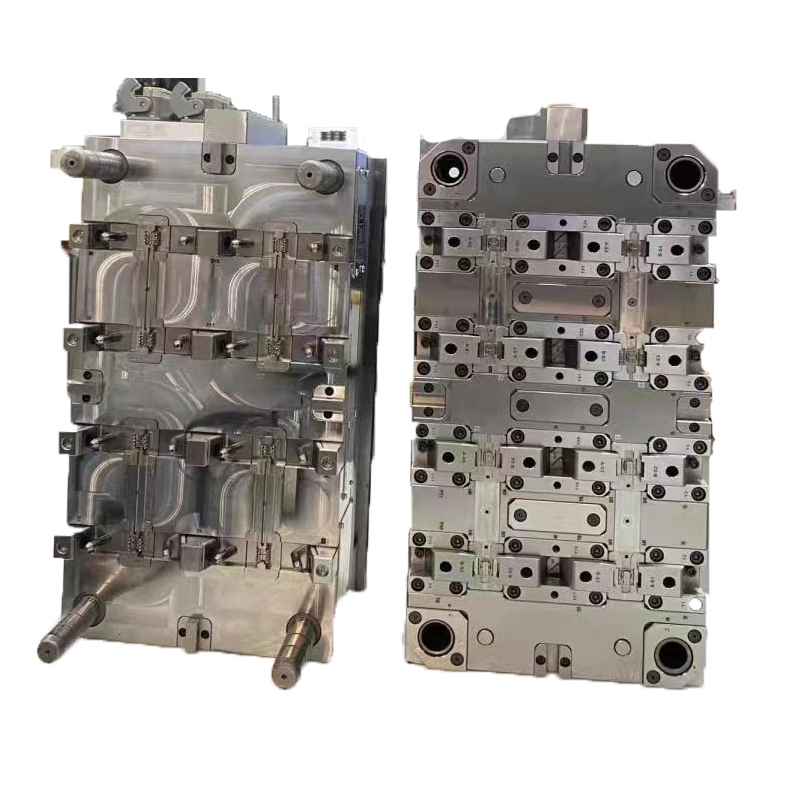
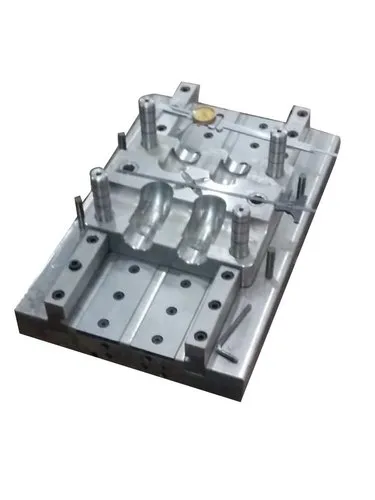
Cleanroom injection moulding is a critical manufacturing process used to produce high-precision medical components under controlled environmental conditions. This method ensures that parts meet stringent hygiene, safety, and regulatory standards required for medical and healthcare applications.
What Is Cleanroom Injection Moulding?
Cleanroom injection moulding involves manufacturing plastic medical components within a cleanroom environment where airborne particles, microorganisms, temperature, and humidity are strictly controlled. Cleanrooms are classified according to ISO standards (such as ISO Class 7 or ISO Class 8), depending on the level of cleanliness required for the medical product.
Importance in Medical Component Manufacturing
Medical components often come into direct or indirect contact with patients, drugs, or bodily fluids. Even minimal contamination can compromise patient safety or product performance. Cleanroom moulding minimizes risks by:
Preventing particulate and microbial contamination
Ensuring consistent product quality
Supporting compliance with medical regulations
Enhancing reliability of critical medical devices
Key Cleanroom Requirements
Cleanroom injection moulding facilities are designed with:
HEPA or ULPA filtration systems to remove airborne particles
Positive air pressure to prevent external contamination
Controlled temperature and humidity for material stability
Strict gowning and personnel protocols
Validated cleaning and maintenance procedures
Materials Used in Cleanroom Moulding
Medical-grade polymers commonly processed in cleanrooms include:
Polypropylene (PP)
Polyethylene (PE)
Polycarbonate (PC)
ABS (medical grade)
Thermoplastic elastomers (TPE)
PEEK and other high-performance polymers
These materials are selected for biocompatibility, chemical resistance, sterilization compatibility, and mechanical performance.
Process Considerations
To ensure defect-free and contamination-free parts, cleanroom injection moulding focuses on:
Optimized mould design to reduce particle generation
Polished mould surfaces for easy cleaning
Enclosed material feeding and handling systems
Automated part ejection and handling to minimize human contact
Regular process validation and monitoring
Typical Medical Components Manufactured
Cleanroom injection moulding is widely used for producing:
Syringes and syringe components
IV connectors and tubing fittings
Catheter parts
Diagnostic device housings
Drug delivery system components
Surgical instrument parts
Implantable and non-implantable device components
Compliance and Standards
Manufacturers operating cleanroom moulding facilities must comply with:
ISO 14644 (Cleanroom standards)
ISO 13485 (Medical device quality management systems)
Good Manufacturing Practices (GMP)
FDA and CE regulatory requirements
Advantages of Cleanroom Injection Moulding
Superior product cleanliness and consistency
Reduced risk of product recalls
Improved patient safety
Capability to meet global medical regulatory standards
Efficient mass production of critical medical components
Conclusion
Cleanroom injection moulding is an essential process for manufacturing high-quality medical components that demand precision, cleanliness, and regulatory compliance. By combining advanced injection moulding technology with controlled cleanroom environments, manufacturers can reliably produce safe, consistent, and compliant medical products for the healthcare industry.