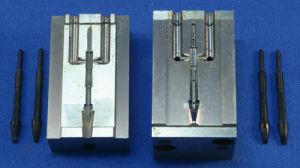
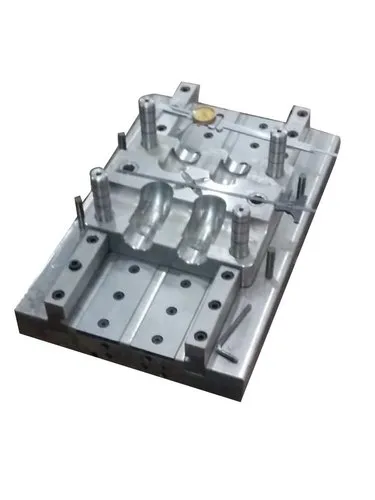
Moulds for pens, pencils, and other writing instruments play a vital role in the stationery and education industry. These products demand high precision, consistent quality, and attractive surface finishes while being produced in very large volumes. Injection moulding is the most widely used process, supported by advanced mould design and manufacturing techniques to meet functional, aesthetic, and cost requirements.
1. Types of Writing Instrument Moulds
Writing instruments consist of multiple plastic components, each requiring specialized moulds:
Pen body and barrel moulds – Long, thin components requiring excellent flow balance and dimensional stability.
Cap moulds – Often include clips, threads, or snap-fit features.
Grip moulds – May require textured or soft-touch surfaces.
Refill holder and internal component moulds – Demand tight tolerances for smooth ink flow and assembly.
Mechanical pencil component moulds – Include gears, sliders, and push mechanisms with high precision.
2. Material Selection
Common plastics used in pen and pencil moulding include:
Polypropylene (PP) – Lightweight, cost-effective, and widely used for pen bodies and caps.
Polystyrene (PS) – Provides good rigidity and surface finish.
ABS – Used for premium pens requiring strength and gloss.
Polycarbonate (PC) – Chosen for transparent or impact-resistant parts.
TPE / Rubber materials – Used for ergonomic grips and soft-touch sections.
Material choice affects mould design, gate location, cooling layout, and expected tool life.
3. Mould Design Considerations
Key design aspects for writing instrument moulds include:
Thin-wall moulding capability to reduce material usage and cycle time.
High-cavity layouts (16, 32, 64 cavities or more) for mass production.
Balanced runner systems to ensure uniform filling across all cavities.
Precise parting lines to avoid visible marks on cosmetic surfaces.
Efficient cooling channels to maintain cycle consistency and dimensional control.
4. Precision and Tolerances
Writing instruments require tight tolerances to ensure:
Proper fit between cap and barrel
Smooth clicking or twisting mechanisms
Leak-free ink refills
Typical tolerances range from ±0.01 mm to ±0.05 mm, especially for functional internal components.
5. Surface Finish and Aesthetics
Surface quality is critical as pens and pencils are consumer-facing products:
Polished cavities for glossy, premium finishes
Textured surfaces for grip and scratch resistance
Laser engraving for logos, branding, and scale markings
Color-matching consistency supported by stable mould temperatures and uniform cooling
6. Ejection and Automation
Due to slender shapes and high output demands:
Sleeve ejectors and stripper plates are commonly used.
Robotic part removal helps prevent deformation and surface damage.
In-mould assembly may be used for multi-component pen designs to reduce post-processing.
7. Quality Control and Durability
Moulds for writing instruments are designed for long production runs:
Use of hardened tool steels (P20, H13, or stainless steel) for durability
Wear-resistant coatings for high-friction areas
Regular maintenance to preserve cavity finish and dimensional accuracy
8. Cost and Productivity Factors
To remain competitive in the stationery market:
Cycle times are optimized for high output
Multi-cavity moulds reduce per-part cost
Standardized mould bases and inserts help lower tooling expenses
Energy-efficient cooling systems improve overall productivity
Conclusion
Moulds for pens, pencils, and writing instruments require a careful balance of precision, durability, aesthetics, and cost efficiency. With high-cavity designs, advanced surface finishing, and optimized moulding processes, manufacturers can achieve consistent quality and high production volumes, meeting the demands of global stationery and education markets.