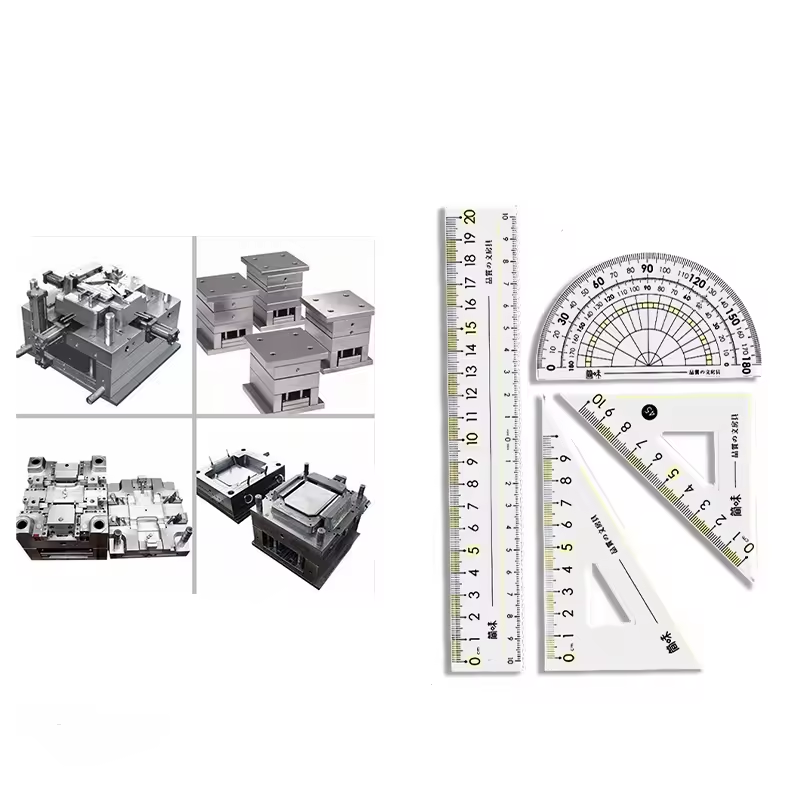
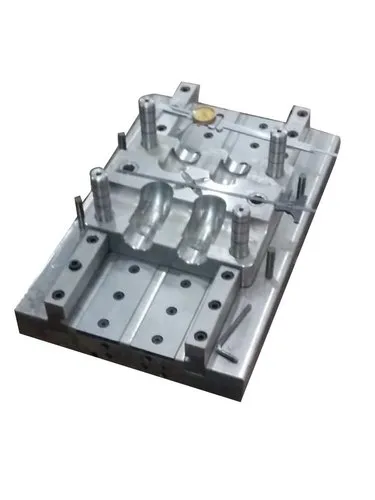
Rulers, geometry boxes, and scales are essential stationery products widely used in schools, offices, and technical institutions. The plastic moulds used to manufacture these products must ensure high dimensional accuracy, durability, and consistent surface quality while enabling cost-effective mass production. Injection mould design plays a critical role in achieving these requirements.
1. Overview of Products
Rulers / Scales: Straight measuring tools with engraved or printed graduations (15 cm, 30 cm, flexible scales, triangular scales).
Geometry Boxes: Sets that include components such as compass, divider, protractor, set squares, eraser, and sharpener, often housed in a plastic case.
Individual Geometry Tools: Protractors, set squares (45°, 60°), compass parts, and scale holders.
Each product type has unique mould design considerations depending on size, thickness, and functional features.
2. Materials Used
Common plastic materials used for ruler and geometry moulds include:
Polystyrene (PS) – Good clarity and stiffness for transparent rulers.
Acrylic (PMMA) – High transparency and scratch resistance.
Polypropylene (PP) – Flexible, impact-resistant, and cost-effective.
ABS – Used for geometry box cases due to strength and durability.
Material selection influences mould steel choice, cooling design, and surface finish.
3. Key Mould Design Considerations
a. Dimensional Accuracy
Precise cavity machining is essential to maintain accurate scale markings.
Minimal shrinkage variation ensures consistent measurement accuracy.
b. Cavity Layout
Long, thin cavities are common for rulers and scales.
Multi-cavity moulds are used for high-volume production of small geometry components.
c. Wall Thickness
Uniform wall thickness prevents warpage and bending.
Thin sections require optimized flow paths and gate locations.
d. Draft Angles
Proper draft (typically 1°–2°) ensures smooth ejection without damaging edges or markings.
4. Markings and Graduation Features
Engraved Markings: Machined directly into the mould cavity for permanent scale lines.
Hot Foil or Pad Printing: Used when fine or colored markings are required.
Laser Etching: Applied for high-precision and premium products.
Moulds must be designed to protect fine engravings from wear over long production cycles.
5. Gate and Runner Design
Edge Gates or Fan Gates: Common for rulers to ensure uniform filling.
Cold Runner Systems: Typically used due to cost efficiency.
Balanced Runners: Essential in multi-cavity geometry tool moulds for consistent part quality.
Proper gate placement minimizes weld lines and flow marks on transparent parts.
6. Cooling System Design
Efficient cooling channels along the length of ruler moulds reduce cycle time.
Uniform cooling prevents bending and residual stress.
Geometry box moulds require localized cooling around thicker sections such as hinges and clasps.
7. Ejection System
Stripper Plates: Often used for long, flat rulers.
Ejector Pins: Placed carefully to avoid visible marks on functional or aesthetic surfaces.
Smooth ejection is critical to avoid deformation of thin parts.
8. Surface Finish and Polishing
High-polish finishes (SPI A2 or A3) are used for transparent rulers.
Matte or textured finishes are preferred for geometry box cases to hide scratches.
Consistent surface quality improves product appearance and usability.
9. Mould Steel Selection
P20 Steel – Suitable for medium-volume production.
H13 or Hardened Steel – Used for high-volume moulds with engraved markings.
Corrosion-resistant steels may be used when processing certain additives or recycled materials.
10. Quality and Production Challenges
Warpage in long rulers due to uneven cooling.
Wear of engraved markings over extended production.
Maintaining clarity and scratch resistance in transparent scales.
Ensuring tight fit and alignment of geometry box lids and hinges.
Proper mould maintenance and process optimization help overcome these challenges.
11. Applications and Market Demand
School and educational supplies
Technical drawing and engineering tools
Promotional and branded stationery
Export-oriented mass production
High-cavity, durable moulds are essential to meet large-scale demand at competitive costs.
12. Conclusion
Ruler, geometry box, and scale moulds require a balance of precision, durability, and efficiency. Careful consideration of material selection, cavity design, marking methods, and cooling systems ensures high-quality products suitable for everyday educational use. Well-designed moulds not only improve product accuracy and aesthetics but also enhance productivity and mould life in high-volume stationery manufacturing.