1. Introduction
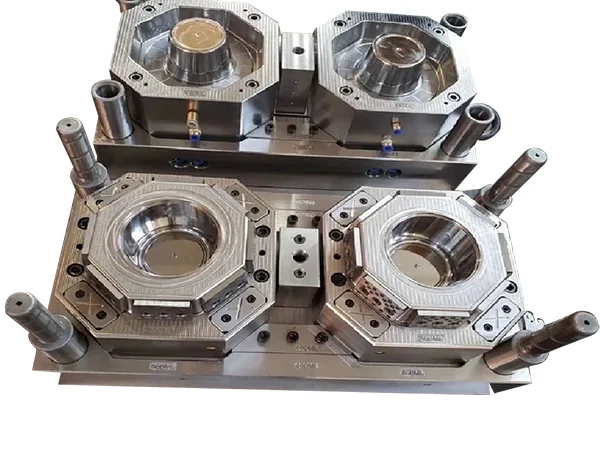
Thin-wall moulding is a specialized injection moulding process used to manufacture cosmetic packaging components with very low wall thicknesses, typically below 1.0 mm. This technology enables the production of lightweight, aesthetically appealing, and cost-effective cosmetic containers while maintaining structural integrity and high-quality surface finishes.
2. Importance in Cosmetic Packaging
The cosmetic industry places strong emphasis on design, sustainability, and cost efficiency. Thin-wall moulding supports these requirements by:
Reducing plastic material consumption
Lowering part weight and transportation costs
Enabling sleek, modern packaging designs
Supporting sustainability and eco-friendly initiatives
Common thin-wall cosmetic products include compact cases, cream jars, mascara tubes, lipstick caps, and bottle closures.
3. Key Design Considerations
a) Wall Thickness Uniformity
Consistent wall thickness is critical to ensure proper filling and minimize warpage.
Typical wall thickness ranges from 0.4 mm to 0.8 mm depending on material and part geometry.
b) Part Geometry and Flow Length
Long flow lengths require optimized gate positioning and balanced flow paths.
Sharp corners are avoided; generous radii improve material flow and strength.
c) Draft Angles
Adequate draft (minimum 1°–2°) ensures easy ejection without damaging thin sections.
Polished surfaces may require additional draft.
d) Rib and Feature Design
Ribs should be thin (40–60% of nominal wall thickness) to avoid sink marks.
Snap-fits and decorative features must be carefully designed to prevent stress concentration.
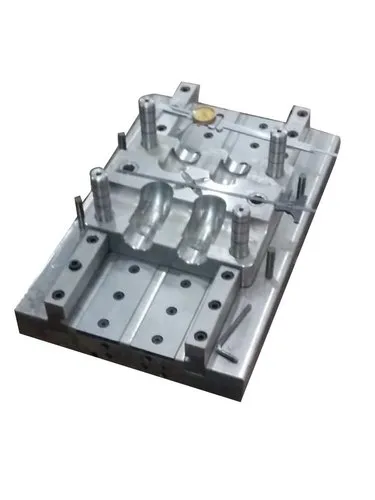
4. Mould Design Requirements
a) High-Precision Tooling
Tight tolerances are required due to minimal wall thickness.
CNC machining and high-speed milling are commonly used.
b) Advanced Gating Systems
Hot runner systems are preferred to reduce pressure loss and material waste.
Valve gates help control flow and improve surface quality.
c) Efficient Cooling Design
Conformal or optimized cooling channels are essential for rapid heat removal.
Uniform cooling prevents warpage and cycle time variation.
d) Venting
Proper venting allows trapped air to escape during high-speed filling.
Micro-vents prevent burn marks and short shots.
5. Material Selection
Materials used for thin-wall cosmetic packaging must combine excellent flowability, strength, and surface finish:
Polypropylene (PP): Lightweight, chemical-resistant, and widely used
Polystyrene (PS): Good clarity and surface finish for premium packaging
ABS: High stiffness and excellent appearance
PET and PETG: Transparency and premium aesthetics
High-flow grades are typically selected to ensure complete cavity filling.
6. Injection Moulding Process Parameters
High injection speed: Required to fill thin sections before material solidifies
High injection pressure: Ensures complete filling of long flow paths
Melt temperature control: Optimized for flow without degrading material
Short cycle times: Achieved through rapid cooling and efficient ejection
Precise process control is essential to maintain consistent part quality.
7. Quality and Aesthetic Requirements
Cosmetic packaging demands exceptional visual appeal:
Glossy, matte, or textured finishes must be defect-free
No flow lines, weld marks, or burn marks should be visible
Tight dimensional control ensures proper assembly and fit
Mirror polishing or fine texturing is often applied to mould surfaces.
8. Challenges in Thin-Wall Moulding
Risk of short shots due to rapid cooling
Higher mould and machine cost requirements
Sensitivity to process variations
Increased wear on mould components
These challenges are addressed through robust mould design, high-performance machines, and strict process monitoring.
9. Advantages of Thin-Wall Moulding in Cosmetics
Material and cost savings
Lightweight yet durable packaging
Faster production cycles
Enhanced design freedom
Improved sustainability profile
10. Conclusion
Thin-wall moulding is a key technology in modern cosmetic packaging manufacturing. By combining advanced mould design, high-flow materials, and precise process control, manufacturers can produce visually appealing, lightweight, and sustainable cosmetic containers that meet both functional and branding requirements.