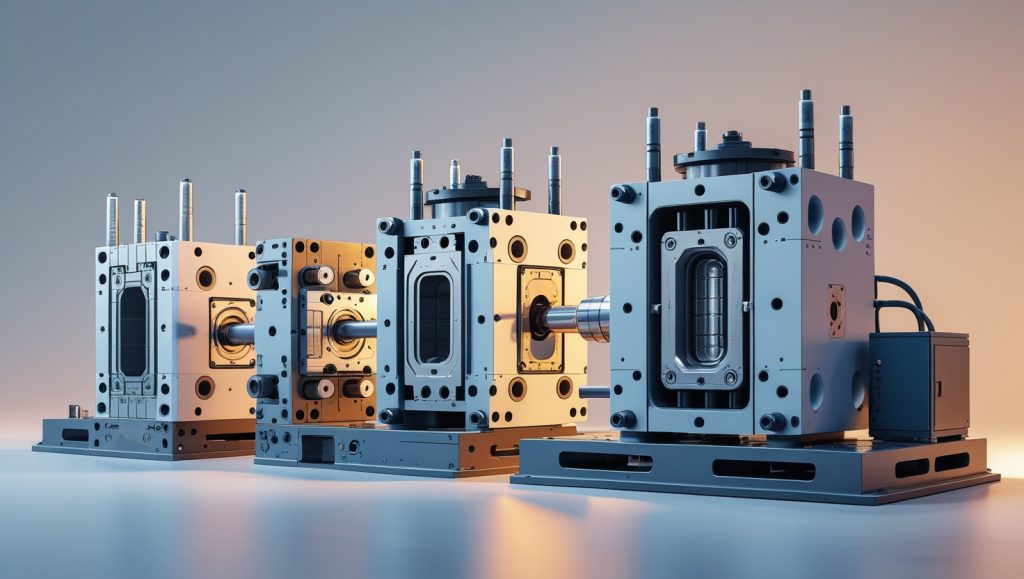
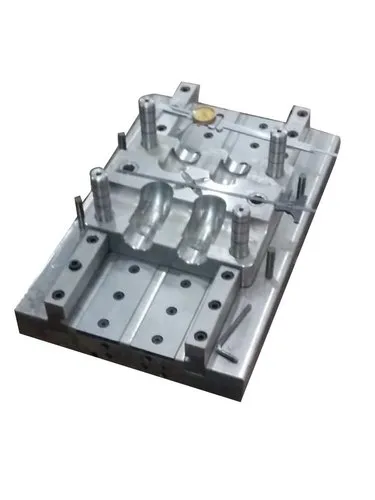
The custom cosmetic mould development process is a structured and highly collaborative approach designed to create precision moulds for cosmetic packaging and components such as lipstick cases, compact boxes, caps, pumps, jars, and bottles. Since cosmetic products demand superior aesthetics, tight tolerances, and consistent quality at high volumes, every stage of mould development must be carefully controlled.
1. Product Concept and Requirement Analysis
The process begins with a clear understanding of the cosmetic brand’s design intent and functional requirements. Key considerations include:
Product aesthetics (shape, texture, gloss, transparency)
Branding elements such as logos and engraving
Material selection (PP, ABS, PET, PMMA, SAN, etc.)
Production volume and target cycle time
Compatibility with filling, assembly, and decoration processes
Regulatory and sustainability requirements
Early collaboration between the brand, product designer, and mould manufacturer helps minimize later modifications.
2. Part Design and DFM (Design for Manufacturability)
Once the concept is finalized, detailed part design is developed using CAD software. Design for Manufacturability (DFM) analysis ensures the part can be moulded efficiently and consistently.
Key DFM aspects include:
Uniform wall thickness to prevent sink marks and warpage
Draft angles for easy ejection and surface protection
Parting line optimization for visual appeal
Rib and boss design for strength without excess material
Gate location to avoid cosmetic defects
DFM approval is a critical milestone before mould design begins.
3. Mold Flow Analysis and Simulation
Mold flow simulation is conducted to predict material behavior during injection moulding. This step helps identify potential issues before steel cutting.
Analysis typically covers:
Flow pattern and filling balance
Weld line and air trap locations
Cooling efficiency and cycle time optimization
Shrinkage and warpage prediction
Pressure and clamp force requirements
Simulation-driven design reduces trial costs and improves first-time-right outcomes.
4. Mould Design Engineering
Based on approved part data and mold flow results, the mould design is created. Cosmetic moulds often require complex engineering to achieve premium surface finishes and dimensional precision.
Design considerations include:
Cavity and core construction
Multi-cavity or family mould layout
Hot runner or cold runner system selection
High-efficiency cooling channels
Venting for flawless surface finish
Ejection system design to prevent marks on visible areas
Special attention is given to mirror-polished or textured surfaces.
5. Tool Steel Selection and Surface Treatment
The choice of mould steel directly affects mould life, surface quality, and maintenance. Common steels include:
P20 and modified P20 for medium-volume cosmetic parts
H13 or 1.2344 for higher durability and temperature resistance
Stainless or corrosion-resistant steels for aggressive materials
Hardened steels for high-gloss and long production runs
Surface treatments such as hard chrome plating, nitriding, or PVD coatings enhance wear resistance and polish retention.
6. Precision Machining and Mould Manufacturing
The mould components are manufactured using high-precision processes such as:
CNC machining
EDM and wire-cut EDM
High-speed milling for detailed contours
Hand polishing and texturing for cosmetic surfaces
Strict quality control is maintained throughout manufacturing to ensure dimensional accuracy and surface integrity.
7. Mould Assembly and Trial (T0 / T1 Sampling)
After assembly, the mould undergoes trial runs to validate its performance. Initial sampling evaluates:
Part appearance and surface quality
Dimensional accuracy and fit
Filling balance and cycle time
Ejection performance
Gate vestige and weld line visibility
Feedback from trials is used to fine-tune the mould for optimal performance.
8. Final Validation and Mass Production Readiness
Once trial samples are approved, the mould is validated for mass production. This stage ensures:
Consistent part quality across cavities
Stable cycle times
Minimal scrap rates
Compatibility with automation and decoration processes
Production documentation and maintenance guidelines are finalized.
9. Ongoing Support and Mould Maintenance
Long-term success depends on proper mould care and continuous improvement. Regular maintenance includes:
Polishing and surface inspection
Cooling channel cleaning
Replacement of wear components
Process optimization for new materials or designs
Well-maintained cosmetic moulds ensure consistent aesthetics and extended tool life.
Conclusion
The custom cosmetic mould development process is a blend of design creativity, engineering precision, and manufacturing excellence. By following a structured, simulation-driven, and quality-focused approach, manufacturers can deliver high-performance cosmetic moulds that meet demanding aesthetic standards, support high-volume production, and strengthen brand identity in a competitive market.