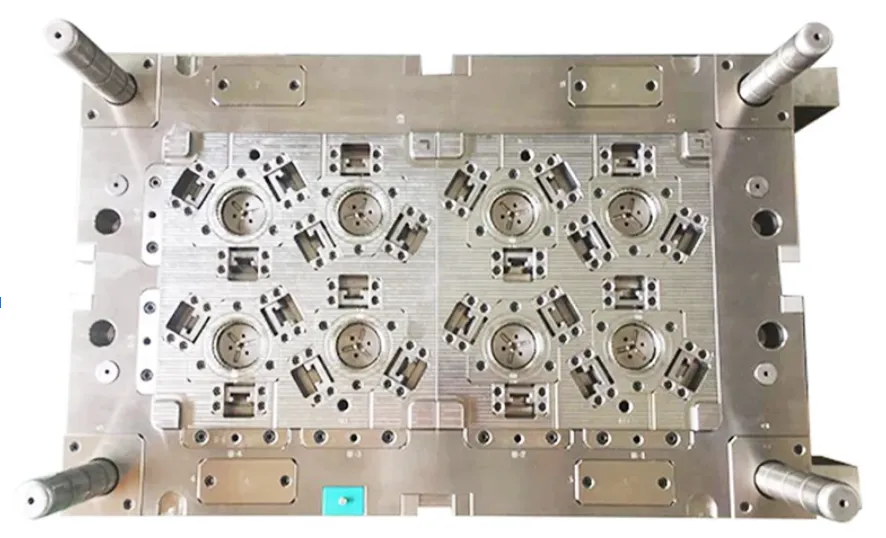
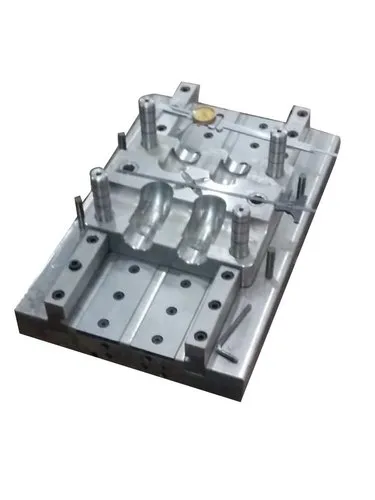
Multi-cavity moulds play a critical role in high-volume medical production, enabling manufacturers to produce large quantities of precision medical components with consistent quality, efficiency, and cost control. These moulds are designed with multiple identical cavities, allowing several parts to be moulded in a single injection cycle—an essential advantage in the medical sector where demand, reliability, and regulatory compliance are paramount.
Importance in Medical Manufacturing
The medical industry relies heavily on mass production of disposable and single-use components such as syringes, connectors, caps, diagnostic housings, and IV components. Multi-cavity moulds help meet these volume requirements while maintaining tight tolerances, repeatability, and traceability required for medical-grade products.
Key Design Considerations
Designing multi-cavity moulds for medical applications requires careful engineering to ensure uniform part quality across all cavities:
Balanced Runner Systems: Ensures equal melt flow to each cavity, minimizing part-to-part variation.
Cavity-to-Cavity Consistency: Precision machining and uniform cooling channels help maintain consistent dimensions and weight.
Tight Tolerances: Medical components often demand micron-level accuracy to meet functional and safety standards.
Venting and Degassing: Proper venting prevents air traps and burn marks, critical for defect-free medical parts.
Ease of Validation: Mould designs must support IQ, OQ, and PQ validation processes.
Material and Tooling Selection
Medical-grade materials such as PP, PE, PC, ABS, and specialty polymers are commonly used. Tool steels selected for multi-cavity medical moulds typically include hardened stainless steels or corrosion-resistant grades to withstand frequent cleaning, sterilization, and high cycle counts. Polished cavity surfaces help prevent contamination and ease part ejection.
Hot Runner Integration
Hot runner systems are often integrated into multi-cavity medical moulds to improve efficiency and reduce material waste. Benefits include:
Elimination of cold runners
Improved cycle times
Consistent melt temperature across all cavities
Reduced risk of contamination
Valve-gated hot runner systems are especially preferred for medical applications due to their precision and clean gating.
Automation and Cleanroom Compatibility
High-volume medical production commonly operates in cleanroom environments. Multi-cavity moulds are designed to be compatible with automation systems such as robotic part removal, in-mould inspection, and conveyor-based handling to minimize human contact and contamination risk.
Quality Control and Regulatory Compliance
Multi-cavity medical moulds must support strict quality control protocols. This includes:
Consistent cavity identification for traceability
Compatibility with in-process inspection systems
Compliance with ISO 13485 and other medical manufacturing standards
Benefits of Multi-Cavity Moulds in Medical Production
High Productivity: Increased output per cycle
Cost Efficiency: Lower cost per part at high volumes
Consistent Quality: Uniform parts across cavities
Scalability: Easily supports growing production demands
Reduced Scrap Rates: Optimized flow and gating systems
Applications
Multi-cavity moulds are widely used for manufacturing:
Syringe barrels and plungers
IV connectors and caps
Diagnostic test components
Catheter fittings
Medical packaging components
Conclusion
Multi-cavity moulds are essential for high-volume medical production, offering the perfect balance of speed, precision, and reliability. With advanced design, high-quality tooling materials, hot runner integration, and automation compatibility, these moulds enable medical manufacturers to meet global demand while maintaining the highest standards of quality, safety, and regulatory compliance.