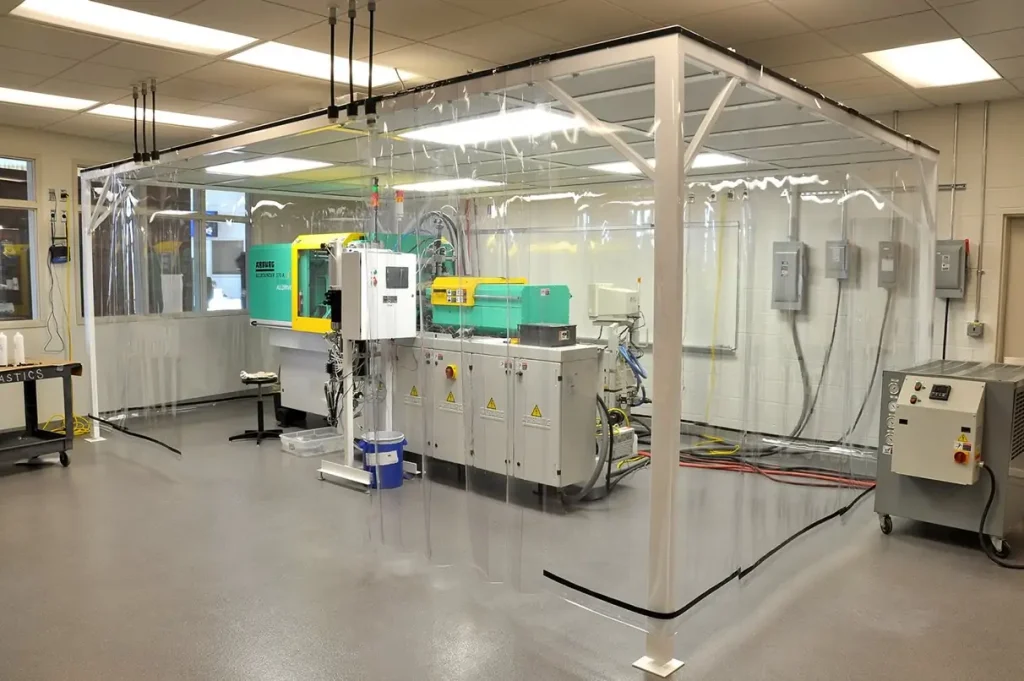
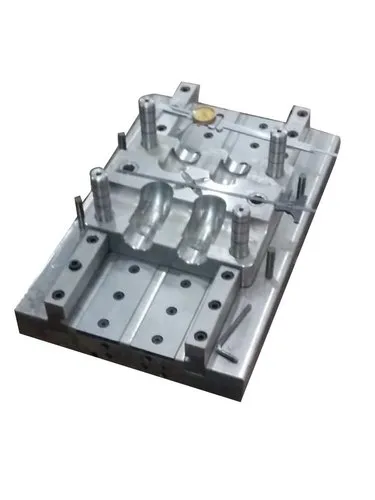
Cosmetic moulding demands high levels of cleanliness and process control to ensure product safety, consistency, and compliance with global cosmetic regulations. Cleanroom environments play a critical role in preventing contamination during the moulding of cosmetic packaging components such as bottles, caps, jars, pumps, and applicators.
Importance of Cleanrooms in Cosmetic Moulding
Cosmetic products come into direct contact with human skin, making hygiene a top priority. Cleanrooms help:
Minimize particulate contamination (dust, fibers, airborne microbes)
Prevent surface defects caused by impurities
Maintain consistent aesthetic quality and finish
Support compliance with cosmetic safety and quality standards
Cleanroom Classification
Cleanrooms for cosmetic moulding are typically designed according to ISO 14644 standards. Common classifications include:
ISO Class 7: Suitable for most cosmetic packaging moulding operations
ISO Class 8: Used for secondary moulding processes or non-critical components
The selected class depends on product sensitivity, packaging design, and customer requirements.
Air Quality and Filtration
Maintaining air purity is essential in cleanroom moulding:
HEPA filters remove ≥99.97% of airborne particles ≥0.3 microns
Positive air pressure prevents ingress of contaminated external air
Controlled air changes per hour (ACH) ensure continuous particle removal
Uniform airflow reduces turbulence and contamination risk
Temperature and Humidity Control
Stable environmental conditions ensure consistent moulding quality:
Temperature typically maintained between 20–24°C
Relative humidity controlled between 40–60%
Prevents condensation, material degradation, and static charge buildup
Improves dimensional accuracy and surface finish
Personnel and Gowning Protocols
Human presence is a major source of contamination:
Restricted access to authorized personnel only
Mandatory cleanroom garments such as coveralls, gloves, masks, and shoe covers
Defined gowning procedures to reduce particle generation
Regular training on cleanroom behavior and hygiene practices
Equipment and Material Handling
Cleanroom-compatible equipment is essential:
Injection moulding machines designed for low particle emission
Smooth, easy-to-clean surfaces for moulds and auxiliary equipment
Dedicated zones for raw material handling and finished part storage
Use of sealed containers to prevent contamination during transfer
Cleaning and Maintenance Procedures
Routine cleaning maintains cleanroom integrity:
Scheduled cleaning using approved, non-linting materials
Validated cleaning agents compatible with cosmetic standards
Regular monitoring of particle counts and microbial levels
Preventive maintenance of HVAC and filtration systems
Quality Control and Compliance
Cleanroom moulding supports stringent quality requirements:
Visual inspection under controlled lighting
Traceability of materials, moulds, and production batches
Documentation of cleanroom conditions and monitoring data
Alignment with GMP and cosmetic regulatory guidelines
Benefits of Cleanroom Cosmetic Moulding
Enhanced product safety and consumer trust
Superior surface finish and defect reduction
Reduced rejection rates and rework
Improved brand image and regulatory confidence
Conclusion
Cleanroom requirements are essential for cosmetic moulding operations aiming for high-quality, contamination-free packaging. By integrating controlled environments, trained personnel, and robust monitoring systems, manufacturers can consistently deliver cosmetic components that meet both aesthetic and regulatory expectations.