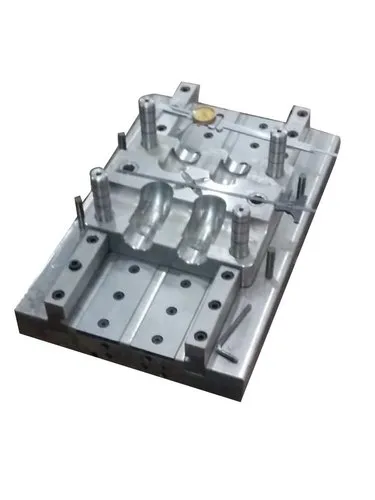
Selecting the right tool steel is a critical factor in ensuring the durability, precision, and cost-effectiveness of stationery and education moulds. Products such as pens, rulers, pencil boxes, sharpeners, erasers, geometry boxes, and school accessories are typically produced in high volumes, making mould longevity and consistent quality essential.
Key Requirements for Stationery & Education Moulds
Stationery moulds must meet specific performance demands, including:
High wear resistance to withstand long production cycles
Excellent polishability for smooth surface finish and aesthetic appeal
Good machinability to allow precise detailing and faster mould manufacturing
Dimensional stability for consistent part quality across large batches
Cost efficiency due to competitive mass-market production
Commonly Used Tool Steels
1. P20 Tool Steel
P20 is widely used for stationery moulds due to its balanced properties and affordability.
Pre-hardened steel suitable for medium to high production volumes
Good machinability and polishability
Ideal for pencil boxes, rulers, pen bodies, and school accessories
2. H13 Tool Steel
H13 is preferred for moulds exposed to higher temperatures or demanding production conditions.
Excellent thermal fatigue resistance
High toughness and wear resistance
Suitable for multi-cavity moulds and thin-wall stationery components
3. S136 / 420 Stainless Tool Steel
For products requiring superior surface finish or corrosion resistance, stainless tool steels are recommended.
Excellent corrosion resistance, especially for humid environments
High polishability for transparent or glossy stationery parts
Commonly used for clear rulers, premium pen components, and cosmetic-grade school products
4. SKD61 / DIN 1.2344
This hot-work steel is suitable for high-precision and long-life moulds.
High strength at elevated temperatures
Good resistance to cracking and deformation
Used for high-output education product moulds with tight tolerances
5. Aluminum Alloys (Prototype & Low-Volume)
While not tool steel, aluminum is sometimes used for early development.
Fast machining and lower initial cost
Suitable for prototyping and limited production runs
Not recommended for long-term mass production
Factors Influencing Tool Steel Choice
The final steel selection depends on:
Production volume and cycle time
Type of plastic material (PP, ABS, PS, PVC, etc.)
Surface finish requirements (matte, textured, mirror finish)
Budget constraints and mould lifespan expectations
Benefits of Proper Tool Steel Selection
Longer mould life with reduced maintenance
Consistent product quality across large volumes
Improved production efficiency and reduced downtime
Lower overall tooling cost over the mould’s lifecycle
Conclusion
Tool steel selection plays a vital role in the performance and profitability of stationery and education moulds. By choosing the appropriate steel grade based on production needs, material type, and finish requirements, manufacturers can achieve high-quality output, extended mould life, and cost-effective mass production—essential for the competitive stationery and education products market.