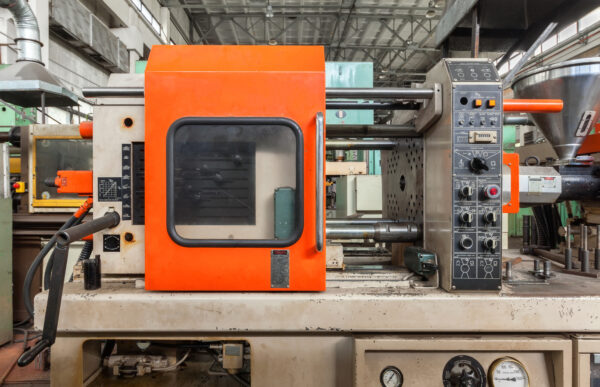
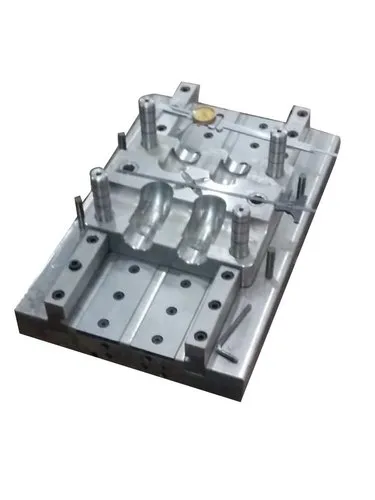
Mould maintenance and life cycle management are critical to ensuring consistent product quality, maximizing mould lifespan, and reducing unplanned downtime in injection moulding operations. A structured approach to maintenance not only protects the investment in high-value tooling but also supports long-term production efficiency and cost control.
Importance of Mould Maintenance
Injection moulds operate under high pressure, temperature, and repetitive cycles, making them susceptible to wear, corrosion, and mechanical fatigue. Regular maintenance helps:
Maintain dimensional accuracy and surface finish of moulded parts
Prevent flash, short shots, and other quality defects
Reduce breakdowns and emergency repairs
Extend the overall service life of the mould
Proactive maintenance ensures stable production and minimizes costly interruptions.
Types of Mould Maintenance
Effective mould care typically involves multiple maintenance levels:
Preventive Maintenance
Scheduled at defined shot counts or production intervals, preventive maintenance includes cleaning cavities, checking cooling channels, lubricating moving parts, and inspecting wear-prone components. This approach helps detect issues before they escalate.
Predictive Maintenance
By monitoring mould performance parameters such as cycle time, temperature variations, and part quality trends, predictive maintenance allows early identification of potential failures. Data-driven insights help plan maintenance activities more efficiently.
Corrective Maintenance
This involves repairing or replacing damaged components such as cores, cavities, ejector pins, or sliders after wear or failure. While sometimes unavoidable, corrective maintenance should be minimized through strong preventive practices.
Key Maintenance Activities
Cleaning mould cavities, runners, and vents to prevent material buildup
Inspecting cooling systems for blockages, leaks, or corrosion
Checking alignment of mould halves and parting lines
Lubricating slides, lifters, ejector systems, and guide pillars
Replacing worn seals, springs, and fasteners
Verifying surface coatings and corrosion protection
Proper documentation of each maintenance activity is essential for traceability and future planning.
Mould Life Cycle Stages
Mould life cycle management covers the entire lifespan of the tool:
Design and Manufacturing
High-quality design, material selection, and precision machining lay the foundation for long mould life. Design for maintenance (easy access to wear parts) significantly reduces future downtime.
Production and Operation
During production, consistent process parameters and correct handling of the mould prevent premature wear. Regular inspections during this phase are vital.
Maintenance and Refurbishment
Periodic refurbishment—such as polishing cavities, re-coating surfaces, or upgrading components—can restore mould performance and extend usable life.
End-of-Life and Replacement
When a mould reaches the end of its economical life, life cycle data helps determine whether refurbishment, redesign, or replacement is the best option.
Benefits of Effective Life Cycle Management
Lower total cost of ownership of moulds
Improved part quality and production consistency
Reduced downtime and maintenance costs
Better planning for tool refurbishment or replacement
Enhanced return on investment for tooling assets
Best Practices
Establish standardized maintenance schedules based on shot counts
Maintain detailed mould history and service records
Train operators and maintenance staff on proper handling procedures
Use corrosion protection during storage and transportation
Integrate maintenance planning with production scheduling
Conclusion
Mould maintenance and life cycle management are essential for sustaining productivity and quality in injection moulding operations. By adopting a systematic maintenance strategy and monitoring mould performance throughout its life cycle, manufacturers can extend tool life, optimize production efficiency, and achieve long-term operational reliability.