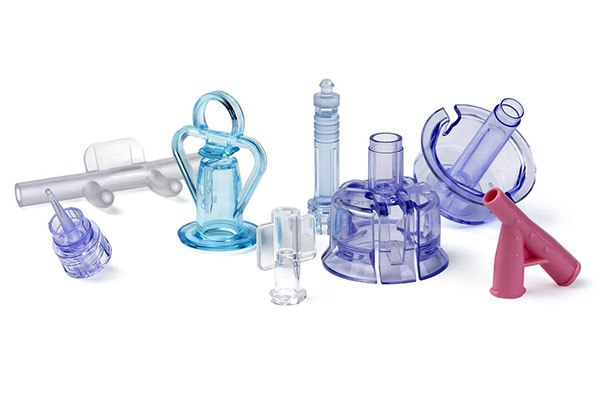
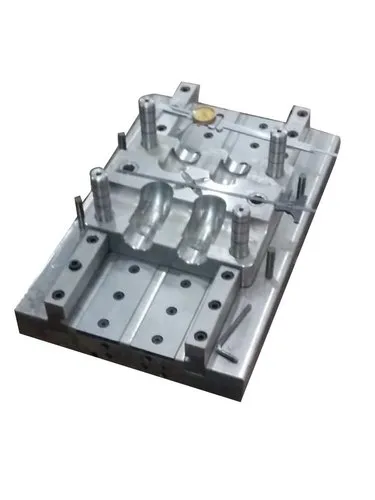
Sterilization compatibility is a critical consideration in the design and manufacture of medical moulded parts. Medical components must withstand repeated or single-use sterilization processes without compromising their mechanical properties, dimensional stability, appearance, or biocompatibility. Selecting the right materials, mould design, and processing parameters ensures product safety, regulatory compliance, and long-term performance.
Importance of Sterilization Compatibility
Medical moulded parts are commonly used in devices and consumables that come into direct or indirect contact with patients. Incompatible materials or poorly designed moulded components may degrade, discolor, warp, or leach substances during sterilization, leading to device failure or safety risks. Ensuring sterilization compatibility helps maintain functionality, sterility assurance, and patient safety throughout the product lifecycle.
Common Sterilization Methods and Their Impact
Steam Sterilization (Autoclave)
This method uses high temperature and pressure. Materials must withstand heat (typically 121–134°C) and moisture without deformation or loss of strength. Heat-resistant polymers such as PPSU, PSU, PEEK, and certain grades of polypropylene are commonly used.
Ethylene Oxide (EtO) Sterilization
EtO is suitable for heat-sensitive components and complex geometries. Materials must resist gas absorption and outgassing while maintaining mechanical integrity. Many medical-grade thermoplastics, including polyethylene, polypropylene, ABS, and polycarbonate, are compatible with EtO.
Gamma and Electron Beam (E-Beam) Sterilization
These radiation-based methods can cause polymer chain scission or discoloration. Materials must be radiation-stable to prevent embrittlement or loss of performance. Polypropylene, polyethylene, polystyrene, and specially stabilized medical-grade polymers are widely used for radiation sterilization.
Chemical Sterilization (Hydrogen Peroxide, Peracetic Acid)
These low-temperature methods require resistance to chemical attack and surface degradation. Material selection and surface finish play a key role in maintaining part integrity.
Material Selection Considerations
Choosing the right resin is fundamental to sterilization compatibility. Key factors include:
Heat and chemical resistance
Radiation stability
Mechanical strength retention after sterilization
Biocompatibility and compliance with medical standards (USP Class VI, ISO 10993)
Medical-grade polymers are often formulated with stabilizers to enhance resistance to specific sterilization processes.
Mould Design and Processing Factors
Proper mould design supports sterilization performance by:
Ensuring uniform wall thickness to minimize warping
Avoiding stress concentration areas that may crack during sterilization
Maintaining smooth surface finishes to reduce contamination and facilitate cleaning
Controlling moulding parameters to minimize internal stresses
Well-controlled processing helps parts retain their shape and function after sterilization cycles.
Validation and Testing
Sterilization compatibility must be validated through rigorous testing, including:
Dimensional and visual inspection after sterilization
Mechanical property testing before and after exposure
Accelerated aging and repeated sterilization cycle testing
These evaluations confirm that the moulded parts meet regulatory and performance requirements throughout their intended use.
Conclusion
Sterilization compatibility is a key factor in the success of medical moulded parts. By carefully selecting materials, optimizing mould design, and validating performance under real sterilization conditions, manufacturers can ensure safe, reliable, and compliant medical products. A well-engineered approach to sterilization compatibility ultimately supports patient safety, product longevity, and regulatory approval.