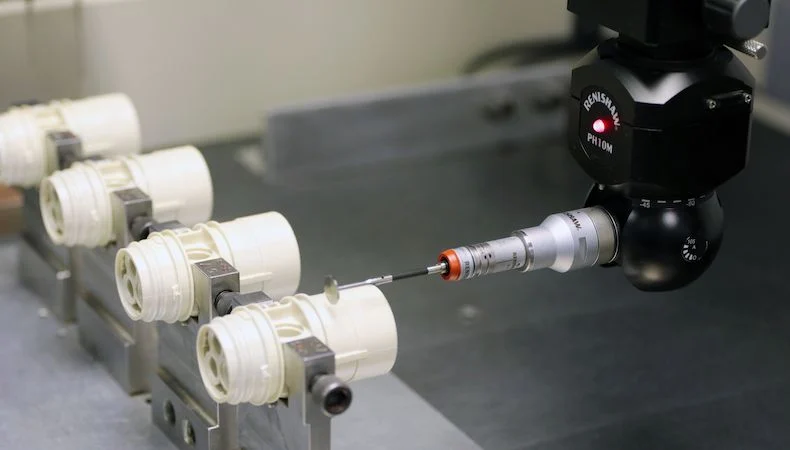
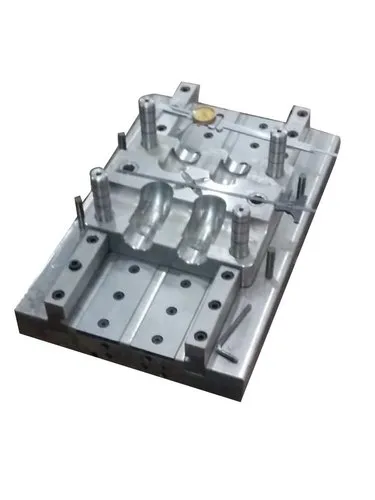
Quality control (QC) and inspection are critical in the manufacturing of medical moulds due to the strict regulatory requirements and the need for high precision, safety, and consistency. Medical moulds are used to produce components such as syringes, IV parts, diagnostic devices, and surgical instruments—where even minor defects can lead to serious consequences. Below is a comprehensive overview of QC and inspection techniques used in this field.
1. Importance of Quality Control in Medical Moulds
Medical moulds must comply with stringent standards such as ISO 13485 and FDA regulations. Quality control ensures:
- High dimensional accuracy
- Surface finish integrity
- Biocompatibility compliance
- Repeatability in mass production
- Contamination-free production
2. Incoming Material Inspection
Before manufacturing begins, raw materials (tool steels, inserts, coatings) are inspected for:
- Chemical composition verification
- Hardness testing (Rockwell hardness)
- Microstructure analysis
- Certification validation from suppliers
Advanced methods like spectroscopy and ultrasonic testing are often used.
3. In-Process Quality Control
During mould manufacturing, continuous monitoring ensures deviations are detected early:
a. CNC Machining Inspection
- Use of in-machine probing systems
- Verification of dimensions during milling and turning
b. Electrode and EDM Inspection
- Checking electrode wear
- Spark erosion accuracy validation
c. Tolerance Verification
- Maintaining tight tolerances (±0.005 mm or better)
- Use of precision gauges and fixtures
4. Dimensional Inspection Techniques
Accurate measurement is vital in medical moulds:
a. Coordinate Measuring Machine (CMM)
- High-precision 3D measurement
- Suitable for complex geometries
- Ensures cavity/core accuracy
b. Optical Measurement Systems
- Non-contact inspection using vision systems
- Ideal for micro-components and delicate surfaces
c. Laser Scanning
- Rapid surface profiling
- Comparison with CAD models for deviation analysis
5. Surface Finish and Texture Inspection
Medical parts require superior surface quality:
- Surface roughness testers (Ra measurement)
- Visual inspection under magnification
- Polishing quality checks (mirror finish for medical parts)
6. Mold Flow and Simulation Validation
Before production, mould designs are validated using simulation tools such as Moldflow:
- Predicts flow patterns, air traps, and weld lines
- Optimizes gate location and cooling channels
- Reduces defects like warpage and shrinkage
7. Trial Runs and Sample Inspection (First Article Inspection – FAI)
Initial production samples undergo rigorous testing:
- Dimensional verification against drawings
- Functional testing of moulded parts
- Visual defect inspection (flash, sink marks, short shots)
Documentation of FAI is essential for approval before mass production.
8. Cleanroom Inspection Standards
Medical moulds often operate in cleanroom environments:
- Controlled particle levels (ISO Class 7 or 8)
- Use of lint-free gloves and contamination control
- Inspection under clean conditions to prevent defects
9. Non-Destructive Testing (NDT)
Ensures mould integrity without damage:
- Dye penetrant testing for surface cracks
- Ultrasonic testing for internal defects
- Magnetic particle inspection for ferrous materials
10. Documentation and Traceability
Traceability is mandatory in medical mould manufacturing:
- Batch and material traceability records
- Inspection reports and calibration logs
- Compliance documentation aligned with Good Manufacturing Practice
11. Maintenance and Periodic Inspection
Regular maintenance ensures consistent performance:
- Preventive maintenance schedules
- Wear and tear inspection of cavities and cores
- Lubrication and alignment checks
- Lifecycle tracking of moulds
12. Advanced Quality Techniques
a. Statistical Process Control (SPC)
- Monitoring production trends
- Early detection of variations
b. Six Sigma Methodology
- Reducing defects and improving quality
- Data-driven decision-making
c. Automation and AI-based Inspection
- Vision systems for real-time defect detection
- Automated rejection systems
Conclusion
Quality control and inspection techniques for medical moulds are essential to ensure safety, precision, and regulatory compliance. By integrating advanced measurement technologies, strict documentation practices, and continuous monitoring systems, manufacturers can achieve high-quality, defect-free moulds suitable for critical medical applications.