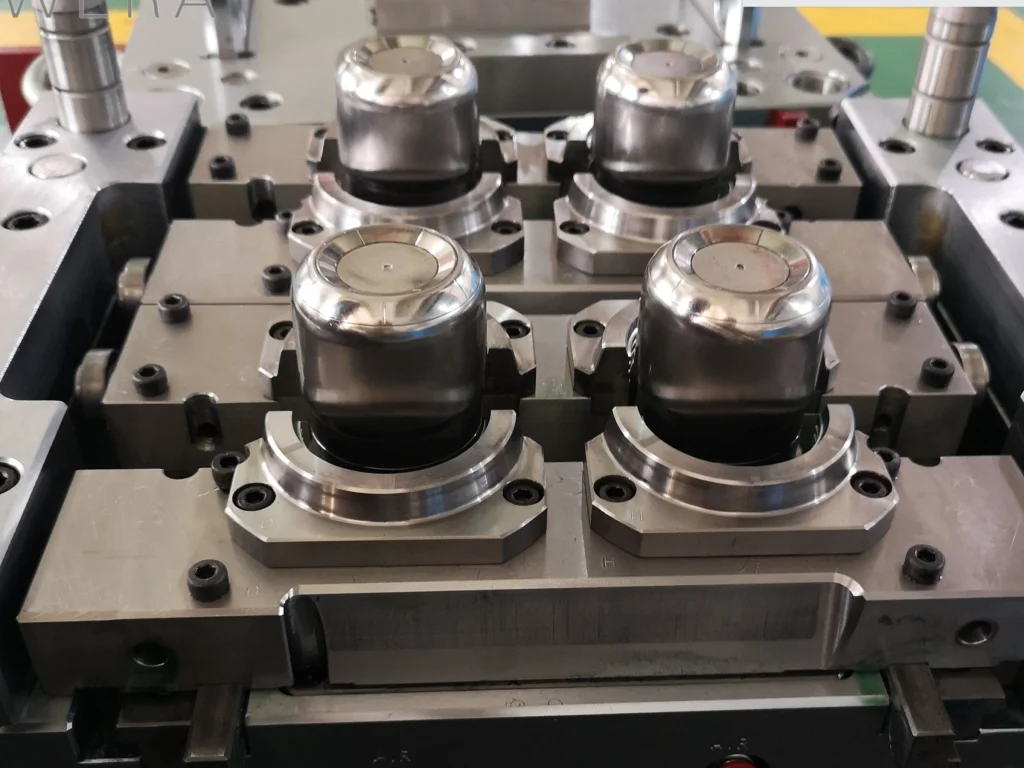
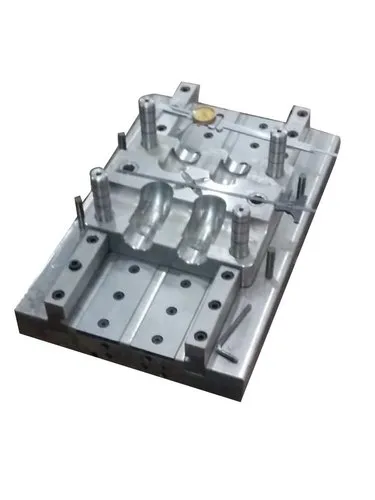
Cosmetic packaging components demand exceptionally high aesthetic standards, as visual appearance directly influences brand perception and consumer trust. Even minor surface imperfections can lead to product rejection. Therefore, understanding aesthetic defects and implementing strict quality control (QC) measures is critical in cosmetic mould manufacturing.
Common Aesthetic Defects in Cosmetic Moulded Parts
1. Flow Lines and Weld Marks
Flow lines appear as streaks or patterns caused by uneven plastic flow, while weld marks occur where two flow fronts meet.
Causes: Poor gate design, improper melt temperature, or low injection speed
Impact: Visible lines on bottles, caps, and compact cases reduce premium appeal
2. Sink Marks and Surface Depressions
Localized shrinkage results in shallow depressions on the part surface.
Causes: Inconsistent wall thickness, insufficient packing pressure, or poor cooling design
Impact: Distorted appearance, especially noticeable on flat or glossy surfaces
3. Gloss Variation and Dull Patches
Uneven surface gloss affects the uniform look of cosmetic packaging.
Causes: Inconsistent mould polishing, uneven cooling, or material contamination
Impact: Mismatch in finish across multiple cavities or production batches
4. Black Spots and Contamination Marks
Small dark specks embedded in the moulded part.
Causes: Degraded resin, trapped dust, or inadequate mould cleaning
Impact: Immediate rejection due to visible defects in transparent or light-colored parts
5. Scratch Marks and Drag Lines
Linear marks formed during part ejection.
Causes: Improper draft angles, worn ejector pins, or rough mould surfaces
Impact: Reduced visual quality and higher rejection rates
6. Air Traps and Burn Marks
Trapped air ignites due to high temperature and pressure.
Causes: Poor venting, excessive injection speed
Impact: Darkened areas or burns, especially at thin sections or corners
Quality Control Measures in Cosmetic Mould Manufacturing
Precision Mould Design and Engineering
Optimized gate locations to ensure balanced flow
Uniform wall thickness to minimize shrinkage and sink marks
Proper venting design to eliminate air traps
High-Quality Tool Steel and Surface Finishing
Use of premium mould steels (P20, 1.2738, H13) for stability and polishability
Mirror polishing (SPI A-1/A-2) for glossy cosmetic components
Texturing control to maintain consistent surface appearance
Process Parameter Control
Strict monitoring of melt temperature, injection pressure, and cooling time
Scientific moulding techniques to ensure repeatability
Controlled clamp force to prevent flash and surface distortion
In-Process and Final Inspection
100% visual inspection for Class A cosmetic surfaces
Use of magnification tools for micro-defect detection
Gloss meters and color matching systems for uniformity verification
Cleanroom and Contamination Control
Cleanroom moulding for high-end cosmetic packaging
Regular mould maintenance and cleaning schedules
Controlled handling to prevent dust and foreign particles
Role of Mold Flow Analysis in Reducing Aesthetic Defects
Mold flow simulation helps predict flow lines, weld marks, air traps, and sink marks before tool manufacturing. Early identification allows design optimization, reducing trial runs and ensuring superior surface aesthetics.
Importance of Consistent Quality in Cosmetic Packaging
Cosmetic brands rely heavily on flawless packaging to communicate luxury, hygiene, and reliability. Robust QC systems in cosmetic moulds ensure:
Reduced rejection and rework costs
Consistent appearance across high-volume production
Compliance with global cosmetic packaging standards
Conclusion
Aesthetic defects in cosmetic moulded parts can significantly affect product value and market acceptance. Through advanced mould design, superior surface finishing, controlled processing, and rigorous quality inspection, manufacturers can achieve defect-free, visually appealing cosmetic components that meet the expectations of premium brands.