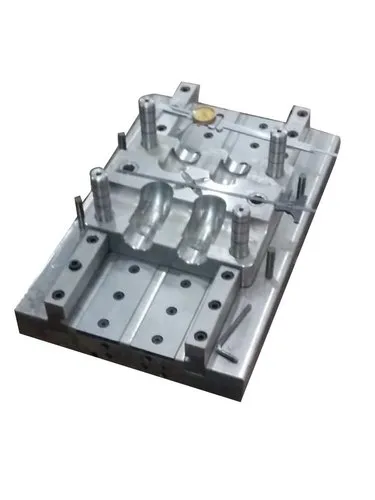
Automation has become a transformative force in cosmetic mould manufacturing, enabling higher precision, faster production cycles, and consistent product quality. With increasing demand for aesthetically appealing and high-volume cosmetic packaging such as lipstick cases, cream jars, compact cases, and bottles, manufacturers are adopting advanced automation technologies to stay competitive.
1. Role of Automation in Modern Manufacturing
Automation integrates computer-controlled systems, robotics, and intelligent software into the mould manufacturing process. It reduces manual intervention, minimizes errors, and enhances repeatability—critical factors in producing high-precision cosmetic moulds.
2. Key Automated Technologies Used
a. CNC Machining (Computer Numerical Control)
CNC machines ensure accurate cutting, shaping, and finishing of mould components. They operate with minimal human input and deliver consistent results, especially for complex cosmetic designs.
b. CAD/CAM Integration
Computer-Aided Design (CAD) and Computer-Aided Manufacturing (CAM) streamline the transition from design to production. Designers can create intricate mould geometries, which are directly executed by machines.
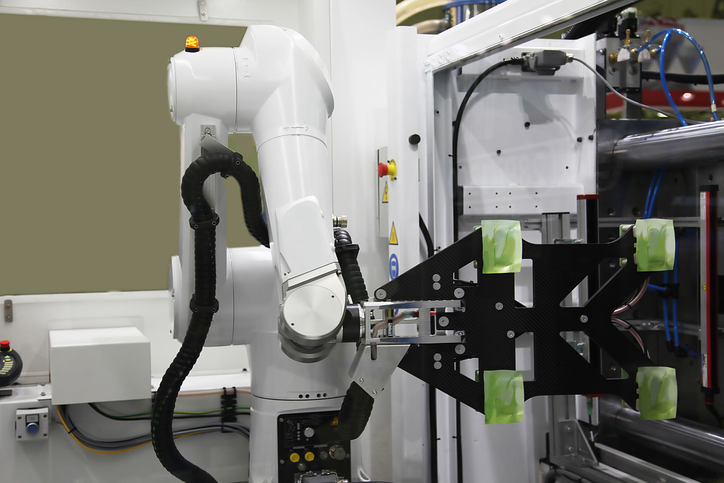
c. Robotic Systems
Robots are used for material handling, mould assembly, polishing, and inspection. They improve efficiency and reduce production time while maintaining safety.
d. EDM (Electrical Discharge Machining)
Automated EDM systems are widely used for creating intricate cavities and fine details required in cosmetic moulds, ensuring high precision and smooth finishes.
e. Injection Moulding Automation
Automated injection moulding machines with sensors and control systems regulate temperature, pressure, and cycle time, ensuring consistent output quality.
3. Benefits of Automation
- Enhanced Precision: Ensures tight tolerances and high-quality finishes required in cosmetic products.
- Increased Productivity: Faster production cycles and reduced downtime.
- Consistency & Repeatability: Uniform mould quality across large production volumes.
- Cost Efficiency: Lower labor costs and reduced material wastage.
- Improved Safety: Minimizes human involvement in hazardous operations.
4. Quality Control and Inspection
Automation also plays a vital role in quality assurance. Advanced inspection tools such as Coordinate Measuring Machines (CMM) and vision inspection systems automatically detect defects, ensuring every mould meets strict industry standards.
5. Smart Manufacturing and Industry 4.0
The adoption of Industry 4.0 technologies, such as IoT-enabled machines and real-time data monitoring, allows manufacturers to optimize operations. Predictive maintenance, data analytics, and remote monitoring enhance machine efficiency and reduce unexpected breakdowns.
6. Challenges in Automation
Despite its advantages, automation requires high initial investment and skilled personnel to operate and maintain advanced systems. Small manufacturers may face challenges in adopting fully automated solutions.
7. Future Trends
- Integration of Artificial Intelligence (AI) for process optimization
- Use of 3D printing for rapid prototyping of moulds
- Increased use of collaborative robots (cobots)
- Fully automated smart factories with minimal human intervention
Conclusion
Automation in cosmetic mould manufacturing is no longer optional but essential for achieving precision, efficiency, and scalability. As technology continues to evolve, manufacturers embracing automation will be better positioned to meet the growing demands of the cosmetic industry while maintaining high standards of quality and innovation.