Other

Eco-Friendly Injection Molding Machine Innovations

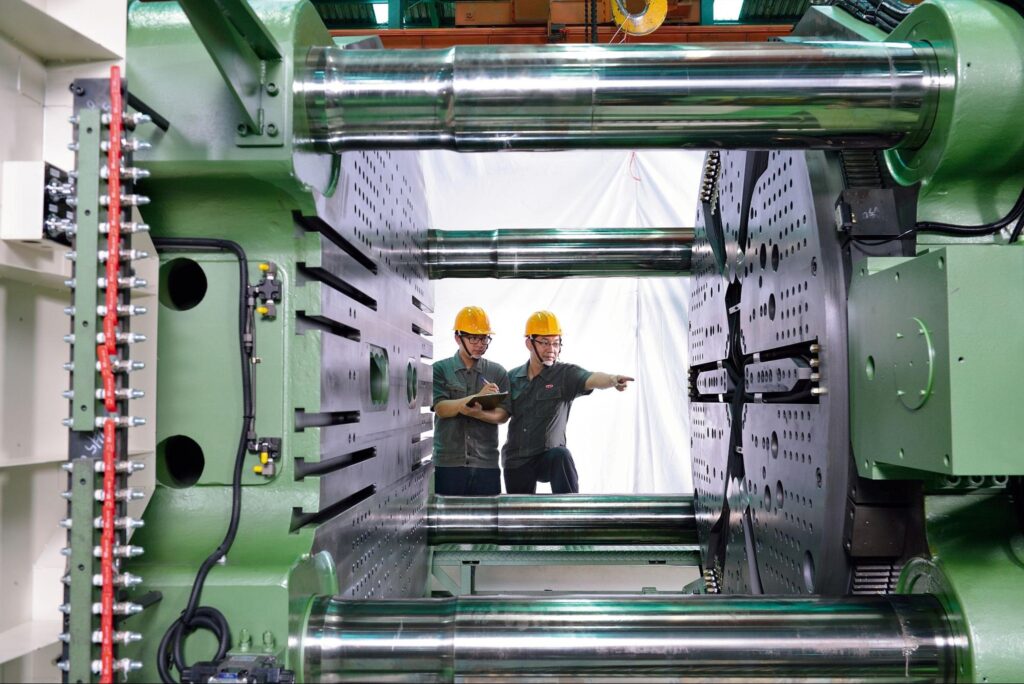
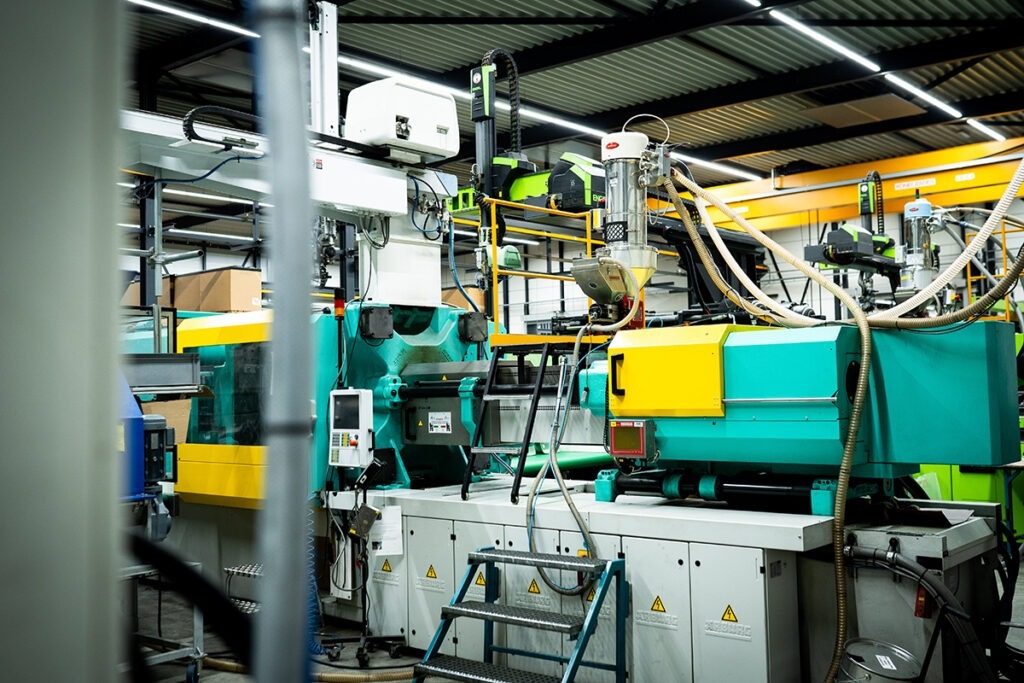
Injection molding has long been a cornerstone of plastic manufacturing, producing everything from automotive parts to consumer electronics. However, the environmental impact of traditional injection molding—particularly energy consumption, emissions, and plastic waste—has prompted the industry to explore more sustainable solutions. This has led to the emergence of several eco-friendly innovations in injection molding machines. Below […]

Eco-Friendly Injection Molding Machine Innovations Read More »
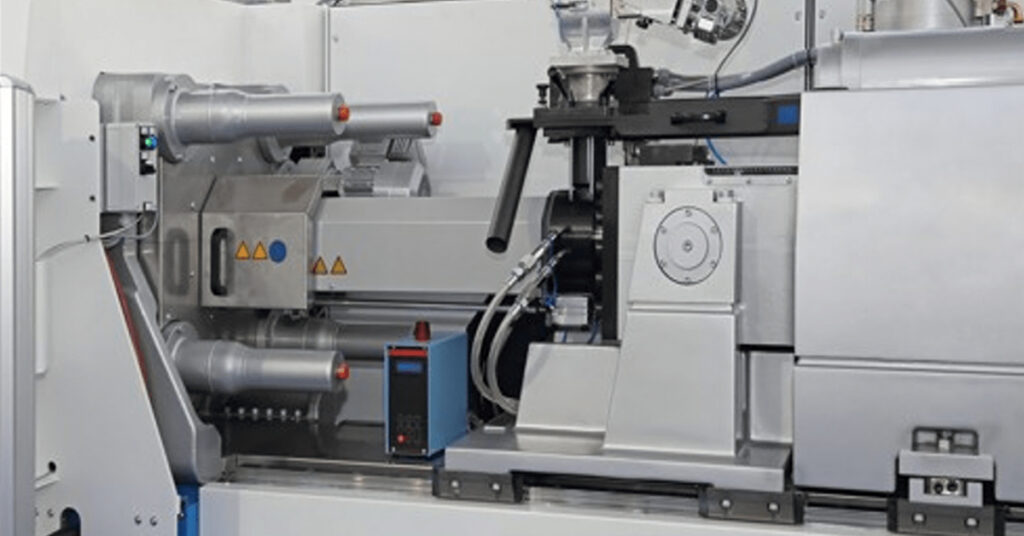
Digital Twin Technology for Automotive Mold Design

The automotive industry is undergoing a rapid digital transformation, and one of the most groundbreaking technologies driving this change is Digital Twin. In the realm of automotive mold design, Digital Twin technology is redefining how manufacturers conceptualize, simulate, validate, and refine mold designs, leading to faster production cycles, higher precision, and reduced costs.What is Digital

Digital Twin Technology for Automotive Mold Design Read More »

Predictive Maintenance for PVC Molding Machines

PVC molding machines are crucial assets in industries such as automotive, construction, and consumer goods, where polyvinyl chloride (PVC) components are manufactured. Ensuring these machines operate efficiently with minimal downtime is critical for productivity and profitability. Predictive maintenance (PdM) offers a modern, data-driven approach to equipment upkeep, going beyond traditional preventive maintenance by anticipating failures

Predictive Maintenance for PVC Molding Machines Read More »

Carbon Footprint Reduction in Injection Molding

Injection molding is a widely used manufacturing process for producing plastic components in various industries such as automotive, medical, electronics, and consumer goods. However, the process can be energy-intensive and contribute significantly to greenhouse gas emissions. Reducing the carbon footprint of injection molding is critical for achieving sustainability goals and regulatory compliance. 1. Understanding Carbon

Carbon Footprint Reduction in Injection Molding Read More »

AI and Machine Learning in Automotive Molding

The automotive industry is undergoing a profound transformation, driven by the rapid advancement of technologies such as Artificial Intelligence (AI) and Machine Learning (ML). In particular, the integration of these technologies in automotive molding—a critical manufacturing process for producing components like bumpers, dashboards, and interior trims—is revolutionizing production efficiency, quality control, and product innovation. 1.

AI and Machine Learning in Automotive Molding Read More »

Robotic Assistance in PVC Mold Handling

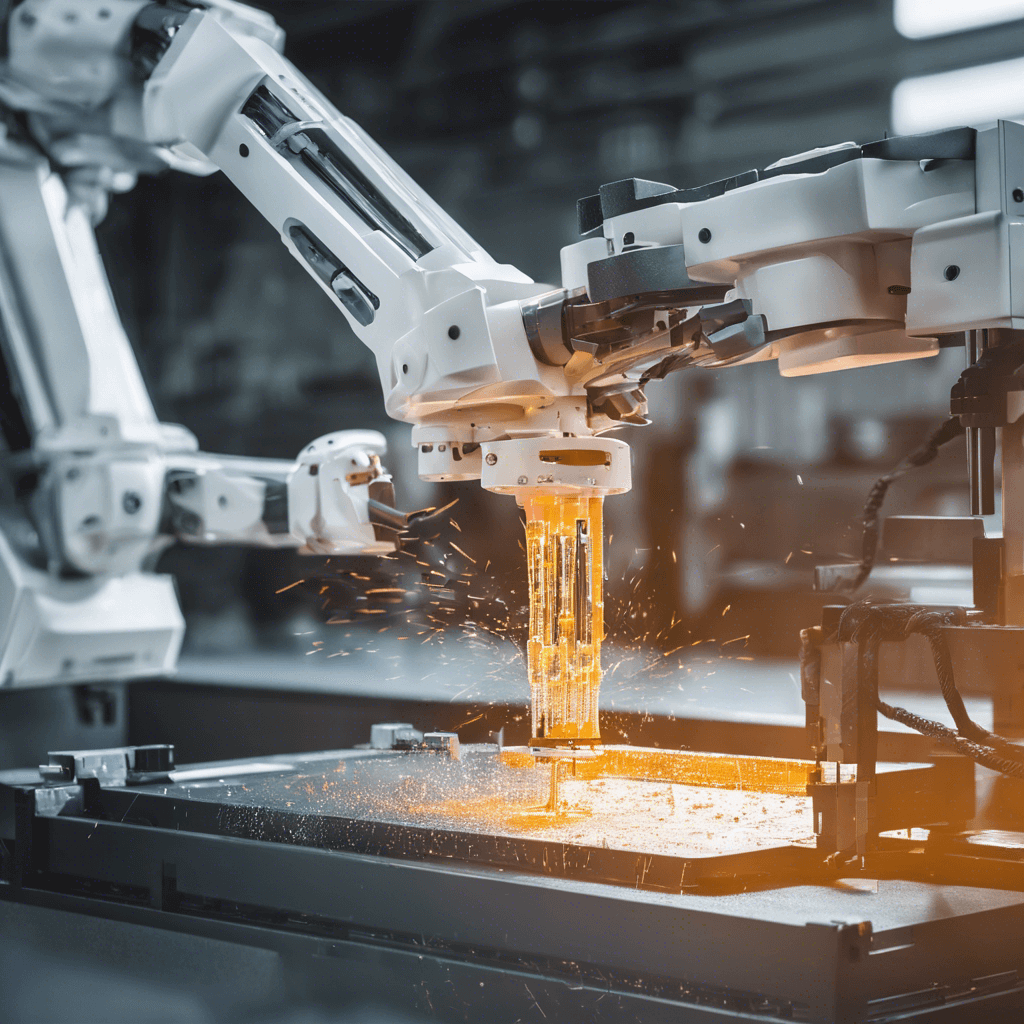
Polyvinyl Chloride (PVC) molding is a critical process in industries such as automotive, construction, and consumer goods manufacturing. The handling of PVC molds—often heavy, complex, and hot—requires precision, safety, and consistency. Robotic assistance in this domain offers significant improvements in productivity, safety, and quality. Challenges in Manual PVC Mold Handling High Temperature: Molds can reach

Robotic Assistance in PVC Mold Handling Read More »

Predictive Maintenance for Injection Molds

Injection molds are a critical component in the manufacturing of plastic parts. Their performance directly affects product quality, production efficiency, and operational costs. Traditional maintenance strategies—reactive and preventive—are either too late or too frequent, leading to unplanned downtimes or excessive maintenance. Predictive maintenance (PdM) offers a data-driven approach to optimize mold maintenance, reduce costs, and

Predictive Maintenance for Injection Molds Read More »

Resin Transfer Molding (RTM) for Automotive Components

Resin Transfer Molding (RTM) is a closed-mold composite manufacturing process used to produce high-strength, lightweight parts with complex shapes. It involves placing dry fiber reinforcements (typically glass or carbon fibers) into a mold, then injecting liquid resin under pressure to impregnate the fibers. The mold is then heated to cure the resin, forming a solid

Resin Transfer Molding (RTM) for Automotive Components Read More »

Digital Twin for PVC Mold Flow Simulation

A Digital Twin is a virtual replica of a physical system that enables real-time monitoring, simulation, and analysis. In the field of polymer processing, particularly PVC (Polyvinyl Chloride) molding, digital twins offer a powerful tool for optimizing mold design, predicting material behavior, and reducing production defects. Mold flow simulation models the movement of molten PVC

Digital Twin for PVC Mold Flow Simulation Read More »

IoT and Smart Sensors in Injection Molding Machines

Injection molding is a crucial manufacturing process used to produce complex plastic components with high precision and repeatability. The integration of Internet of Things (IoT) technology and smart sensors is revolutionizing the injection molding industry by enhancing machine performance, improving product quality, reducing downtime, and enabling predictive maintenance. 1. Role of IoT in Injection Molding

IoT and Smart Sensors in Injection Molding Machines Read More »

Scroll to Top