Other

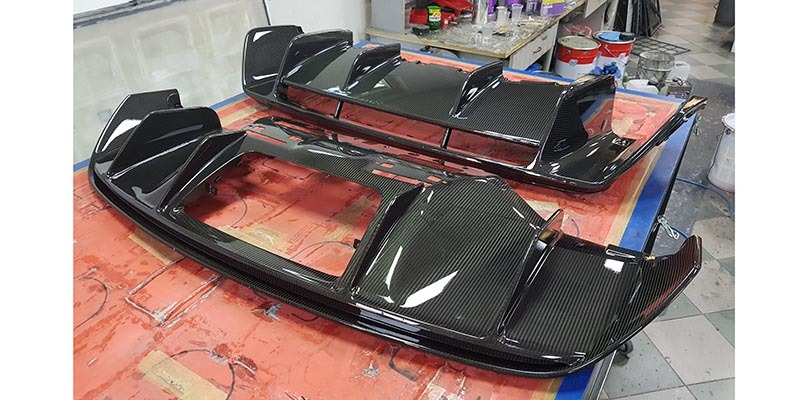
Carbon Fiber Molding in Automotive Manufacturing

Carbon fiber molding is a critical technology in modern automotive manufacturing, primarily used to produce lightweight, high-strength components. Carbon fiber–reinforced polymer (CFRP) composites offer an excellent strength-to-weight ratio, corrosion resistance, and design flexibility, making them highly desirable for both high-performance sports cars and increasingly for mass-market vehicles seeking improved fuel efficiency and reduced emissions. What […]

Carbon Fiber Molding in Automotive Manufacturing Read More »
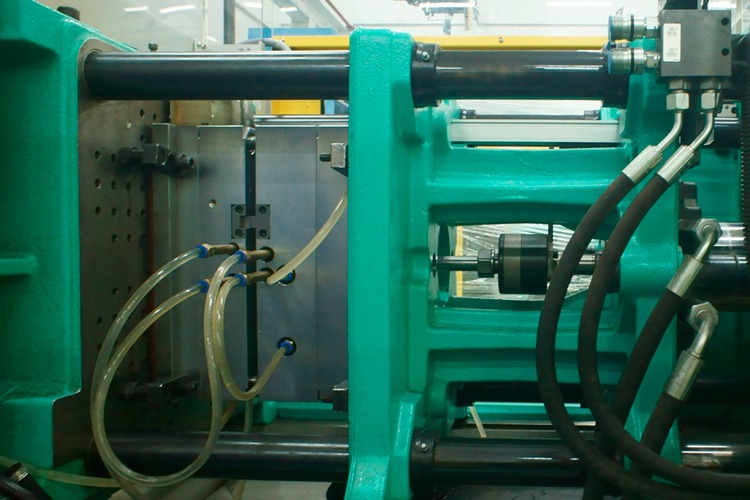
AI-Driven Optimization in PVC Injection Molding

PVC (Polyvinyl Chloride) injection molding is a widely used manufacturing process for producing durable plastic parts with complex geometries. However, it involves multiple variables—temperature, pressure, cooling time, injection speed, etc.—that must be precisely controlled to ensure consistent product quality. Traditional methods of process control often rely on trial and error or static parameters, which can

AI-Driven Optimization in PVC Injection Molding Read More »

Robotic Assistance in Injection Molding Factories

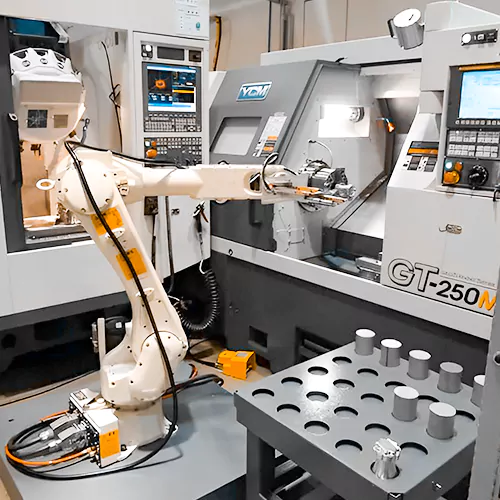
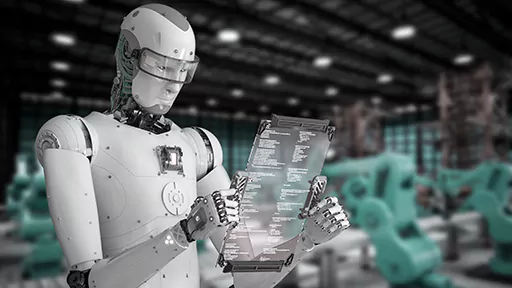
Injection molding is a manufacturing process widely used for producing plastic parts in large volumes. It involves injecting molten material into a mold to form desired shapes. To improve efficiency, precision, and safety, many factories are now integrating robotic assistance into their injection molding operations. Role of Robots in Injection Molding Robots play various critical

Robotic Assistance in Injection Molding Factories Read More »

Lightweight Polymer Molds for Cars

The automotive industry continually evolves to meet the demands for fuel efficiency, sustainability, and cost reduction. One effective strategy is the use of lightweight polymer molds in the manufacturing of vehicle components. These molds not only streamline production but also help reduce the overall weight of vehicles, contributing to improved fuel efficiency and lower emissions.

Lightweight Polymer Molds for Cars Read More »

Smart Molding Technologies for PVC Production

Polyvinyl Chloride (PVC) is a widely used thermoplastic polymer in industries ranging from construction and automotive to healthcare and electronics. The production of PVC components often involves molding processes such as injection molding, extrusion molding, and compression molding. Smart molding technologies are transforming these traditional processes by integrating automation, real-time monitoring, and advanced control systems,

Smart Molding Technologies for PVC Production Read More »

Digital Twin for Injection Molding Optimization

Injection molding is a critical manufacturing process used to produce high-precision plastic parts. However, it involves numerous variables such as temperature, pressure, material flow, and cooling time, which need to be precisely controlled for quality and efficiency. A Digital Twin offers a powerful solution for optimizing this complex process. What is a Digital Twin? A

Digital Twin for Injection Molding Optimization Read More »

Hybrid Molding Techniques for Automotive Parts

Hybrid molding techniques are advanced manufacturing methods that combine different molding processes or materials to produce automotive components with enhanced performance, reduced weight, and improved cost efficiency. These techniques are increasingly adopted by the automotive industry to meet stringent regulatory demands for fuel efficiency, emissions, and safety while maintaining high aesthetic and functional standards. 1.

Hybrid Molding Techniques for Automotive Parts Read More »

Custom PVC Blends for Specialized Molding Needs

Polyvinyl Chloride (PVC) is one of the most versatile thermoplastics used across numerous industries, from automotive to healthcare. While standard PVC formulations serve many applications, certain environments and product requirements demand enhanced performance characteristics that only custom blends can offer. Custom PVC blends are tailored formulations designed to meet specific processing, functional, and regulatory needs

Custom PVC Blends for Specialized Molding Needs Read More »

AI and Machine Learning in Injection Molding

Injection molding is a widely used manufacturing process for producing plastic parts by injecting molten material into a mold. As manufacturing technologies advance, integrating Artificial Intelligence (AI) and Machine Learning (ML) into injection molding is revolutionizing how parts are designed, produced, and optimized. 1. Role of AI and ML in Injection Molding AI and ML

AI and Machine Learning in Injection Molding Read More »

Next-Generation Automotive Mold Materials

The automotive industry is rapidly evolving, driven by the demand for lightweight, fuel-efficient, and high-performance vehicles. As part of this transformation, the materials used in manufacturing molds—critical components in forming and shaping automotive parts—are also undergoing significant innovation. Next-generation automotive mold materials are designed to enhance performance, reduce costs, and meet stringent sustainability and regulatory

Next-Generation Automotive Mold Materials Read More »

Scroll to Top