Other

Impact-Resistant PVC Molding for Heavy-Duty Applications

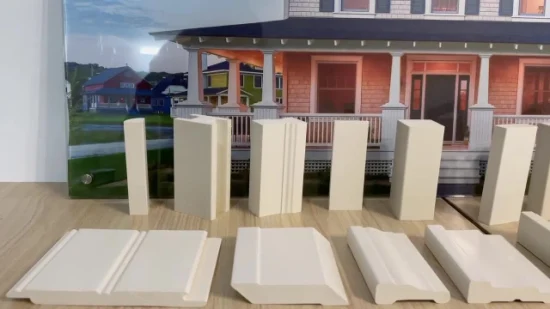
In demanding industrial and commercial environments, material durability is paramount. Impact-resistant PVC (polyvinyl chloride) molding has emerged as a preferred solution for heavy-duty applications that require superior mechanical strength, chemical resistance, and long-term durability. What Is Impact-Resistant PVC Molding? Impact-resistant PVC molding refers to specially formulated PVC profiles designed to withstand significant physical stress and […]

Impact-Resistant PVC Molding for Heavy-Duty Applications Read More »

Injection Molding Surface Finishing Techniques

Injection molding surface finishing techniques refer to processes applied to mold surfaces or molded parts to achieve desired textures, appearances, or functional properties. These finishes can range from smooth, mirror-like surfaces to intricate textures that enhance grip, aesthetics, or functionality. 1. Purpose of Surface Finishing Aesthetic Appeal: Enhances the look and feel of the final

Injection Molding Surface Finishing Techniques Read More »

Material & Process-Specific Keywords

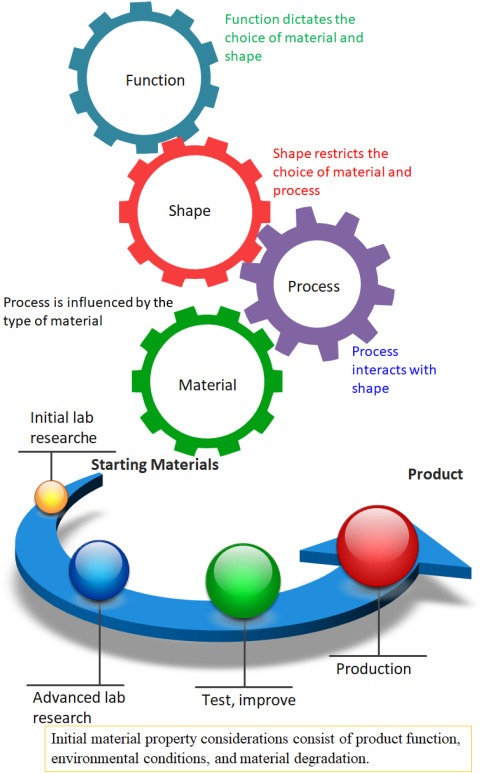
Material & Process-Specific Keywords refer to terms that are directly associated with particular materials (like metals, polymers, ceramics) and manufacturing or processing techniques (such as welding, casting, machining, or additive manufacturing). These keywords are critical in industries like manufacturing, engineering, product development, and supply chain management for documentation, research, and digital visibility. 1. Importance of

Material & Process-Specific Keywords Read More »

Fire-Retardant PVC in Molding

Polyvinyl Chloride (PVC) is a widely used thermoplastic polymer known for its durability, chemical resistance, and versatility. In applications where fire safety is a priority—such as in electrical enclosures, construction materials, and automotive parts—standard PVC is often modified to be fire-retardant. Fire-retardant PVC (FR-PVC) offers enhanced flame resistance while maintaining the advantageous properties of conventional

Fire-Retardant PVC in Molding Read More »

Impact-Resistant Plastics in Injection Molding

Impact-resistant plastics are materials engineered to absorb and dissipate energy upon impact without cracking or breaking. In injection molding, these plastics are essential for manufacturing durable, high-performance parts used in applications that demand mechanical strength and resistance to physical stress. Importance in Injection Molding Injection molding is widely used for producing complex plastic parts at

Impact-Resistant Plastics in Injection Molding Read More »

Automotive Mold Lifecycle Management

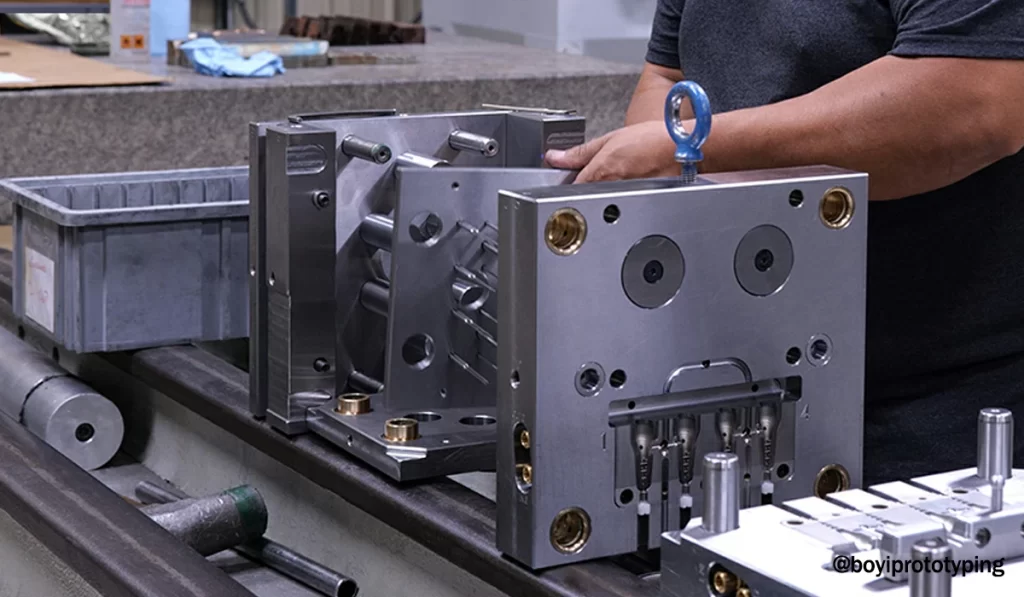
Automotive Mold Lifecycle Management (MLM) refers to the systematic process of managing the entire lifecycle of molds used in automotive manufacturing. Molds are critical tools for producing plastic, metal, and composite components in high volumes with consistent quality. Effective MLM ensures reduced downtime, extended mold life, improved product quality, and optimized production costs. 1. Mold

Automotive Mold Lifecycle Management Read More »

UV-Resistant PVC for Outdoor Molding Applications

Polyvinyl Chloride (PVC) is one of the most widely used thermoplastics across industries due to its excellent chemical resistance, durability, and ease of fabrication. However, traditional PVC can degrade over time when exposed to ultraviolet (UV) radiation, leading to discoloration, brittleness, and loss of mechanical properties. To combat this, UV-resistant PVC formulations have been developed,

UV-Resistant PVC for Outdoor Molding Applications Read More »

Injection Molding with Recycled Polymers

Injection molding is one of the most widely used manufacturing processes for producing plastic parts in high volumes. With the growing emphasis on sustainability and environmental responsibility, the use of recycled polymers in injection molding has become increasingly significant. Recycled polymers offer an eco-friendly alternative to virgin plastics, contributing to circular economy initiatives and reducing

Injection Molding with Recycled Polymers Read More »

Smart Molding Technologies for Automobiles

The automotive industry is undergoing rapid transformation, driven by demands for higher performance, sustainability, safety, and cost-efficiency. One area seeing significant innovation is molding technology—particularly with the integration of smart manufacturing principles. Smart molding refers to the use of advanced materials, real-time monitoring, data analytics, and automation in the molding process to enhance quality, reduce

Smart Molding Technologies for Automobiles Read More »

Low-Temperature PVC Molding Techniques

Polyvinyl chloride (PVC) is a versatile thermoplastic polymer widely used in a variety of manufacturing processes due to its excellent chemical resistance, durability, and affordability. However, traditional PVC molding typically requires high processing temperatures, which can limit its applications, especially in heat-sensitive environments or with heat-sensitive additives. Low-temperature PVC molding techniques aim to overcome these

Low-Temperature PVC Molding Techniques Read More »

Scroll to Top