Other

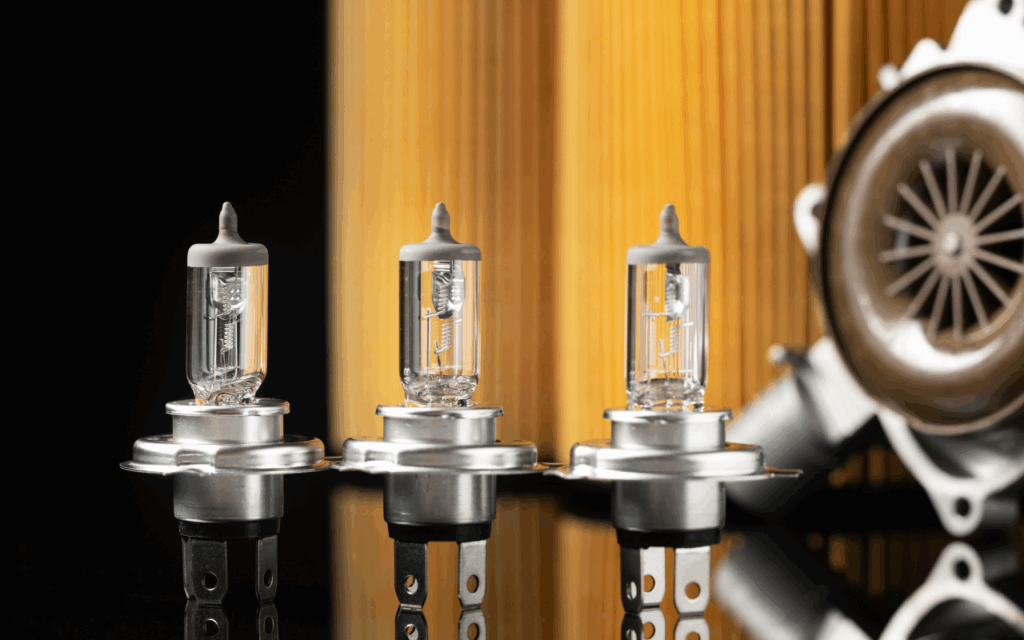
Future Trends in Automotive Molding with Industry 4.0

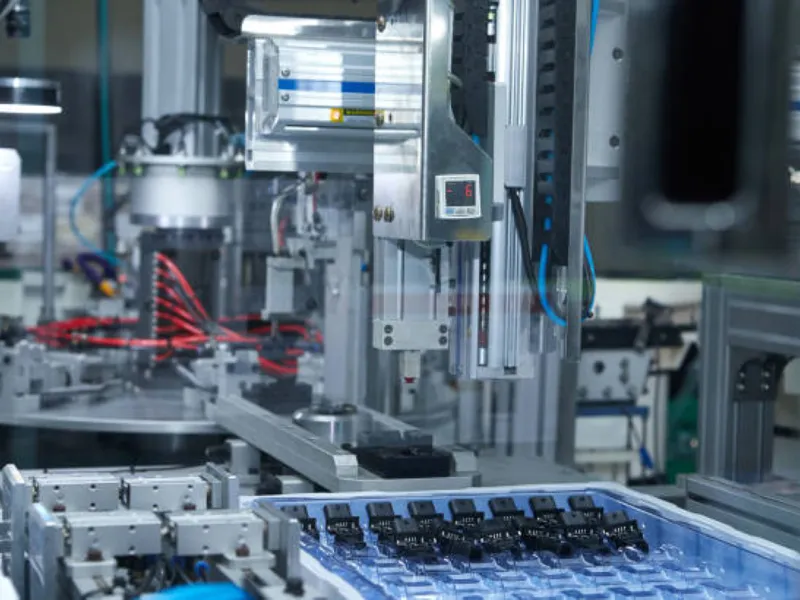
The automotive industry is undergoing a significant transformation driven by Industry 4.0, which is characterized by the integration of smart technologies, data analytics, and automation into manufacturing processes. Automotive molding—a critical component of vehicle production—is no exception. As vehicle designs become more complex and demand for customization increases, molding technologies are evolving to meet the […]

Future Trends in Automotive Molding with Industry 4.0 Read More »
Advanced PVC Molding Technologies

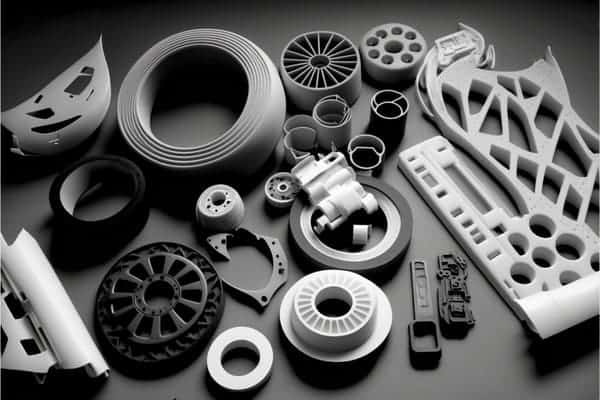
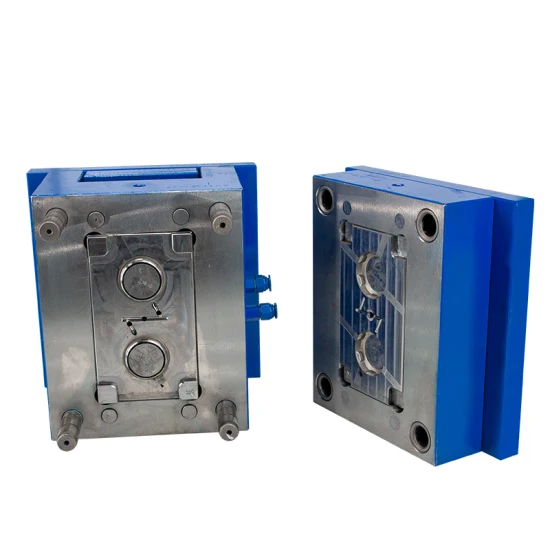
Polyvinyl Chloride (PVC) is a widely used thermoplastic polymer known for its durability, chemical resistance, and versatility. With advances in molding technologies, manufacturers can now produce more complex, precise, and high-performance PVC parts across industries such as automotive, healthcare, construction, and consumer goods. Advanced PVC molding technologies include innovations in equipment, materials, process optimization, and

Advanced PVC Molding Technologies Read More »

Advanced Manufacturing Techniques in Injection Molding

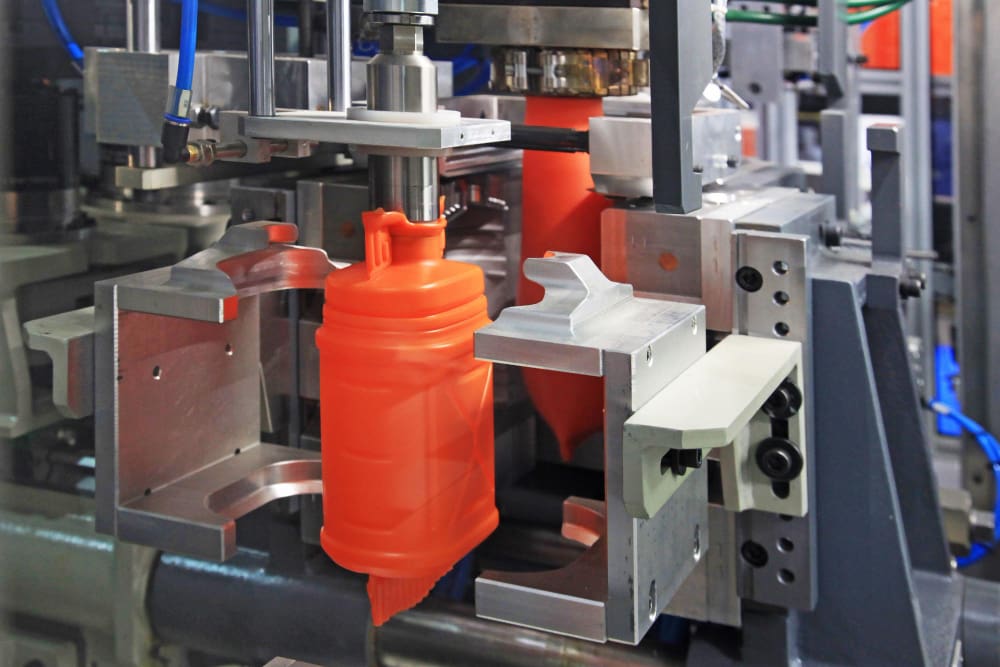
Injection molding has long been a cornerstone of mass production for plastic components due to its efficiency, repeatability, and ability to produce complex geometries. However, as industry demands continue to evolve, so too do the manufacturing techniques associated with it. Advanced manufacturing techniques in injection molding are enhancing precision, speed, sustainability, and design freedom. These

Advanced Manufacturing Techniques in Injection Molding Read More »

Standards and Certifications in Automotive Molding

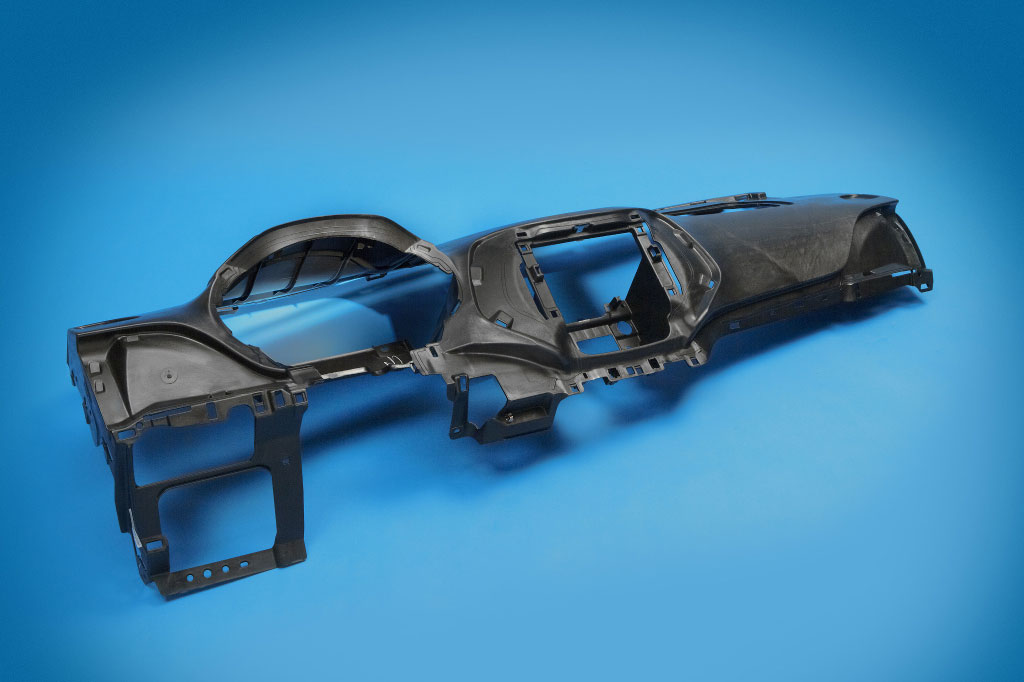
Automotive molding, which includes the manufacture of components such as bumpers, trims, dashboards, and sealing systems, plays a crucial role in vehicle aesthetics, safety, and performance. To ensure consistent quality, safety, and interoperability, automotive molding processes and products must adhere to a variety of international standards and certifications. 1. Importance of Standards and Certifications Quality

Standards and Certifications in Automotive Molding Read More »

Future Innovations in PVC Molding and Sustainable Practices

As industries worldwide pivot toward greener, more efficient manufacturing processes, PVC (Polyvinyl Chloride) molding is undergoing a transformative evolution. Innovations in technology, materials, and sustainability practices are shaping the future of PVC molding, making it smarter, cleaner, and more adaptable than ever before. 1. Advanced Molding Technologies One of the most promising areas of innovation

Future Innovations in PVC Molding and Sustainable Practices Read More »

Innovations in Plastic Injection Molding

Plastic injection molding, a core process in the manufacturing of plastic products, has seen significant innovations in recent years. These advancements have improved production efficiency, design capabilities, material performance, and environmental sustainability. Below are the key innovations shaping the future of plastic injection molding: 1. Advanced Materials Biodegradable and Recycled Plastics: The use of eco-friendly

Innovations in Plastic Injection Molding Read More »

Thin-Wall Molding for Lightweight Automotive Applications

The automotive industry is under continuous pressure to improve fuel efficiency, reduce emissions, and enhance vehicle performance. One effective approach to achieving these goals is weight reduction. Thin-wall molding, a specialized injection molding process, plays a critical role in manufacturing lightweight plastic components without compromising strength or functionality. What is Thin-Wall Molding? Thin-wall molding refers

Thin-Wall Molding for Lightweight Automotive Applications Read More »

PVC Foam Molding: Applications and Process

PVC (Polyvinyl Chloride) foam molding is a versatile manufacturing technique used to create lightweight, durable, and cost-effective components. It involves processing PVC material into a foam structure, making it ideal for a wide range of industrial and commercial applications. The resulting product is strong yet lightweight, resistant to moisture, and easy to fabricate. Applications of

PVC Foam Molding: Applications and Process Read More »

Exploring Mold Flow Analysis in Injection Molding Design

Injection molding is a widely used manufacturing process for producing plastic parts in high volumes. While the process appears straightforward—injecting molten plastic into a mold—it involves complex physical phenomena. One crucial tool that helps engineers optimize this process is Mold Flow Analysis (MFA). Mold flow analysis simulates the flow of plastic within the mold cavity,

Exploring Mold Flow Analysis in Injection Molding Design Read More »

Automotive Molding for Sound Dampening and Noise Reduction

In modern vehicle design, comfort and acoustic performance are as critical as aesthetics and safety. Automotive molding plays a pivotal role in enhancing these aspects by contributing to sound dampening and noise reduction. These specialized moldings are engineered not just for style and structural integrity, but also for reducing the transmission of noise, vibration, and

Automotive Molding for Sound Dampening and Noise Reduction Read More »

Scroll to Top