Other

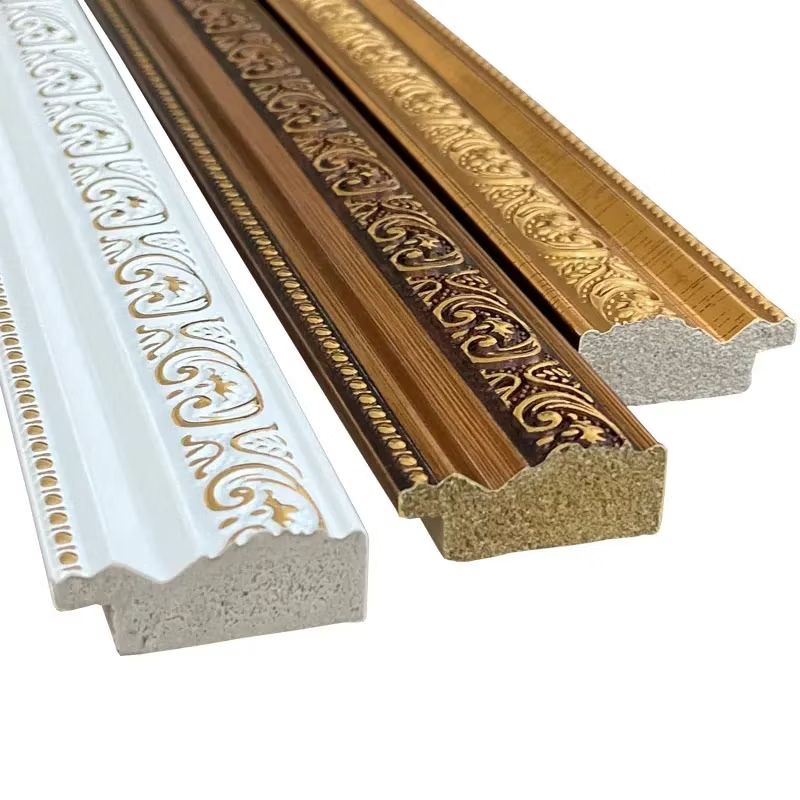
Trends in PVC Molding for Building and Construction

Polyvinyl chloride (PVC) molding continues to be a prominent choice in the building and construction industry, offering durability, affordability, and design flexibility. As construction practices evolve, so does the use of PVC in molding applications. Below are the key trends shaping the future of PVC molding: 1. Increased Use of Foamed PVC Molding Foamed PVC, […]

Trends in PVC Molding for Building and Construction Read More »
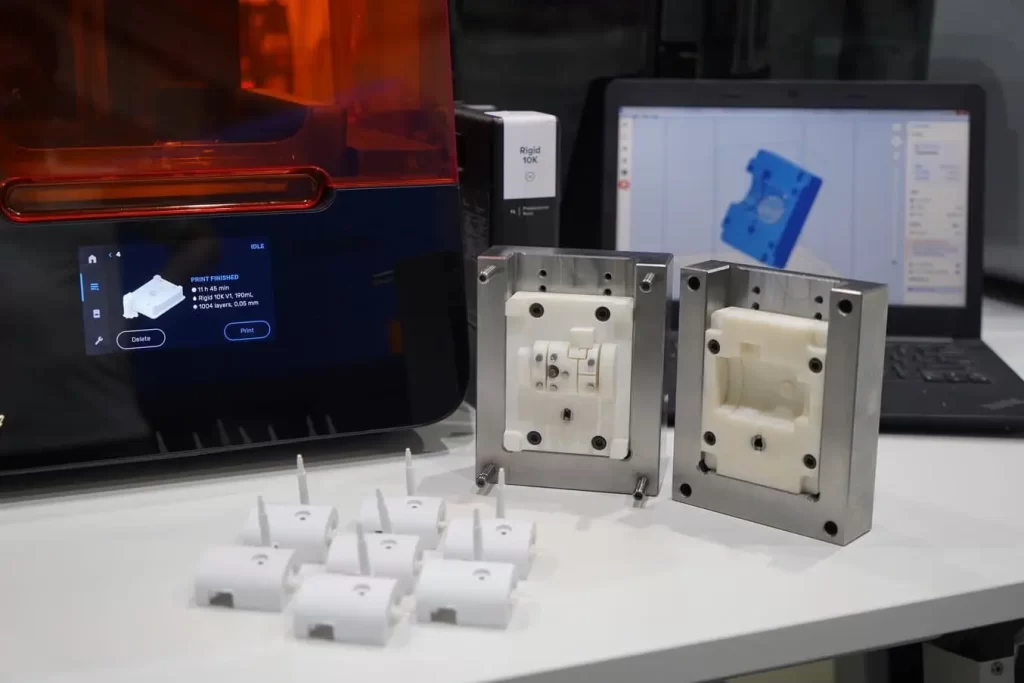
Injection Molding in Low-Volume vs. High-Volume Production

Injection molding is a widely used manufacturing process for producing plastic parts by injecting molten material into a mold. Its efficiency and precision make it ideal for both low-volume and high-volume production, though the approaches and economics differ significantly between the two. 1. Tooling Differences Low-Volume Production: Tooling Material: Often uses softer, less durable materials

Injection Molding in Low-Volume vs. High-Volume Production Read More »

Two-Shot Molding for Dual-Texture Automotive Components

Two-shot molding, also known as dual-shot or multi-shot injection molding, is an advanced manufacturing process that allows for the production of complex plastic components with two distinct materials or colors in a single molding cycle. This technique is particularly advantageous in the automotive industry, where functionality, aesthetics, and cost-efficiency are critical. What is Two-Shot Molding?

Two-Shot Molding for Dual-Texture Automotive Components Read More »

Safety Measures for Handling PVC in High-Temperature Molding

Polyvinyl chloride (PVC) is a versatile plastic used in a variety of manufacturing processes, including high-temperature molding. However, due to its chemical composition, PVC can release hazardous gases and degrade under high heat if not handled properly. Implementing strict safety measures is essential to protect workers and maintain product quality. 1. Understanding the Hazards Before

Safety Measures for Handling PVC in High-Temperature Molding Read More »

Wear and Tear in Injection Molds: Causes and Prevention

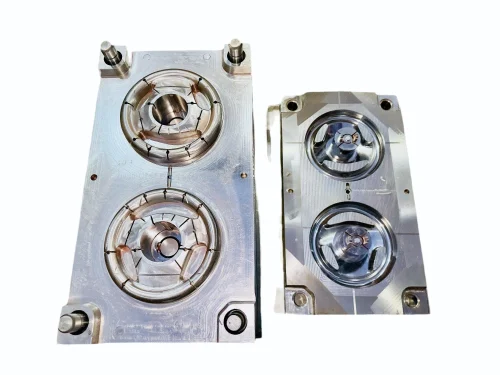
Injection molds are critical components in the plastic manufacturing industry, often representing significant investments in time and cost. Over time, however, molds are subjected to wear and tear that can degrade their performance, affect part quality, and shorten their lifespan. Understanding the causes of wear and implementing strategies for prevention are essential for maintaining production

Wear and Tear in Injection Molds: Causes and Prevention Read More »

Advanced Polymer Materials for Durable Automotive Parts

In the rapidly evolving automotive industry, materials science plays a pivotal role in enhancing performance, fuel efficiency, and safety. Among these materials, advanced polymers have emerged as indispensable for producing durable, lightweight, and high-performance automotive parts. These innovative materials are engineered to withstand harsh environments, reduce vehicle weight, and improve fuel efficiency without compromising on

Advanced Polymer Materials for Durable Automotive Parts Read More »

PVC Pipe Fitting Molds: Techniques and Considerations

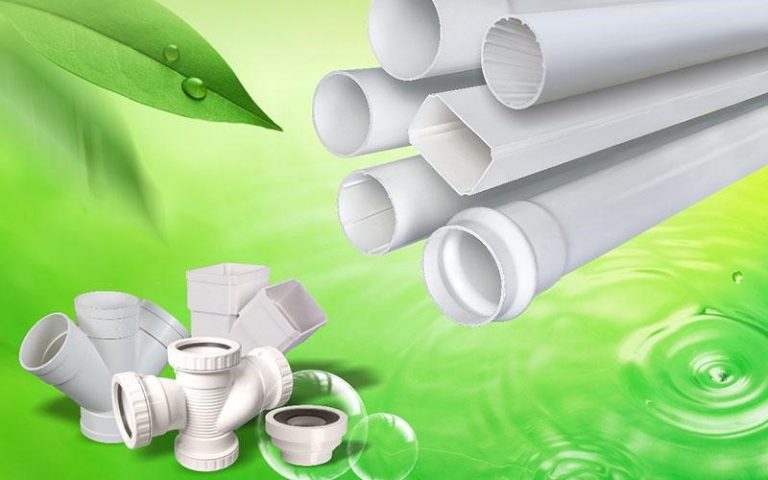
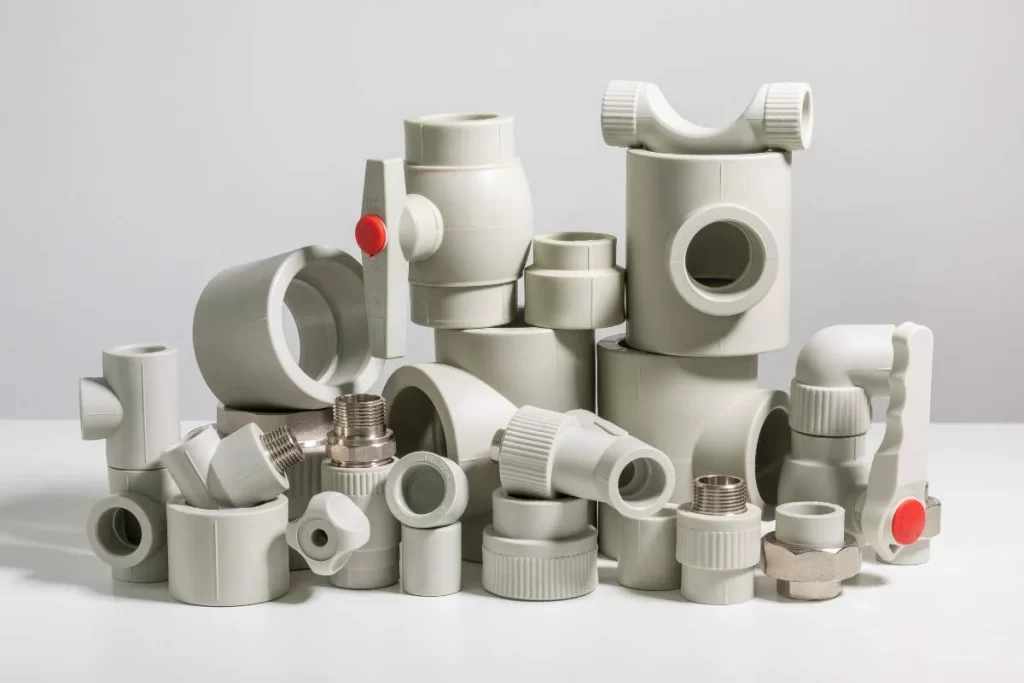
PVC (Polyvinyl Chloride) pipe fittings are essential components in plumbing, irrigation, and industrial piping systems. Producing these fittings with precision requires specialized molds and molding techniques. This guide explores the techniques used in manufacturing PVC pipe fitting molds and the key considerations for ensuring quality and efficiency. 1. Overview of PVC Pipe Fitting Molds PVC

PVC Pipe Fitting Molds: Techniques and Considerations Read More »

Injection Molding with High-Performance Plastics

Injection molding is a widely used manufacturing process for producing precise and complex plastic components in large volumes. When combined with high-performance plastics, it offers enhanced mechanical, thermal, and chemical properties, making it suitable for demanding applications across industries such as aerospace, medical, automotive, and electronics. What Are High-Performance Plastics? High-performance plastics, also known as

Injection Molding with High-Performance Plastics Read More »

Injection Molding for Steering Wheel and Airbag Components

Injection molding plays a critical role in the automotive industry, particularly in the manufacturing of steering wheels and airbag components. This process allows for high-volume, precision production of parts that meet stringent safety and performance standards. 1. Overview of Injection Molding Injection molding is a manufacturing process used to produce parts by injecting molten material

Injection Molding for Steering Wheel and Airbag Components Read More »

Chemical Resistance in PVC Molding for Industrial Uses

Polyvinyl chloride (PVC) is widely recognized for its excellent chemical resistance, making it a popular material in various industrial molding applications. Its ability to withstand exposure to a wide range of chemicals while maintaining mechanical integrity and durability makes it a reliable choice for components used in harsh environments. 1. Understanding PVC’s Chemical Composition PVC

Chemical Resistance in PVC Molding for Industrial Uses Read More »

Scroll to Top