Other

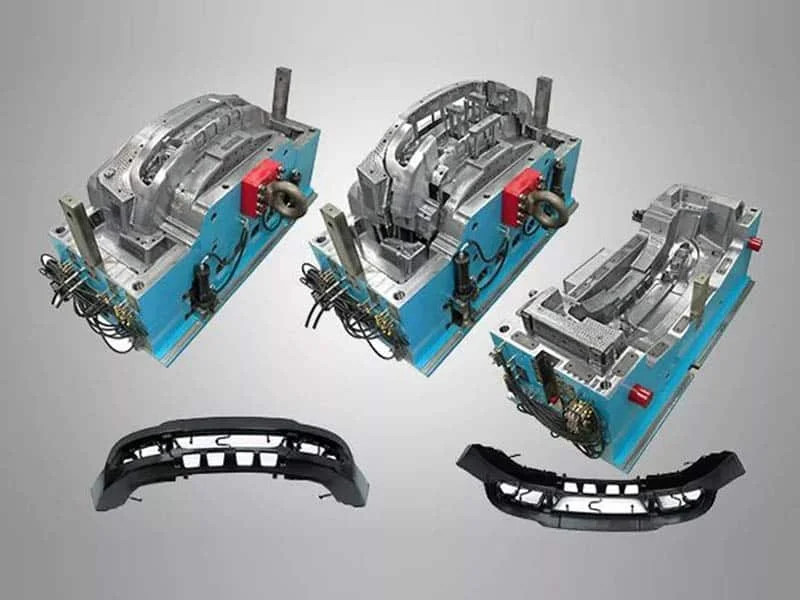
Trends in Injection Molding for Autonomous Vehicle Parts

The rapid evolution of autonomous vehicles (AVs) has led to significant changes in the design, materials, and manufacturing processes of automotive components. Among these, injection molding remains a cornerstone technology, but it’s being reshaped by the unique demands of self-driving cars. Here are the key trends in injection molding for AV parts: 1. Shift Toward

Trends in Injection Molding for Autonomous Vehicle Parts Read More »

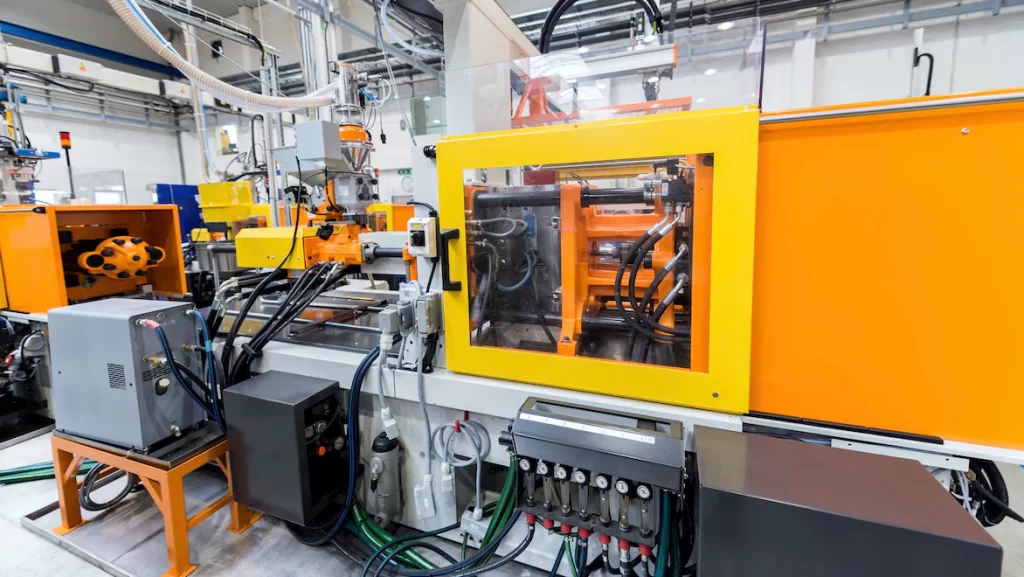
How Automation is Transforming PVC Molding

The manufacturing world is evolving rapidly, and the PVC molding industry is no exception. Automation, once a futuristic concept, is now at the heart of modern production lines. By integrating advanced machinery, robotics, and smart control systems, automation is revolutionizing the way PVC (polyvinyl chloride) products are molded — boosting efficiency, improving consistency, and lowering

How Automation is Transforming PVC Molding Read More »

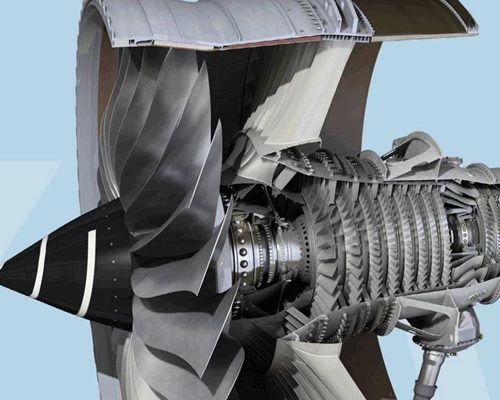
Applications of Injection Molding in the Aerospace Industry

Injection molding has become a critical manufacturing process in the aerospace industry due to its ability to produce high-precision, complex components with lightweight materials and excellent repeatability. As aerospace systems demand strict quality, weight, and safety standards, injection molding offers several advantages that meet these stringent requirements. 1. Interior Cabin Components Injection molding is widely

Applications of Injection Molding in the Aerospace Industry Read More »

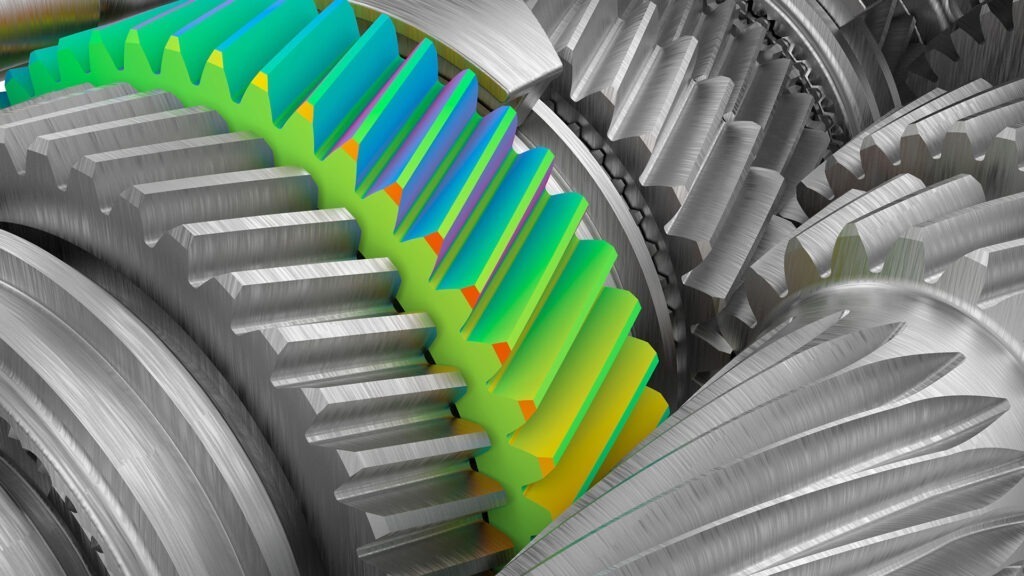
Using Finite Element Analysis (FEA) in Automotive Molding

In the competitive and highly regulated automotive industry, achieving precision, performance, and safety while maintaining cost efficiency is critical. One of the key tools that help engineers meet these demands is Finite Element Analysis (FEA). FEA plays a crucial role in the design and optimization of automotive molding processes, enabling the development of complex components

Using Finite Element Analysis (FEA) in Automotive Molding Read More »

Selecting the Right PVC Grade for Your Molding Project

When working on a molding project, choosing the correct grade of PVC (Polyvinyl Chloride) is essential to ensure durability, performance, and cost-effectiveness. PVC is one of the most versatile thermoplastics, and it comes in various grades, each tailored for specific applications. Here’s a comprehensive guide to help you choose the right PVC grade for your

Selecting the Right PVC Grade for Your Molding Project Read More »

Choosing the Right Plastic Material for Injection Molding

Selecting the right plastic material is one of the most crucial steps in the injection molding process. The choice of material affects everything—from the strength and durability of the final product to its appearance, flexibility, and cost. Here’s a breakdown of the key considerations and popular plastic options to help you make an informed decision.

Choosing the Right Plastic Material for Injection Molding Read More »

Optimizing Cycle Time for High-Volume Automotive Part Production

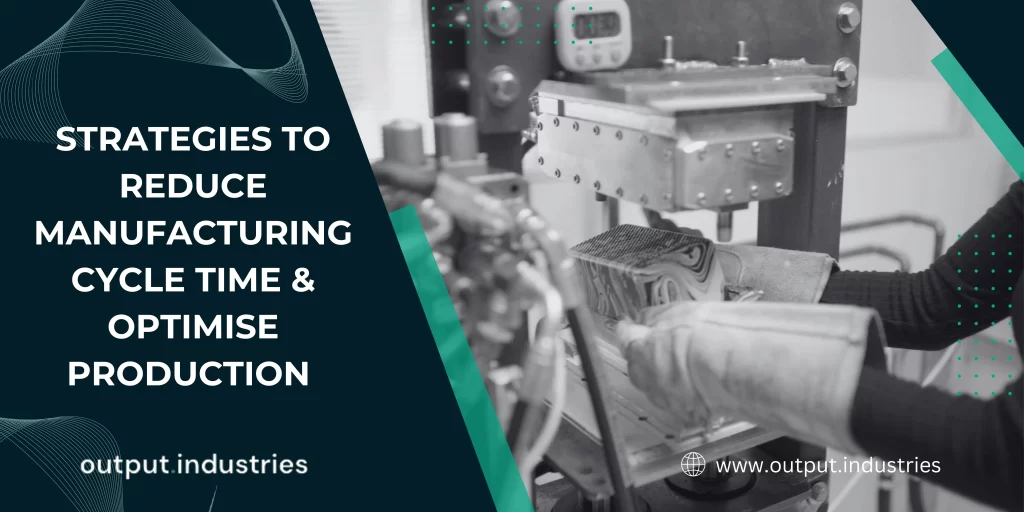
In the competitive world of automotive manufacturing, efficiency is everything. High-volume production environments must maintain rapid, consistent output without sacrificing quality. One of the most critical metrics in achieving this balance is cycle time — the total time required to complete one unit of a product, from start to finish. Why Cycle Time Matters Cycle

Optimizing Cycle Time for High-Volume Automotive Part Production Read More »

Two-Shot Injection Molding: Process and Applications

Two-shot injection molding—also known as dual-shot, multi-shot, or 2K injection molding—is an advanced manufacturing process where two different materials or colors are injected into a single mold in two separate stages to create a single, cohesive part. This process enables the production of complex, multi-material components with enhanced functionality and aesthetics, without the need for

Two-Shot Injection Molding: Process and Applications Read More »

Scroll to Top