Other

Differences Between PVC and Other Thermoplastics in Molding

Sure! Here’s a detailed breakdown of the differences between PVC (Polyvinyl Chloride) and other thermoplastics when it comes to molding: 1. Material Composition PVC (Polyvinyl Chloride): PVC is a synthetic polymer made from the polymerization of vinyl chloride monomers. It can be categorized into two main forms: rigid (used in pipes, doors, windows) and flexible […]

Differences Between PVC and Other Thermoplastics in Molding Read More »
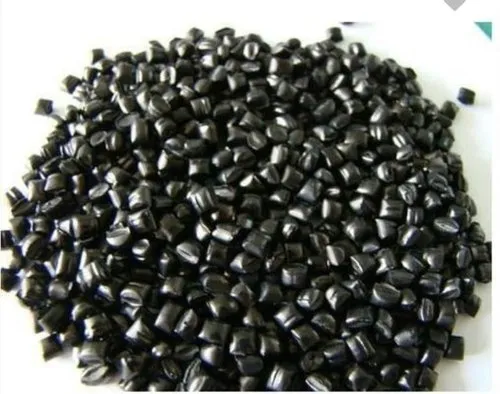
Environmental Concerns and Recycling in PVC Molding

Introduction Polyvinyl Chloride (PVC) is one of the most widely used synthetic plastics across the globe, primarily due to its versatility, durability, and relatively low cost. PVC is used in various applications, including construction materials, electrical cables, medical devices, and automotive components. However, despite its advantages, PVC also raises significant environmental concerns, particularly in the

Environmental Concerns and Recycling in PVC Molding Read More »

Advantages and Disadvantages of Using PVC in Molding

Polyvinyl Chloride (PVC) is one of the most widely used materials in molding due to its versatility, affordability, and durability. It is utilized in various industries for producing products such as pipes, medical devices, toys, and more. However, like any material, PVC comes with its own set of advantages and disadvantages when used in molding.

Advantages and Disadvantages of Using PVC in Molding Read More »

PVC Molding for Electrical Conduit and Wiring Systems

Introduction Polyvinyl chloride (PVC) molding plays a critical role in the design and implementation of electrical conduit and wiring systems. Widely used in both residential and commercial installations, PVC offers a cost-effective, durable, and safe solution for managing electrical wiring. This material is favored for its flexibility, corrosion resistance, and ease of installation, making it

PVC Molding for Electrical Conduit and Wiring Systems Read More »

PVC Pipe Molding: Techniques and Applications

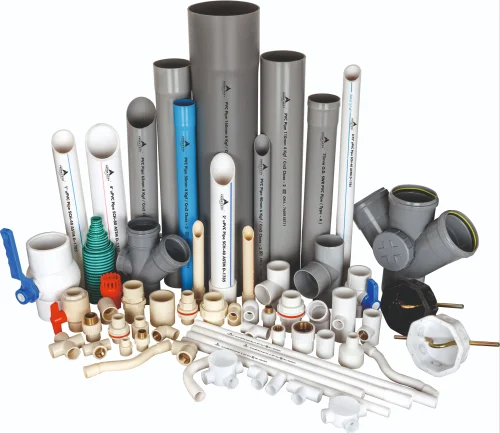
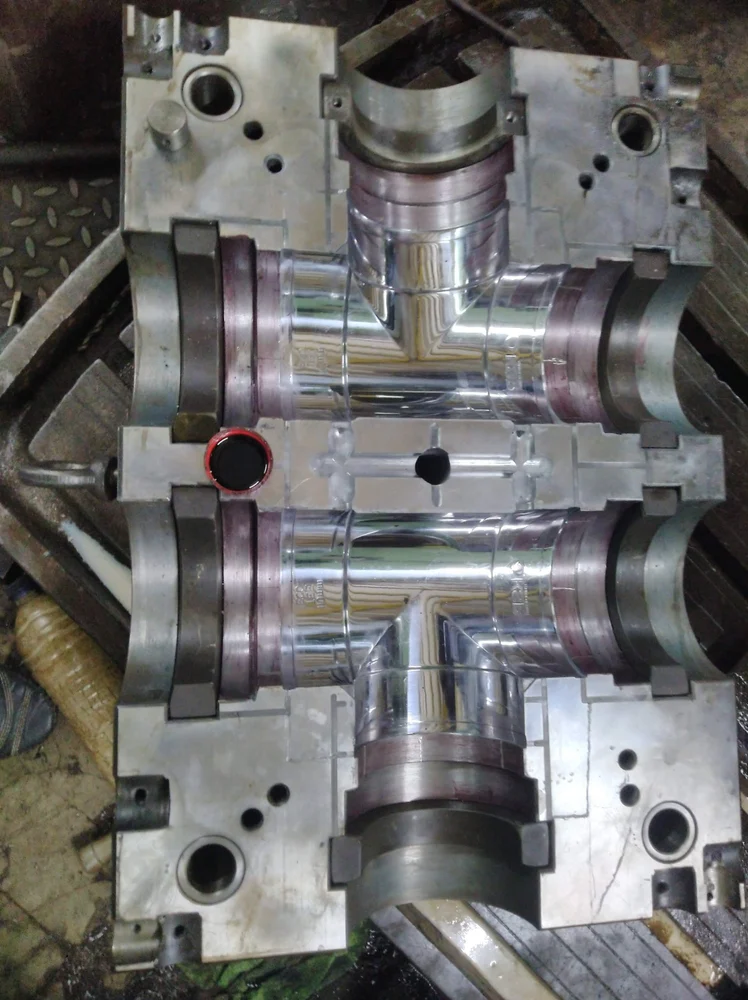
PVC (Polyvinyl Chloride) pipe molding is a manufacturing process used to produce a wide range of pipe fittings, connections, and custom designs from PVC material. Due to its lightweight, durable, and versatile nature, PVC pipes are extensively used in various industries, including construction, plumbing, electrical, and drainage. The molding of PVC pipes involves shaping molten

PVC Pipe Molding: Techniques and Applications Read More »

Design for Manufacturability (DFM) in Automotive Molding

Design for Manufacturability (DFM) is an engineering practice that emphasizes designing products in a way that makes them easier and more cost-effective to manufacture. In the context of automotive molding, DFM plays a crucial role in optimizing the design and production process, ensuring high-quality parts while minimizing manufacturing difficulties and costs. Key Principles of DFM

Design for Manufacturability (DFM) in Automotive Molding Read More »

High-Precision Molds for Automotive Electronics

High-precision molds play a critical role in the manufacturing of automotive electronics. As the automotive industry continues to evolve, the demand for more advanced and reliable electronics within vehicles is on the rise. From infotainment systems and navigation to safety features like airbag sensors and electronic control units (ECUs), automotive electronics are integral to modern

High-Precision Molds for Automotive Electronics Read More »

PVC Molding in the Construction Industry

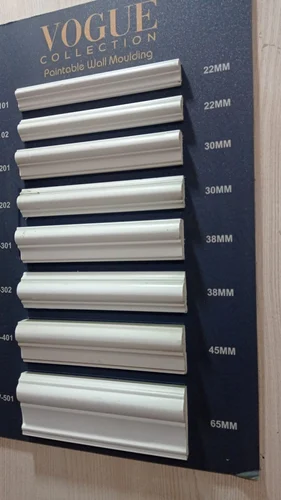
Introduction: Polyvinyl Chloride (PVC) molding is an essential component in the construction industry, known for its versatility, durability, and cost-effectiveness. PVC is a synthetic plastic polymer used in a wide range of applications, from plumbing pipes to flooring and moldings. Its molding process involves shaping the material into various forms to create products used for

PVC Molding in the Construction Industry Read More »

Scroll to Top