Other

Injection Molding of Lightweight Components for Vehicles

Injection molding is a widely used manufacturing process for producing precise, high-volume parts from various materials. In the automotive industry, it has become an essential technique for producing lightweight components, contributing to vehicle performance, fuel efficiency, and sustainability. As automakers strive to meet stricter fuel economy and emission standards, reducing the weight of vehicles has […]

Injection Molding of Lightweight Components for Vehicles Read More »
Designing Complex Molds for Automotive Engine Components

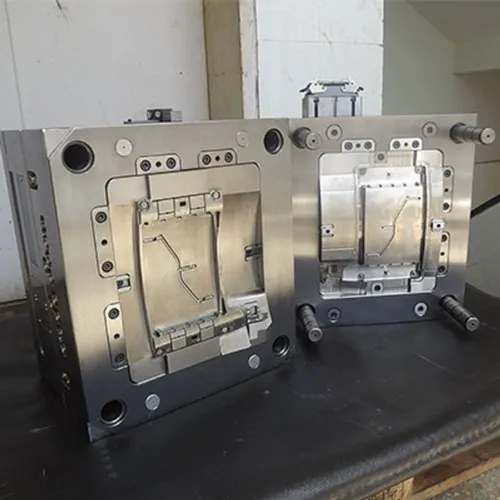
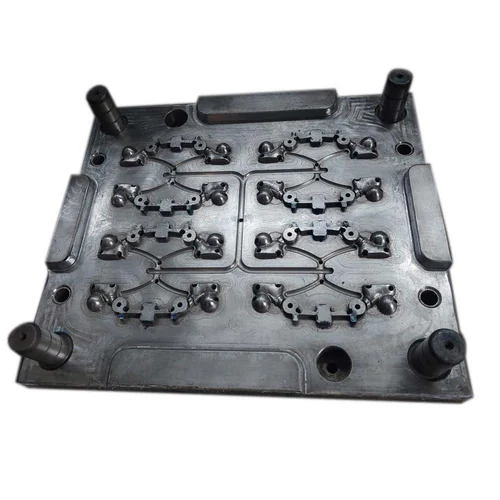
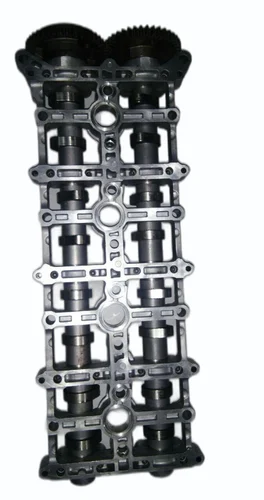
Designing molds for automotive engine components is a sophisticated process that requires a deep understanding of material behavior, manufacturing techniques, and product design specifications. This guide outlines the key considerations, design principles, and best practices for creating complex molds for engine components. 1. Understanding Engine Component Requirements Before starting the mold design, it is essential

Designing Complex Molds for Automotive Engine Components Read More »

Rigid vs. Flexible PVC Molding: Differences and Applications

Introduction: PVC (Polyvinyl Chloride) molding is a popular material used in various industries for its durability, cost-effectiveness, and ease of use. Two primary types of PVC molding are commonly used: rigid PVC and flexible PVC. While both have similar chemical compositions, their physical properties and applications differ significantly. Understanding the differences between rigid and flexible

Rigid vs. Flexible PVC Molding: Differences and Applications Read More »

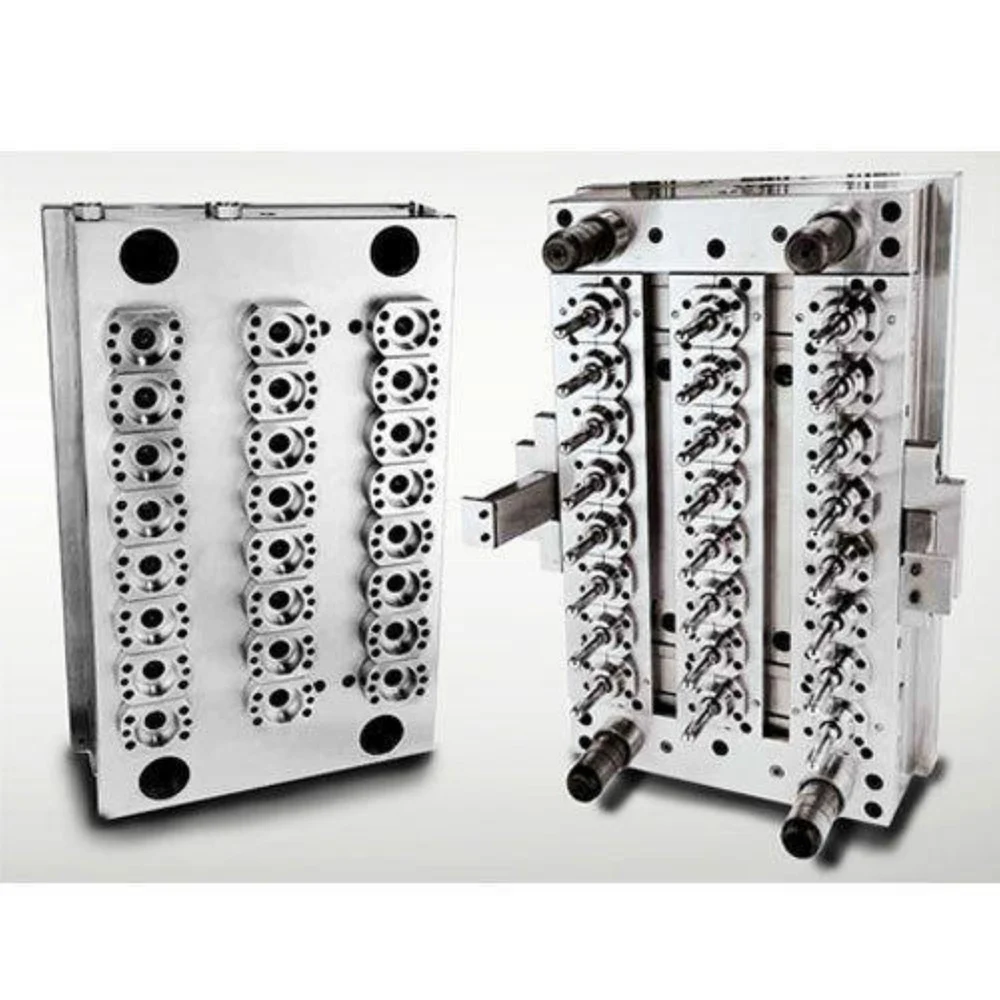
Types of Molds in Injection Molding: Single Cavity vs. Multi-Cavity

Injection molding is a widely used manufacturing process in which molten material (often plastic) is injected into a mold to create a wide range of products. The design of the mold plays a crucial role in the production process, affecting factors such as efficiency, cost, and the type of products that can be produced. Two

Types of Molds in Injection Molding: Single Cavity vs. Multi-Cavity Read More »

The Injection Molding Process: Step-by-Step Guide

Injection molding is a widely used manufacturing process for producing parts by injecting molten material into a mold cavity. It is commonly used for plastic, but can also be applied to metals, rubber, and glass. This process allows for high-volume production, precise detail, and consistent quality, making it ideal for creating everything from consumer goods

The Injection Molding Process: Step-by-Step Guide Read More »

Exterior Automotive Molds: Bumpers, Grilles, and More

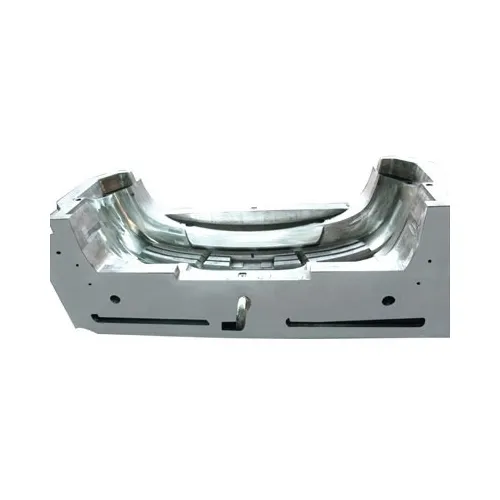
Introduction Exterior automotive molds are essential components in the manufacturing of various parts for vehicles. These molds are used to create a wide range of exterior elements that contribute to both the aesthetics and functionality of a vehicle. Among the most notable parts produced using these molds are bumpers, grilles, and other exterior features that

Exterior Automotive Molds: Bumpers, Grilles, and More Read More »

Injection Molding vs. 3D Printing: Pros and Cons

Injection Molding Pros:✅ High Volume Production – Ideal for mass production, as it can create thousands to millions of parts efficiently.✅ Cost-Effective at Scale – The cost per unit significantly decreases with higher production quantities.✅ Strong & Durable Parts – Produces parts with consistent material properties and high strength.✅ Wide Material Selection – Can use

Injection Molding vs. 3D Printing: Pros and Cons Read More »

How Mould Cooling Systems Affect Automotive Part Production

Mold cooling systems play a crucial role in automotive part production, directly impacting the efficiency, quality, and cost-effectiveness of the manufacturing process. Here’s how they affect production: 1. Cycle Time Reduction Proper cooling ensures that molten plastic or metal solidifies quickly, reducing the overall cycle time. Faster cooling leads to higher production rates and increased

How Mould Cooling Systems Affect Automotive Part Production Read More »

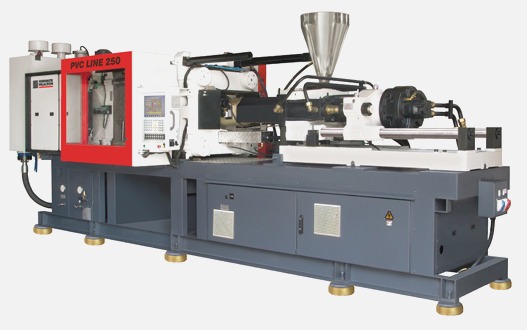
Automation is Transforming PVC Molding

Automation is revolutionizing the PVC molding industry, driving significant advancements in efficiency, precision, and scalability. From production planning to the manufacturing floor, automation integrates robotics, artificial intelligence (AI), and advanced software to optimize every stage of the molding process. This transformation is particularly impactful in industries like construction, automotive, and consumer goods, where PVC molding

Automation is Transforming PVC Molding Read More »

Scroll to Top