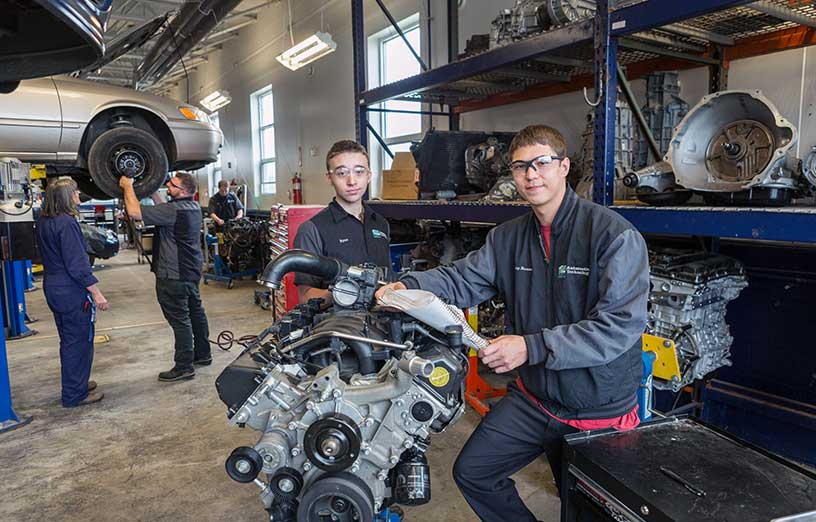
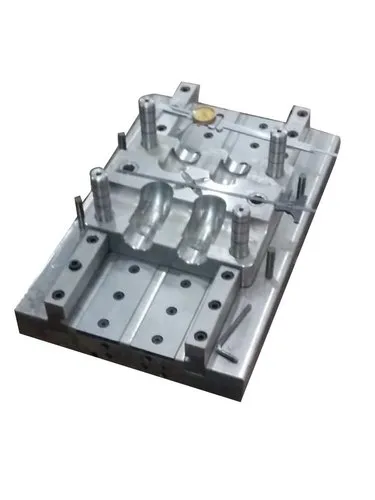
Certification programs in automotive tooling play a crucial role in enhancing technical competency, ensuring quality compliance, and improving global employability of professionals involved in tool design, mould making, die manufacturing, and production engineering. These certifications validate skills aligned with international automotive standards, advanced manufacturing practices, and Industry 4.0 requirements.
1. Importance of Certification in Automotive Tooling
Automotive tooling demands high precision, durability, and adherence to strict quality norms. Certification programs help professionals and organizations to:
Demonstrate technical expertise and standardized skills
Meet OEM and Tier-1 supplier requirements
Improve productivity, tool life, and cost efficiency
Enhance career growth and global mobility
Support compliance with automotive quality systems
2. Major Certification Categories
a) Tool Design and CAD/CAM Certifications
These programs focus on digital design and manufacturing tools widely used in automotive tooling.
Injection Mould Design Certification
Die and Tool Design Certification
CAD/CAM Software Certifications (CATIA, Siemens NX, SolidWorks, AutoCAD)
Moldflow and Simulation Analysis Certification
Target Audience: Tool designers, CAD engineers, process engineers
b) Automotive Quality Management Certifications
Quality certifications ensure tooling processes align with automotive standards.
IATF 16949 Internal Auditor Certification
APQP (Advanced Product Quality Planning) Certification
PPAP (Production Part Approval Process) Certification
FMEA (Design & Process) Certification
SPC and MSA Certification
Target Audience: Quality engineers, tooling managers, production heads
c) CNC Machining and Manufacturing Certifications
Focused on precision manufacturing of automotive tools and dies.
CNC Programming Certification (Milling, Turning, EDM, Wire-EDM)
Advanced Tool Room Machinist Certification
GD&T (Geometric Dimensioning and Tolerancing) Certification
Precision Metrology and CMM Certification
Target Audience: CNC operators, machinists, manufacturing engineers
d) Materials and Tool Steel Certifications
These certifications cover material selection and heat treatment for automotive tooling.
Tool Steel Selection and Heat Treatment Certification
Surface Treatment and Coating Certification (PVD, CVD, Nitriding)
Polymer Materials for Automotive Moulds Certification
Target Audience: Tool designers, materials engineers, toolmakers
e) Automation and Industry 4.0 Certifications
Modern automotive tooling integrates smart manufacturing technologies.
Industry 4.0 for Tooling Certification
Robotics and Automation in Tool Rooms
IoT-Enabled Tool Monitoring Certification
Digital Twin and Smart Tooling Certification
Target Audience: Automation engineers, plant managers, R&D professionals
3. International and Regional Certification Providers
Global Organizations
Society of Manufacturing Engineers (SME)
TÜV (Technical Inspection Associations)
International Organization for Standardization (ISO training bodies)
American Society for Quality (ASQ)
India-Specific Certification Bodies
Central Institute of Tool Design (CITD)
Indo-German Tool Room (IGTR)
National Skill Development Corporation (NSDC)
Automotive Skills Development Council (ASDC)
4. Certification for Tooling Companies
Apart from individual certifications, automotive tooling companies pursue organizational certifications:
IATF 16949 Certification
ISO 9001 (Quality Management)
ISO 14001 (Environmental Management)
ISO 45001 (Occupational Health & Safety)
These certifications improve credibility with global automotive OEMs and suppliers.
5. Benefits of Certification Programs
Higher acceptance by automotive OEMs and Tier-1 suppliers
Reduced tool rework and failures
Improved process consistency and traceability
Enhanced competitiveness in export markets
Stronger alignment with global automotive trends
6. Future Trends in Automotive Tooling Certifications
Increased focus on electric vehicle (EV) tooling
Sustainability and green manufacturing certifications
AI-based process optimization programs
Advanced simulation and virtual validation certifications
Conclusion
Certification programs in automotive tooling are essential for maintaining technical excellence and global competitiveness in a rapidly evolving automotive industry. Whether for individual skill enhancement or organizational compliance, these certifications help bridge the gap between traditional tooling practices and modern automotive manufacturing requirements.