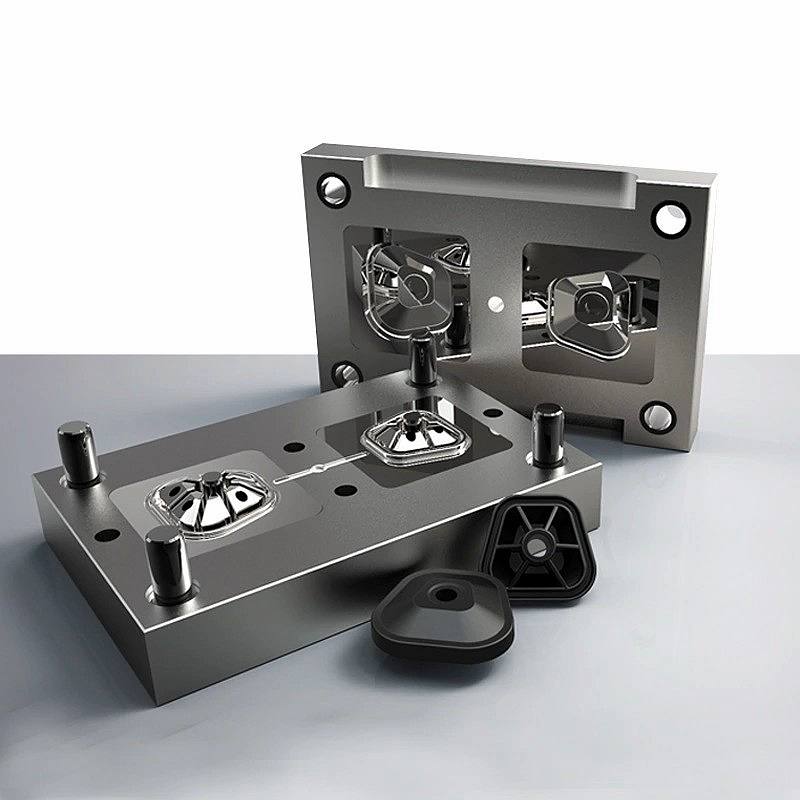
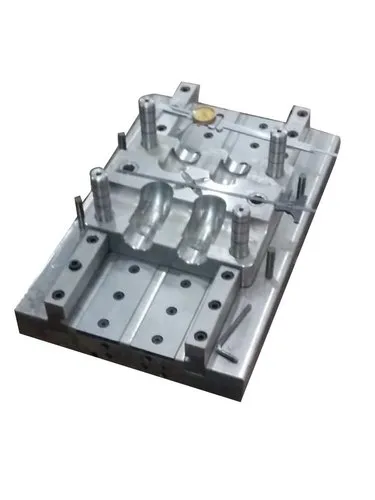
The mould making industry plays a crucial role in manufacturing sectors such as automotive, electronics, furniture, consumer goods, medical devices, and packaging. However, the process of designing and producing high-precision moulds involves several technical and operational challenges. Understanding these challenges helps companies improve productivity, reduce costs, and enhance mould performance.
1. Increasing Product Complexity
Modern products demand intricate shapes, fine details, and multifunctional features.
Challenges:
Highly complex geometries require advanced CAD/CAM tools.
Multi-cavity and multi-material moulds increase design difficulty.
Tight tolerances leave little room for error.
Impact: Longer design cycles, higher tooling costs, increased chances of defects.
2. High Material and Production Costs
Moulds require premium materials like P20, H13, S136, and beryllium copper inserts.
Challenges:
Steel prices fluctuate frequently.
High costs of precision machining equipment.
Tool wear increases maintenance expense.
Impact: Overall project cost increases, affecting profitability.
3. Skilled Manpower Shortage
The industry heavily depends on experienced designers, machinists, and toolmakers.
Challenges:
Lack of trained professionals in CNC, EDM, polishing, and mould fitting.
Knowledge gap between old-generation toolmakers and new entrants.
High labour cost for experts.
Impact: Project delays, inconsistent quality, increased rework.
4. Long Lead Times
Mould manufacturing is a multi-stage process involving design, machining, assembly, trial, and corrections.
Challenges:
Complex operations like deep EDM, precision milling, and surface finishing take time.
Frequent design changes during development.
Dependency on external suppliers for special components (ejector pins, hot runners).
Impact: Delayed product launches and customer dissatisfaction.
5. Maintaining Dimensional Accuracy
Precision is the most critical factor in any mould.
Challenges:
Thermal expansion during machining affects dimensions.
Assembly alignment issues.
Shrinkage prediction for different plastics.
Impact: Parts not matching specifications, leading to multiple mould trials.
6. Tool Wear and Maintenance
Heavy use causes gradual wear of mould components.
Challenges:
Wear of runners, gates, and sliders.
Rust formation due to humidity.
Inadequate lubrication reduces tool life.
Impact: Frequent downtime, high maintenance costs, reduced mould life.
7. Heat Management Issues
Efficient cooling is essential for cycle time reduction.
Challenges:
Improper cooling channel design.
Uneven heat distribution causing warpage.
Difficulty cooling thick sections.
Impact: Extended cycle times and quality defects.
8. Quality Issues in Mould Trials
Even well-designed moulds face challenges during trials.
Common issues:
Flash formation.
Short shots.
Warpage and sink marks.
Burn marks due to improper venting.
Impact: Additional trial costs and extended development time.
9. Integration of New Technologies
Industry 4.0, automation, and sensor-based moulds are advancing rapidly.
Challenges:
High initial investment.
Difficulty integrating old machines with new software.
Need for training employees on digital tools.
Impact: Slow adoption and reduced competitiveness.
10. Customer-Driven Changes
Customer expectations are becoming more dynamic.
Challenges:
Frequent revision of designs.
Shorter product lifecycles.
Pressure for faster delivery at lower cost.
Impact: Increased workload and higher risk of errors.
11. Global Competition
The mould industry is highly competitive globally, especially from China, Vietnam, and Europe.
Challenges:
Price pressure.
Maintaining quality while keeping costs low.
Delivering projects within shorter timelines.
Impact: Companies struggle to balance cost, quality, and speed.
Conclusion
The mould making industry faces challenges related to cost, complexity, precision, manpower, and technology adoption. Companies that invest in modern machining equipment, skilled workforce development, and digital tools can significantly reduce these challenges and gain a competitive advantage.