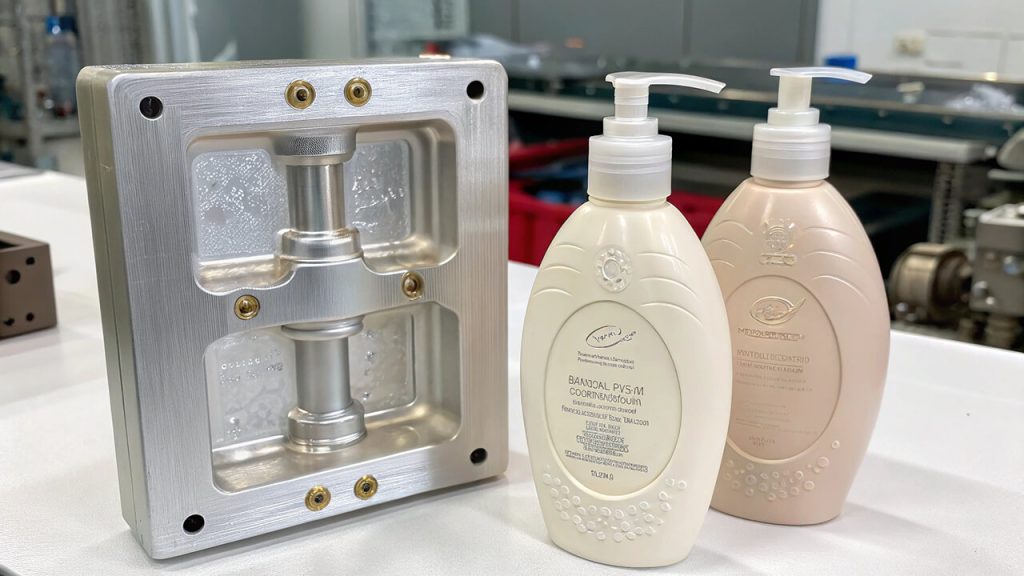
Cosmetic packaging moulds play a critical role in ensuring product safety, quality, and regulatory acceptance. Since cosmetic containers come into direct or indirect contact with formulations, mould design and manufacturing must comply with strict international standards. Adhering to these compliance requirements helps manufacturers meet legal obligations, protect consumer health, and maintain brand credibility.
Regulatory Frameworks and Global Standards
Cosmetic packaging moulds must align with regulations defined by global authorities such as the FDA (USA), EU Cosmetics Regulation (EC No. 1223/2009), and BIS standards in India. These frameworks specify material safety, contamination control, and manufacturing practices to ensure packaging does not adversely affect cosmetic formulations.
Material Compliance and Safety
Moulds used for cosmetic packaging are designed for processing approved polymers such as PP, PE, PET, and PMMA that comply with food-grade and cosmetic-grade standards. Mould steels and coatings must be non-toxic, corrosion-resistant, and free from harmful substances that could migrate into the product. Compliance with REACH and RoHS directives is essential for global market acceptance.
Good Manufacturing Practices (GMP)
Cosmetic packaging moulds are manufactured under controlled conditions following Good Manufacturing Practices. GMP compliance ensures consistency, traceability, and contamination-free production. This includes clean machining environments, proper handling of mould components, and documented quality control procedures throughout the mould lifecycle.
Surface Finish and Hygiene Requirements
High-quality surface finishing of mould cavities is crucial for hygiene and compliance. Mirror-polished or fine-textured surfaces prevent residue build-up, facilitate easy cleaning, and reduce the risk of microbial contamination. Proper surface standards also ensure consistent aesthetics in cosmetic packaging.
Dimensional Accuracy and Functional Testing
Compliance standards require moulds to deliver precise dimensions, tight tolerances, and consistent wall thickness. Functional testing of moulded cosmetic packaging—such as leak testing, cap fitment, and drop resistance—ensures the final product meets regulatory and consumer safety expectations.
Traceability and Documentation
Regulatory compliance demands complete documentation of mould materials, design specifications, maintenance records, and validation results. Traceability ensures that any quality or safety issue can be quickly identified and addressed, supporting audits and regulatory inspections.
Sustainability and Environmental Compliance
Modern compliance standards increasingly emphasize sustainability. Cosmetic packaging moulds are designed to support recyclable materials, reduced wall thickness, and lightweight designs. Compliance with environmental regulations helps brands meet sustainability goals while maintaining regulatory approval.
Conclusion
Compliance standards for cosmetic packaging moulds are essential for ensuring product safety, regulatory approval, and market success. By adhering to global regulations, using certified materials, following GMP, and maintaining strict quality control, mould manufacturers enable cosmetic brands to deliver safe, compliant, and high-quality packaging to consumers worldwide.