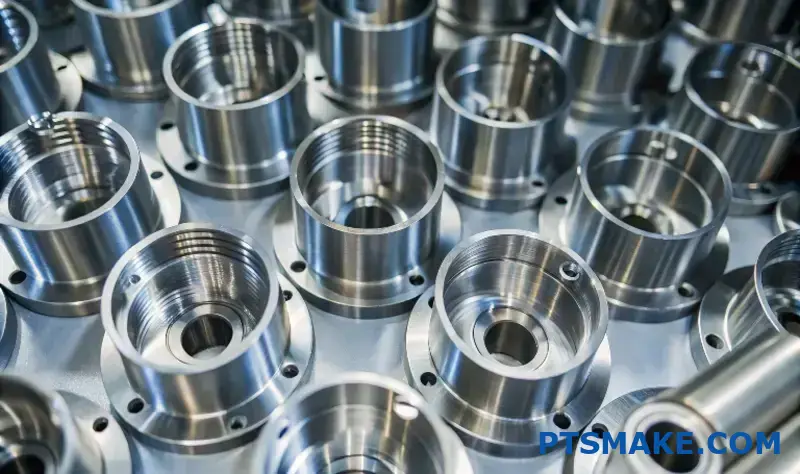
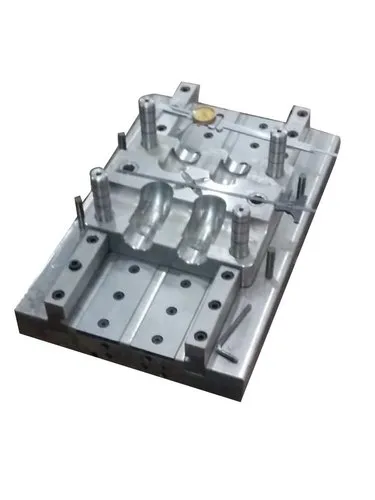
Cosmetic moulds and tooling operate in highly demanding environments where aesthetics, hygiene, and long-term durability are critical. Frequent exposure to aggressive polymers, colorants, fragrances, cleaning agents, and humid production conditions makes corrosion resistance a key factor in steel selection. Using corrosion-resistant steels ensures consistent surface quality, extended tool life, and reliable production of premium cosmetic components.
Importance of Corrosion Resistance in Cosmetic Moulds
Cosmetic packaging components such as caps, closures, lipstick cases, compacts, and applicators demand flawless surface finishes. Even minor corrosion can lead to:
Surface defects on moulded parts
Reduced gloss and optical clarity
Increased maintenance and polishing frequency
Shortened mould service life
Corrosion-resistant steels help maintain cavity integrity and dimensional accuracy, even during high-cycle production and frequent cleaning or sterilization.
Common Corrosion-Resistant Steels Used
Several stainless and alloy steels are widely adopted in cosmetic mould manufacturing:
Stainless Tool Steels (Martensitic Grades)
Steels such as AISI 420 and 1.2083 offer excellent corrosion resistance combined with good hardness and polishability. These grades are ideal for high-gloss cosmetic parts and transparent components.
Pre-Hardened Stainless Steels
Grades like 1.2316 provide a balance of corrosion resistance, toughness, and machinability. Supplied in pre-hardened condition, they reduce lead times and are suitable for medium- to high-volume cosmetic moulds.
Powder Metallurgy Stainless Steels
High-performance PM steels deliver superior corrosion resistance, uniform microstructure, and exceptional wear resistance. These materials are preferred for intricate mould geometries and long production runs.
Benefits in Cosmetic Applications
Superior Surface Finish: Enables mirror-polished cavities for premium cosmetic aesthetics
Chemical Resistance: Withstands perfumes, essential oils, pigments, and aggressive additives
Lower Maintenance Costs: Reduced rust formation minimizes downtime and rework
Extended Tool Life: Maintains performance under high humidity and frequent cleaning cycles
Application Areas
Corrosion-resistant steels are commonly used in moulds for:
Cosmetic caps and closures
Lipstick and mascara components
Compact cases and jars
Transparent and high-gloss packaging parts
Selection Considerations
When choosing corrosion-resistant steel for cosmetic moulds, manufacturers should consider:
Polymer type and chemical additives
Required surface finish and polish level
Production volume and cycle time
Cleaning methods and environmental conditions
Proper heat treatment, surface finishing, and regular maintenance further enhance the corrosion resistance and performance of the mould.
Conclusion
Corrosion-resistant steels play a vital role in ensuring the quality, reliability, and longevity of cosmetic moulds. By selecting the right steel grade, cosmetic manufacturers can achieve superior aesthetics, consistent part quality, and cost-effective production—meeting the high expectations of the global cosmetic industry.