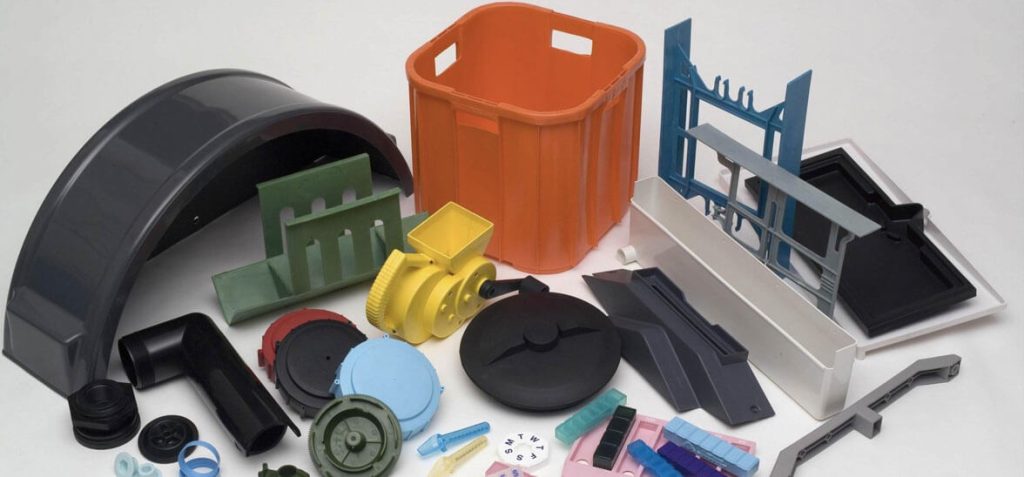
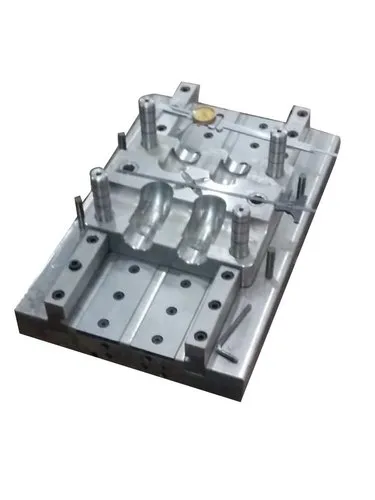
Educational products such as pens, rulers, geometry boxes, chalk holders, pencil sharpeners, classroom aids, and learning toys are produced in very high volumes and must remain affordable. Cost-effective mould design plays a crucial role in achieving competitive pricing while maintaining acceptable quality, durability, and safety standards.
1. Understanding Product Requirements
Cost optimization begins with a clear understanding of the product’s functional requirements, expected lifespan, and usage environment. Educational products generally:
Have simple geometries
Require moderate dimensional accuracy
Must be safe for children
Designing only to the necessary performance level avoids over-engineering and unnecessary mould costs.
2. Simplified Part Design
Simple part geometry reduces both mould complexity and manufacturing cost.
Minimize undercuts to avoid sliders and lifters
Use uniform wall thickness to reduce material usage and cycle time
Avoid sharp corners; use radii to improve flow and mould life
Combine features where possible to reduce part count
3. Selection of Economical Mould Materials
Choosing the right mould steel significantly impacts overall cost:
Pre-hardened steels (e.g., P20) for medium-volume production
Aluminum moulds for prototyping or low-volume educational items
Hardened steels only where long tool life is critical
This balanced approach lowers tooling investment without compromising functionality.
4. High-Cavity and Family Moulds
To reduce per-part cost:
High-cavity moulds increase output per cycle for mass-produced items
Family moulds allow multiple similar parts to be moulded in one tool
Careful runner balancing ensures consistent quality across all cavities.
5. Efficient Runner and Gating Systems
Optimized material flow reduces waste and cycle time:
Cold runner systems for low-cost tooling
Submarine or edge gates for easy automatic de-gating
Short runner lengths to minimize material loss
For very high volumes, hot runner systems may be justified despite higher initial cost.
6. Standardized Mould Components
Using standard components lowers design and maintenance costs:
Standard ejector pins, guide pillars, and bushings
Off-the-shelf mould bases
Common cooling fittings and fasteners
Standardization also improves serviceability and reduces downtime.
7. Optimized Cooling Design
Efficient cooling reduces cycle time and energy consumption:
Straight cooling channels aligned with thick sections
Avoid over-complicated cooling layouts
Use conventional drilling instead of costly conformal cooling where possible
Shorter cycles directly translate to lower part costs.
8. Material Selection for Moulded Parts
Low-cost, widely available plastics are preferred:
Polypropylene (PP)
Polystyrene (PS)
ABS for slightly higher strength requirements
Using recycled or regrind material where acceptable further reduces cost.
9. Ease of Maintenance and Repair
Educational product moulds often run continuously:
Design moulds for easy disassembly
Use replaceable inserts in high-wear areas
Minimize fine details that are prone to damage
Lower maintenance costs improve long-term cost efficiency.
10. Scalability and Future Modifications
A cost-effective mould should allow:
Cavity addition for future demand increases
Insert changes for design updates
Adaptability to different product variants
This reduces the need for new moulds as product lines evolve.
Conclusion
Cost-effective mould design for educational products focuses on simplicity, smart material selection, standardized components, and efficient production strategies. By aligning mould design with high-volume manufacturing needs and budget constraints, manufacturers can deliver affordable, safe, and durable educational products while maintaining profitability and production efficiency.