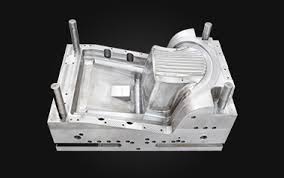
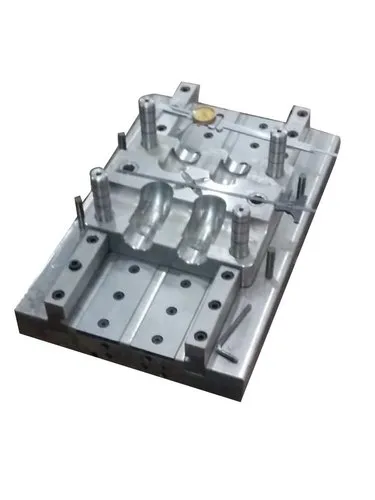
Cost estimation is a critical step in plastic furniture manufacturing, as the mould represents one of the most significant investments in the production cycle. Accurate estimation ensures price competitiveness, proper budgeting, and long-term profitability. Several engineering, material, and operational factors influence the total mould cost.
1. Key Factors Affecting Mould Cost
1.1 Mould Size and Complexity
Larger moulds (e.g., for chairs, tables, storage cabinets) require more steel, machining time, and larger injection moulding machines.
Complex designs with intricate contours, ribs, undercuts, or textures increase the need for advanced tooling, CAD/CAM work, EDM machining, and specialised finishing.
1.2 Material of the Mould
Common mould materials include:
P20 Steel – economical, good for medium-volume production.
H13 / S136 Stainless Steel – higher durability, corrosion resistance, suited for long-term high-volume moulding.
Aluminium – cheaper and lighter but only suitable for low-volume or prototype furniture moulds.
The harder or higher-grade the steel, the higher the mould cost.
1.3 Furniture Type and Product Design
Chair moulds (armchair, armless, baby chair) cost more due to larger size and ribbing.
Table moulds (round, square) require multiple inserts and precise flatness control.
Stool and small furniture moulds are relatively cheaper due to simpler geometry.
1.4 Number of Cavities
Plastic furniture moulds are usually single-cavity due to large part size.
However, moulds for smaller furniture accessories (e.g., caps, connectors) may be multi-cavity, increasing tooling complexity and cost.
1.5 Surface Finish and Texture
High-gloss polish, wood-grain texture, or scratch-resistant coatings add extra labour and processing time.
Spark erosion or laser-texturing also contributes to cost.
1.6 Injection Moulding Machine Compatibility
Moulds must be designed for:
Specific tonnage (clamping force)
Injection capacity
Ejector layout
Cooling line configuration
Customisation to suit a particular machine may increase the mould cost.
1.7 Cooling System Requirements
Efficient cooling is crucial for large furniture parts:
Conformal cooling channels
Efficient baffles and bubblers
High-precision drilling
A more advanced cooling system increases initial cost but reduces cycle time and improves ROI.
1.8 Expected Production Volume
High-volume production demands premium steel and more robust mould construction.
Low-volume production may justify cheaper materials and simpler design.
2. Breakdown of Cost Components
2.1 Design and Engineering
Includes:
Product design verification
Mould flow analysis
3D and 2D mould design
Strength and cooling simulations
Typically 5%–10% of total mould cost.
2.2 Raw Material Cost (Steel)
This is one of the largest components:
Chair moulds require heavy steel blocks
Higher steel grade = higher cost
Additional inserts or sliders add extra material cost
Can account for 30%–40% of total cost.
2.3 Machining and Tooling
Involves:
CNC machining
EDM and wire-cut operations
Polishing and texturing
Hardening/heat treatment
Accounts for 30%–45% of cost.
2.4 Standard Components
E.g.:
Ejector pins
Bushings and guides
Hot runner systems (if used)
Cooling and hydraulic fittings
Approximately 10%–20%.
2.5 Trials, Testing, and Adjustments
Cost includes:
T1, T2 trial shots
Corrections and rework
Quality verification
Sample dispatch
Usually 5%–10%.
3. Typical Cost Range for Plastic Furniture Moulds
| Furniture Type | Typical Cost Range (USD) | Notes |
|---|---|---|
| Stool Mould | $8,000 – $20,000 | Smaller size, simple geometry |
| Chair Mould (Armless) | $12,000 – $40,000 | Depends on stiffness ribs and weight |
| Chair Mould (With Arms) | $20,000 – $60,000 | More complex structure |
| Baby Chair Mould | $10,000 – $25,000 | Smaller but ribbed |
| Table Mould | $25,000 – $80,000 | Requires high flatness accuracy |
| Cabinet / Storage Moulds | $40,000 – $150,000 | Multi-part mould sets |
| Furniture Accessories | $5,000 – $15,000 | Multi-cavity moulds possible |
Costs vary by country, steel grade, manufacturer, and tooling precision.
4. Methods for Reducing Mould Costs
4.1 Optimised Product Design
Reduce unnecessary ribs or thickness
Avoid deep undercuts
Use uniform wall thickness
4.2 Choosing Optimal Steel
Select steel grade matching production requirements
Avoid overspecification for low-volume use
4.3 Standardising Components
Use standard ejector pins, bushings, and cooling fittings to lower price.
4.4 Early Design Validation
Mould flow analysis
Structural simulations
Prototype printing (3D printing)
Prevents costly corrections during mould trials.
4.5 Efficient Cooling Design
Although initially costlier, it reduces cycle time and operational costs.
5. Conclusion
Cost estimation of plastic furniture moulds requires considering several technical, material, and operational parameters. Accurate estimation helps manufacturers plan investments, optimise design, and ensure profitability. Understanding cost drivers—from steel selection to machining complexity—allows for strategic decisions that balance quality and budget.