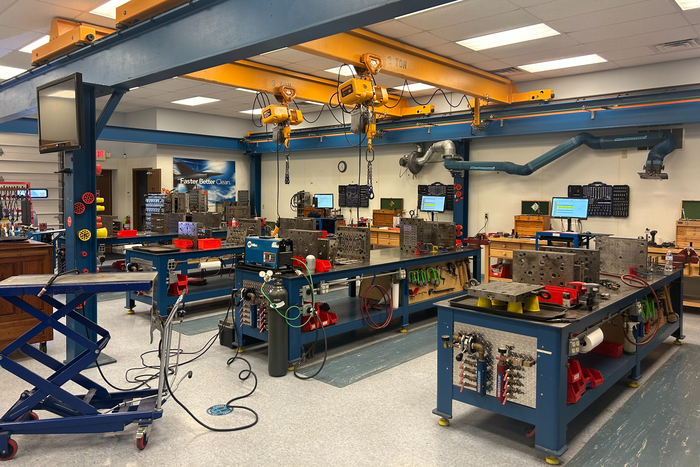
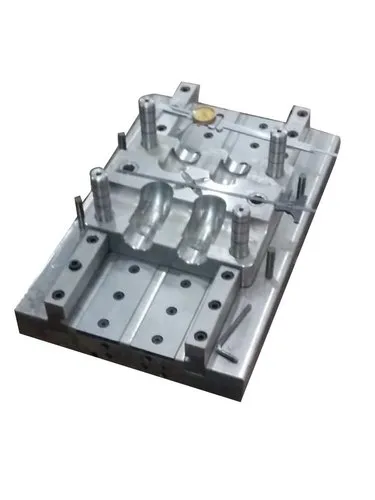
Custom mould development for educational institutions focuses on designing and manufacturing specialized moulds used in schools, colleges, universities, and training centers. These moulds are primarily used to produce educational tools, laboratory equipment, classroom accessories, and training models that enhance learning experiences.
Importance of Custom Moulds in Education
Educational institutions require tailored solutions that standard products cannot always fulfill. Custom moulds help in:
- Producing institution-specific teaching aids
- Supporting practical and hands-on learning
- Reducing long-term procurement costs
- Ensuring consistency in educational materials
- Customizing products based on curriculum needs
Applications of Custom Moulds
Custom moulds are widely used in various educational domains, including:
1. Classroom Accessories
- Pen stands, chalk boxes, and organizers
- Educational kits for primary and secondary students
- Storage bins and desk accessories
2. Laboratory Equipment
- Plastic lab ware (beakers, test tube holders, trays)
- Safety equipment components
- Custom experiment kits for science labs
3. Training Models and Prototypes
- Engineering and technical training models
- Medical training simulators
- Architectural and design prototypes
4. Educational Toys and Learning Aids
- Puzzle components and building blocks
- STEM kits and robotics parts
- Interactive learning tools
Design Considerations
Developing custom moulds for educational institutions requires careful planning:
1. User-Centric Design
- Age-appropriate ergonomics
- Safe edges and non-toxic materials
- Easy handling for students
2. Durability and Reusability
- High wear resistance for repeated use
- Long lifecycle to minimize replacement costs
3. Compliance and Safety
- Adherence to educational and safety standards
- Use of eco-friendly and non-toxic plastics
4. Cost Efficiency
- Optimized cavity design for mass production
- Material selection to balance cost and performance
Manufacturing Process
The development of custom moulds typically follows these steps:
- Requirement Analysis
Understanding institutional needs and application areas - Concept Design & CAD Modeling
Creating 2D/3D designs using CAD software - Material Selection
Choosing appropriate mould steel and plastic materials - Tool Fabrication
CNC machining, EDM, and polishing - Trial Runs & Testing
Initial production to validate design and quality - Production & Deployment
Full-scale manufacturing and delivery
Technological Advancements
Modern technologies are enhancing mould development:
- CAD/CAM integration for precision design
- 3D printing for rapid prototyping
- Automation and robotics for efficient production
- Smart moulds with sensors for quality monitoring
Challenges in Custom Mould Development
- Limited production volumes compared to industrial moulds
- Budget constraints in educational institutions
- Need for frequent design updates based on curriculum changes
- Balancing customization with standardization
Benefits
- Tailored solutions for specific learning outcomes
- Improved student engagement through hands-on tools
- Long-term cost savings
- Enhanced institutional branding with customized products
Future Trends
- Increased use of sustainable and biodegradable materials
- Integration of IoT-enabled learning tools
- Greater adoption of modular and multi-purpose mould designs
- Collaboration between institutions and manufacturers for innovation
Conclusion
Custom mould development plays a vital role in supporting modern education by enabling the creation of specialized tools and learning aids. By combining innovative design, advanced manufacturing technologies, and educational insights, manufacturers can deliver highly effective and cost-efficient solutions tailored to institutional needs.