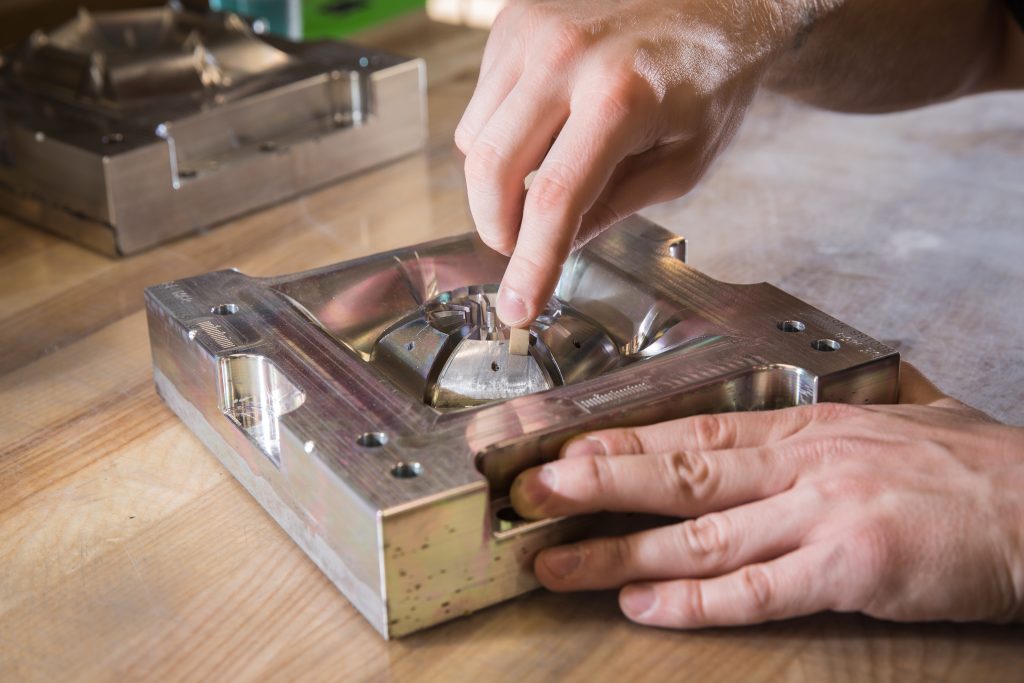
Injection moulding for stationery products—such as pens, rulers, markers, sharpeners, clips, and writing accessories—demands high aesthetic quality, dimensional accuracy, and consistent mass production. Even minor defects can affect product appearance, usability, and brand perception. Effective defect prevention starts at the design stage and continues through material selection, tooling, processing, and quality control.
Common Defects in Stationery Moulded Parts
Typical defects encountered in stationery injection moulding include:
Sink marks and warpage
Short shots
Flash
Flow lines and weld lines
Surface blemishes and gloss variation
Color inconsistency
Burrs and sharp edges
Preventing these defects requires a holistic approach across the entire moulding process.
Design-Stage Defect Prevention
Defect prevention begins with thoughtful product and mould design:
Uniform wall thickness to reduce sink marks and warpage
Proper draft angles to ensure smooth ejection without scratches
Rounded corners and fillets to improve material flow
Optimized rib and boss design to maintain strength without excess material
Adequate gate location and size to promote balanced filling
Early design simulation and flow analysis help identify potential problem areas before tooling is manufactured.
Material Selection and Handling
Material choice plays a crucial role in minimizing defects:
Use high-quality, consistent-grade thermoplastics such as ABS, PP, PS, or PC
Ensure proper drying of hygroscopic materials to prevent splay and bubbles
Maintain controlled regrind usage to avoid color variation and strength loss
Match material properties with functional and aesthetic requirements of stationery products
Mould Design and Tooling Quality
Well-engineered moulds significantly reduce defect risks:
Balanced runner systems for even cavity filling
Efficient venting to release trapped air and prevent burn marks
Precision cavity finishing for smooth, defect-free surfaces
Effective cooling channel layout to maintain uniform temperature
Robust ejection systems to avoid part deformation and marks
High-precision tooling ensures consistent output across high-volume production runs.
Process Parameter Optimization
Fine-tuning moulding parameters is essential for defect control:
Optimize injection speed and pressure to avoid flow marks and flash
Maintain correct melt and mould temperatures for stable material flow
Adjust holding pressure and cooling time to prevent sink marks and shrinkage
Monitor cycle consistency to ensure uniform part quality
Process validation and regular parameter audits help maintain long-term stability.
Quality Control and Monitoring
Preventive quality systems minimize defect recurrence:
In-process inspection for dimensional accuracy and surface finish
Statistical Process Control (SPC) to detect trends before defects escalate
Routine mould maintenance to prevent wear-related defects
Automated inspection for high-volume stationery components
Early detection reduces scrap rates and improves overall productivity.
Continuous Improvement and Best Practices
Defect prevention is an ongoing process:
Use root cause analysis to address recurring issues
Implement standard operating procedures (SOPs) for consistent production
Train operators on material behavior and mould handling
Incorporate feedback from downstream assembly and end-use performance
Conclusion
Defect prevention in stationery injection moulding is achieved through the integration of intelligent design, precise tooling, controlled processing, and proactive quality management. By addressing potential issues at every stage of production, manufacturers can deliver visually appealing, durable, and cost-effective stationery products with minimal rework and waste.