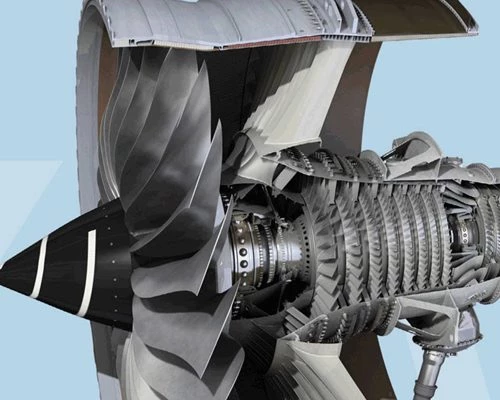
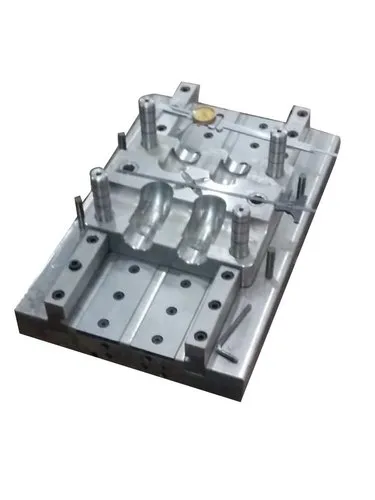
Electronic moulds are transforming the defence and aerospace manufacturing landscape by offering higher precision, real-time monitoring, improved reliability, and enhanced automation. These advanced moulds integrate sensors, microcontrollers, actuators, and data-driven systems to ensure superior performance in critical applications where accuracy, consistency, and safety are paramount.
1. Introduction
Defence and aerospace components demand extremely tight tolerances, high mechanical strength, and excellent reliability. Electronic moulds enable manufacturers to meet these standards by embedding electronics that monitor, control, and optimise the moulding process. With integrated smart technologies, production becomes more efficient and capable of delivering mission-critical parts.
2. Key Features of Electronic Moulds for Defence & Aerospace
High-Precision Control – Ensures exact dimensional accuracy for components used in aircraft, UAVs, missiles, and defence equipment.
Sensor Integration – Temperature, pressure, humidity, and vibration sensors allow continuous process monitoring.
Microcontroller-Based Automation – Allows automated cycle control, real-time decision making, and process corrections.
Enhanced Traceability – Digital logs allow full documentation of each production cycle, crucial for defence auditing.
Predictive Maintenance – Machine health monitoring reduces downtime and ensures consistent output for large defence orders.
Material Compatibility – Supports high-performance aerospace-grade materials such as PEEK, polyimides, carbon composites, and reinforced polymers.
3. Defence Applications of Electronic Moulds
a. Weapon System Components
Guidance system housings
Missile fin moulds
Connector and insulator parts
Radar system enclosures
Precision grips and housings for firearms
High reliability and precision are essential for operational safety, and electronic moulds ensure consistent quality across batches.
b. Communication & Surveillance Equipment
Antenna components
Satellite communication housings
Drone and UAV body parts
Real-time monitoring improves mould accuracy, which is critical for components that affect signal clarity and structural integrity.
c. Armoured Vehicle Components
Dashboard panels
Light-weight reinforced interior parts
Control module housings
Electronic moulds support the lighter, stronger materials now preferred in advanced defence vehicles.
4. Aerospace Applications of Electronic Moulds
a. Aircraft Interior and Structural Components
Lightweight seat frames
Airflow ducts and ventilation parts
Instrument panel housings
Electronic moulds help produce components with uniform wall thickness, improved durability, and flame-resistant properties.
b. UAV and Drone Manufacturing
Aerodynamic shells
Payload housings
Propeller component moulds
Precision moulding ensures stable flight performance and reduced vibration.
c. Satellite and Spacecraft Components
Sensor housings
Cable connectors
Structural polymer parts
These parts require stringent vacuum and radiation-resistant properties, achievable only through controlled moulding conditions.
5. Benefits of Using Electronic Moulds in Defence & Aerospace
Improved Accuracy and Repeatability – Ensures zero-defect manufacturing for mission-critical parts.
Reduced Lead Time – Automation and real-time optimisation shorten production cycles.
Lower Scrap Rate – Sensor-based monitoring reduces defects and material wastage.
Greater Safety Compliance – Data tracking meets aerospace and defence certification requirements.
Cost Efficiency – Though initially expensive, electronic moulds reduce long-term operational costs through precise and efficient production.
Enhanced Production Flexibility – Programmable settings allow quick changes for customised defence or aerospace components.
6. Future Trends
AI-driven moulding for predictive control
Digital twins to simulate defence-grade component production
Smart materials compatible with embedded sensors
Fully autonomous moulding lines for aerospace plants
These advancements will further strengthen reliability and scalability across defence and aerospace manufacturing sectors.
Conclusion
Electronic moulds play a pivotal role in modern defence and aerospace manufacturing by offering unmatched precision, traceability, and automation. As global security needs evolve and aerospace innovations accelerate, the integration of electronics in moulds will continue to enhance quality, safety, and efficiency across the industry.