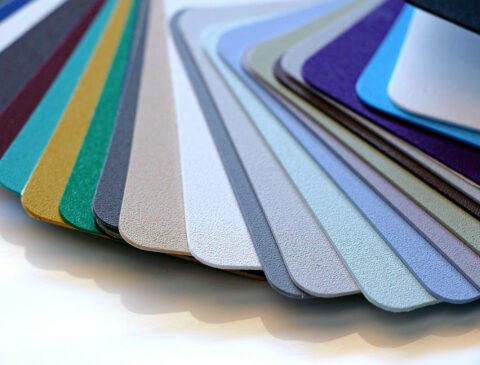
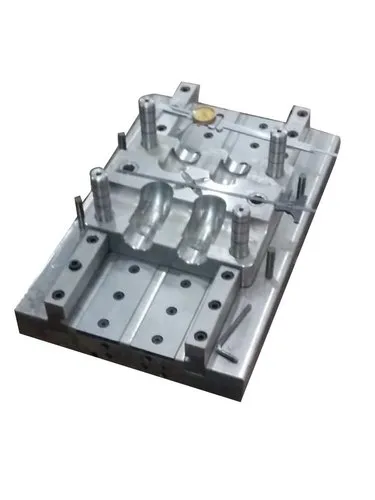
Durability and impact resistance are critical performance requirements for stationery products such as rulers, geometry boxes, pen bodies, files, clips, sharpeners, and school accessories. These products are subjected to frequent handling, dropping, bending, and daily wear, especially in school and office environments. Ensuring long service life while maintaining appearance and functionality depends on a combination of material selection, product design, and moulding technology.
Importance of Durability in Stationery Items
Stationery products are often used by children and students, making them prone to rough handling. Durable products reduce breakage, improve user safety, and minimize replacement costs. High durability also enhances brand reputation and supports sustainability by lowering material waste.
Material Selection for Impact Resistance
Choosing the right plastic material plays a major role in impact resistance:
Polypropylene (PP): Offers excellent flexibility and fatigue resistance, making it ideal for folders, boxes, and clips.
Acrylonitrile Butadiene Styrene (ABS): Known for high impact strength and rigidity, commonly used in geometry boxes and pen bodies.
Polycarbonate (PC): Provides superior impact resistance and toughness, suitable for transparent and high-stress stationery components.
High-Impact Polystyrene (HIPS): Used where moderate impact resistance and good surface finish are required.
Material additives such as impact modifiers and UV stabilizers further enhance product longevity and resistance to cracking.
Design Considerations for Enhanced Strength
Product design significantly influences durability:
Uniform wall thickness reduces stress concentration and prevents cracking.
Rounded edges and fillets improve impact absorption.
Reinforced ribs and structural supports enhance stiffness without increasing weight.
Snap-fit features are carefully designed to withstand repeated use without failure.
Role of Mould Design and Manufacturing
Precision mould design ensures consistent part quality and mechanical strength:
Proper gate placement promotes uniform material flow and reduces weak points.
Controlled cooling systems minimize internal stresses.
Optimized moulding parameters ensure complete filling and strong molecular bonding.
Advanced injection moulding techniques help achieve consistent impact-resistant properties even in high-volume production.
Testing and Quality Control
Stationery products undergo various tests to verify durability and impact resistance, including:
Drop and impact testing
Flexural and tensile strength testing
Environmental and aging tests
These tests ensure compliance with safety standards and reliable performance throughout the product’s lifecycle.
Sustainability and Long-Term Performance
Durable stationery products contribute to sustainability by extending product life and reducing plastic waste. Many manufacturers now combine impact-resistant materials with recyclable or recycled plastics to balance strength and environmental responsibility.
Conclusion
Durability and impact resistance are essential for producing high-quality stationery products that meet user expectations and safety requirements. Through careful material selection, smart design, precision moulding, and rigorous testing, manufacturers can deliver stationery items that are strong, reliable, and long-lasting while supporting sustainable production practices.