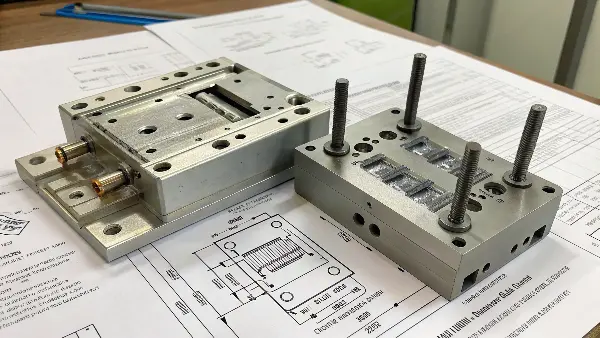
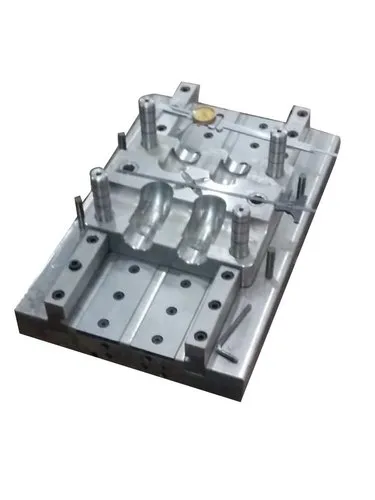
Electronic moulds play a critical role in the production of modern medical devices, supporting precision, consistency, and regulatory compliance. As medical technology advances, the demand for highly accurate and reliable plastic components has grown, making electronic mould systems an essential part of the industry.
1. Introduction
Medical device manufacturing requires extremely high precision and adherence to strict quality standards. Electronic moulds—integrated with sensors, digital controls, and automated systems—enhance moulding accuracy, minimize deviations, and ensure traceability. They are widely used in the production of syringes, inhalers, surgical components, diagnostic device parts, and more.
2. Key Features of Electronic Moulds in Medical Applications
a. High Precision and Repeatability
Electronic moulds use advanced sensors to monitor pressure, temperature, and cavity fill rates.
This ensures that each component is produced with exact dimensional accuracy.
Repeatability is critical for mass-produced devices such as disposable medical items.
b. Cleanroom Compatibility
Many electronic moulds are designed for ISO Class 7 or Class 8 cleanroom environments.
Smooth surfaces, reduced friction, and optimized mould flow help minimize particle generation.
c. Intelligent Temperature Control
Integrated electronic temperature-control systems maintain uniform heating and cooling.
Proper thermal management ensures stable material flow and prevents defects such as warping or shrinkage.
d. In-Mould Monitoring
Sensors embedded in the mould continuously track:
Injection pressure
Cavity temperature
Material viscosity
Cooling time
These readings help detect defects early and improve process control.
3. Applications in Medical Device Manufacturing
a. Disposable Medical Products
Components for syringes, vials, pipettes, and blood collection tubes rely on high-speed, multi-cavity electronic moulds.
Ensures consistent product quality for mass production.
b. Drug Delivery Devices
Inhaler components, insulin pen parts, and auto-injector casings are produced with high accuracy.
Electronics ensure precision tolerances for safe drug dosage and performance.
c. Diagnostic and Laboratory Equipment
Housing parts for analyzers, disposable cartridges, microfluidic components, and test kits.
Electronic moulds support complex geometries and tight tolerances.
d. Surgical and Implant-Related Devices
Handles, grips, casings, and instrument components.
Ensures high surface finish and consistent strength for critical tools.
4. Benefits of Using Electronic Moulds in the Medical Industry
a. Enhanced Product Quality
Continuous monitoring reduces defects such as warping, short shots, and flash.
Critical for high-value and safety-sensitive medical parts.
b. Faster Production Cycles
Automation and real-time corrections improve efficiency.
Shorter cooling times and optimized injection profiles help reduce cycle time.
c. Data Logging and Traceability
Electronic moulds record every cycle, parameter, and deviation.
Essential for meeting FDA, CE, and ISO 13485 regulatory requirements.
d. Reduced Material Waste
Real-time adjustments and optimized flow control minimize scrap rates.
Important for medical-grade polymers, which are often costly.
e. Lower Maintenance and Downtime
Predictive maintenance alerts reduce unexpected mould failures.
Sensors help identify wear and tear before it impacts production.
5. Technological Advancements in Electronic Moulds
a. Smart Moulds with IoT Integration
Cloud connectivity allows remote monitoring and optimization.
Supports Industry 4.0 implementation in medical manufacturing plants.
b. Micro-Moulding Capabilities
Electronic moulds can support micro-scale components used in:
Catheters
Microfluidic chips
Minimally invasive surgical devices
c. Servo-Driven Mould Functions
Servo actuators replace mechanical or hydraulic systems.
Enables precise control over core pulls, valve gates, and cavity movement.
d. Multi-Material and Overmoulding Technology
Electronic moulds support overmoulding for:
Soft-touch grips
Silicone coatings
Dual-material medical device components
6. Challenges and Considerations
a. High Initial Investment
Electronic moulds involve sophisticated technology, making them costlier initially.
b. Need for Skilled Technicians
Operation and maintenance require trained personnel in electronics and automation.
c. Regulatory Compliance
Mould materials and processes must comply with global medical standards (FDA, ISO 13485, GMP).
d. Validation and Documentation
Requires extensive process validation: IQ, OQ, PQ before production approval.
7. Conclusion
Electronic moulds are transforming medical device manufacturing by enabling precision, safety, and automation. Their integration with advanced monitoring systems, IoT tools, and servo technologies ensures consistent production quality while meeting stringent global healthcare regulations. As the medical industry grows, electronic moulds will continue to play a pivotal role in producing reliable and innovative medical devices.