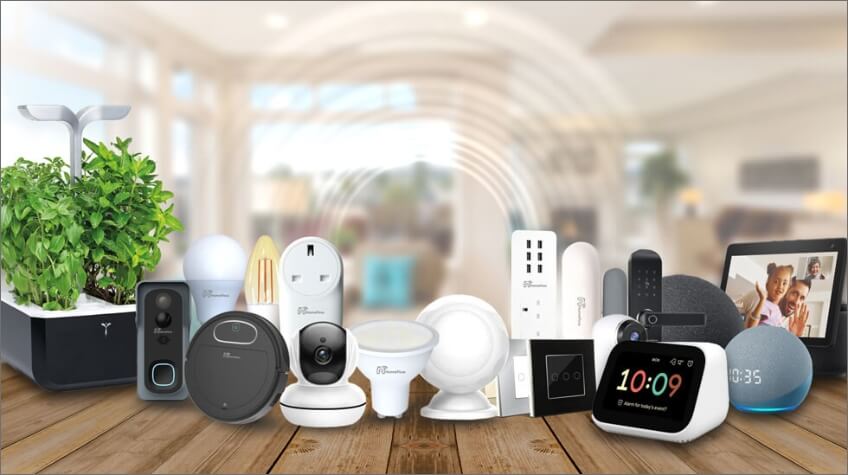
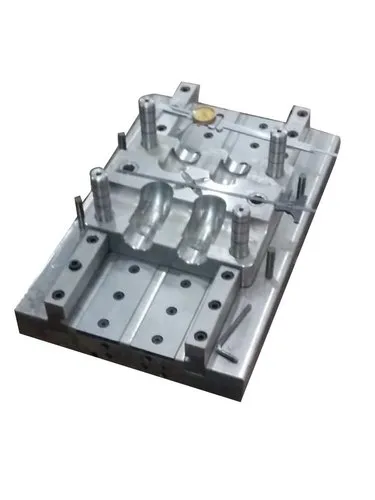
Electronic moulds play a crucial role in the manufacturing of smart home devices, where precision, miniaturization, and integration of electronics are essential. As smart homes continue to grow in popularity, the demand for high-performance moulds capable of housing advanced sensors, circuits, and connectivity components has increased significantly.
1. Introduction to Electronic Moulds in Smart Home Applications
Smart home devices—such as smart speakers, thermostats, security cameras, lighting controls, smart plugs, and door sensors—require compact, durable, and aesthetically appealing casings.
Electronic moulds are specialized tooling systems designed to manufacture these enclosures while accommodating embedded electronics, PCB mountings, cable routing, ventilation, and heat management features.
2. Key Requirements for Smart Home Device Moulds
a. High Dimensional Accuracy
Sensors and PCBs in smart devices require precise positioning. Electronic moulds ensure accurate tolerances for:
Component fit
Button alignment
Ports (USB, micro-USB, Type-C)
Speaker vents and microphone holes
b. Aesthetic and Ergonomic Design
Smart home devices appear in visible spaces, so moulds must support:
Smooth, scratch-resistant surfaces
Complex textures and patterns
Seamless part joining
Sleek contours and compact profiles
c. Integration of Electronic Features
Moulds are engineered to include:
Snap-fit systems for easy assembly
Mounting bosses for PCBs
Ventilation paths for heat dissipation
Light guides for LEDs
Openings for sensors (PIR, temperature, IR, motion)
3. Materials Commonly Used in Smart Home Device Moulding
Electronic moulds typically support materials that offer durability, insulation, and aesthetic finish. Common materials include:
ABS – High strength, good surface gloss
PC (Polycarbonate) – Good impact resistance and heat stability
PC+ABS blends – Balanced properties for premium-grade devices
Nylon – Used for parts requiring higher mechanical strength
TPU/TPE – Soft-touch components, buttons, and seals
4. Manufacturing Processes Supported by Electronic Moulds
a. Injection Moulding
The most common process, ideal for:
Complex geometries
Thin-wall enclosures
Mass-volume production
b. Overmoulding
Used to add:
Rubberized grips
Waterproof seals
Soft-touch surfaces
c. Insert Moulding
Integrates:
Metal inserts
PCB holders
Antenna supports
5. Applications of Electronic Moulds in Smart Home Devices
Electronic moulds are essential for manufacturing a wide range of devices, such as:
a. Smart Security and Surveillance
Camera housings
Video doorbells
Motion sensors
Glass-break sensors
b. Smart Lighting and Energy Management
Smart bulbs
Switch panels
Thermostats
Energy meters
c. Smart Entertainment and Control
Smart speakers
Remote controls
Home automation hubs
Voice-assistant devices
d. Smart Appliances
Air purifiers
Smart fans
Smart kitchen gadgets
6. Design Challenges and Considerations
a. Heat Dissipation
Smart devices generate heat due to processors and connectivity modules.
Moulds must incorporate:
Vent patterns
Airflow channels
Heat-resistant materials
b. EMI/ESD Protection
Electronic parts need shielding against electromagnetic interference; moulds accommodate areas for:
Shielding coatings
Conductive films
c. Miniaturization
As devices become smaller, moulds must be capable of producing:
Ultra-fine details
Thin walls
Micro-openings for sensors
7. Advancements in Electronic Moulding for Smart Home Devices
Precision CNC machining for micro-level detailing
Use of LSR (Liquid Silicone Rubber) for waterproofing
2K/3K moulding for multi-material housings
Rapid prototyping with 3D printing before mould finalization
Sensor-integrated moulds for real-time temperature and pressure monitoring
8. Benefits for Manufacturers
Faster assembly with mould-optimized internal architecture
Improved product durability and user appeal
Reduced production costs in large volumes
Compatibility with evolving IoT components
Enhanced overall product reliability
Conclusion
Electronic moulds are foundational to the development of modern smart home devices. By enabling precise, durable, and aesthetically pleasing enclosures, they support the rapid expansion of IoT-based home automation systems. As technology advances, the expectations for high-performance moulds will rise, making innovation in mould design crucial for future smart home products.