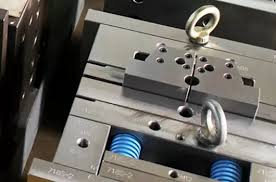
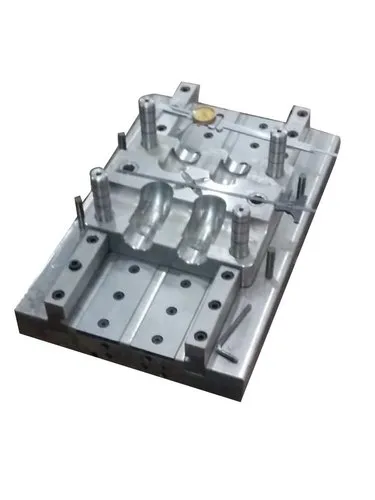
High-precision moulds play a critical role in the cosmetic packaging industry, where visual appeal, dimensional accuracy, surface finish, and consistency directly influence brand perception and product performance. Cosmetic containers such as lipstick cases, compact boxes, cream jars, bottles, caps, and pumps demand exceptionally tight tolerances and flawless aesthetics, making precision mould manufacturing essential.
Importance of High Precision in Cosmetic Moulds
Cosmetic packaging is both a functional and branding element. Any imperfection—such as flash, sink marks, uneven surfaces, or misalignment—can reduce product value. High-precision moulds ensure:
Accurate dimensions and tight tolerances
Smooth, mirror-like surface finishes
Perfect assembly of multi-component parts
Consistent part quality across large production volumes
Reduced post-processing and rejection rates
Key Features of High-Precision Cosmetic Moulds
Tight Tolerances: Typically maintained within ±0.01 mm to ensure perfect fitting of caps, closures, and moving components.
Superior Surface Finish: Polished, textured, or laser-engraved cavities provide premium appearance without secondary finishing.
Multi-Cavity and Stack Designs: Enable high-volume production while maintaining uniform quality.
Advanced Cooling Systems: Optimized cooling channels reduce cycle time and prevent warpage.
High-Quality Steel Selection: Materials such as P20, H13, DIN 1.2083, DIN 1.2316, and stainless steels ensure durability and corrosion resistance.
Precision Ejection Systems: Designed to avoid scratches or deformation on visible surfaces.
Applications in Cosmetic Packaging
High-precision moulds are widely used to manufacture:
Lipstick tubes and cases
Compact powder boxes
Cosmetic jars and cream containers
Perfume caps and closures
Lotion and serum bottles
Airless pump components
Mascara and eyeliner packaging
Materials Used for Precision Cosmetic Moulds
Mould Steels: Hardened and stainless steels for long tool life and surface quality
Plastics Processed: ABS, PP, PET, SAN, PMMA, and bio-based plastics
Coatings: PVD, chrome plating, or nitriding to enhance wear resistance and surface finish
Design Considerations for High-Precision Moulds
Uniform wall thickness to prevent sink marks
Proper gate location for smooth flow and minimal marks
Accurate parting line design to avoid visible seams
Draft angles optimized for easy ejection without surface damage
Compatibility with decorative processes like hot stamping, metallization, and silk screening
Manufacturing Technologies Used
CNC high-speed machining
EDM and wire-cut EDM
Precision grinding and polishing
CAD/CAM and mould flow analysis
3D inspection and CMM validation
Benefits of High-Precision Moulds
Enhanced brand aesthetics and premium product appearance
Improved production efficiency and reduced cycle time
Lower scrap rates and consistent quality
Longer mould life and reduced maintenance
Compatibility with automation and high-speed moulding machines
Quality Standards and Inspection
High-precision cosmetic moulds are developed in compliance with:
ISO quality management standards
Cosmetic packaging industry regulations
Dimensional inspection using CMM and optical measuring systems
Trial runs and validation for functional and visual quality
Future Trends in Precision Cosmetic Moulding
Increased demand for sustainable and recyclable materials
Integration of smart mould monitoring systems
Micro-precision moulding for compact and lightweight designs
High-gloss and complex surface textures
Customization and rapid product development cycles
Conclusion
High-precision moulds are the backbone of premium cosmetic packaging, ensuring flawless aesthetics, functional reliability, and consistent quality. As cosmetic brands continue to focus on differentiation, sustainability, and luxury appeal, the demand for advanced, precision-engineered moulds will continue to grow, driving innovation in mould design and manufacturing technologies.