1. Shift Toward Sustainable Materials
With increasing environmental regulations and consumer demand for eco-friendly products, the injection molding industry is embracing biodegradable polymers, recyclable thermoplastics, and bio-based resins. Innovations in materials like PLA, PHA, and recycled PET are being widely adopted to reduce carbon footprints.
2. Automation and Smart Manufacturing (Industry 4.0)
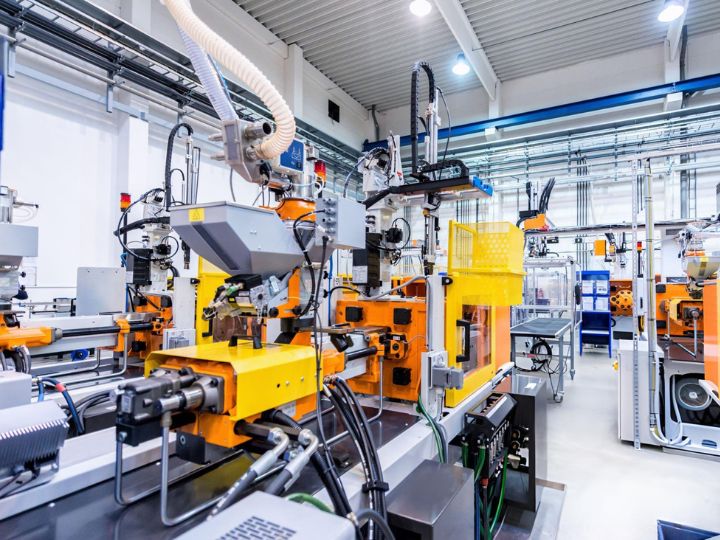
Automation is becoming more prominent with the integration of robotics, AI, and machine learning to improve cycle times, consistency, and defect detection. Smart sensors and IoT-enabled machinery provide real-time data analytics, enabling predictive maintenance and higher efficiency in operations.
3. Micro Injection Molding
As demand grows for miniature and precise parts in medical, electronics, and automotive sectors, micro injection molding is gaining traction. This technology allows for the creation of extremely small components with high precision and minimal material waste.
4. Increased Use of 3D Printing for Mold Prototyping
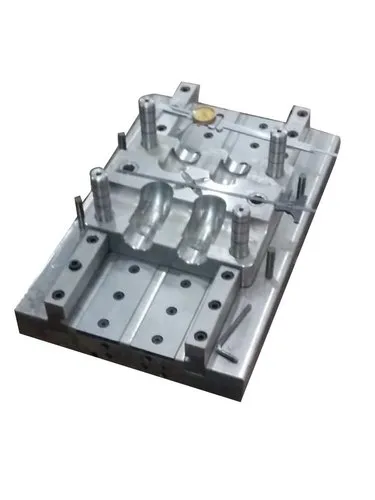
Additive manufacturing (3D printing) is revolutionizing mold production by enabling faster and cheaper prototyping. Companies can now test mold designs before full-scale production, reducing development time and costs.
5. Electric Injection Molding Machines
Electric machines are increasingly replacing hydraulic models due to their energy efficiency, precision, and cleaner operation. They are especially favored in industries requiring cleanroom environments such as medical and electronics.
6. Growth in Medical and Packaging Sectors
The medical device industry and packaging sector continue to be major growth areas. Injection molding is used to produce sterile, high-precision components like syringes, implants, and packaging containers. The demand has been amplified by innovations in single-use medical devices and sustainable packaging solutions.
7. Globalization and Regional Shifts
Asia-Pacific remains a leader in production capacity, especially China and India. However, there’s a noticeable trend of reshoring and nearshoring in North America and Europe, driven by supply chain concerns and geopolitical uncertainties.
8. Digital Twin Technology
The use of digital twins — virtual replicas of physical molding processes — is growing. This allows for simulation and optimization of production processes, helping reduce waste, improve product quality, and shorten time to market.
9. Customization and Shorter Product Life Cycles
Consumer demand for customized products and rapid innovation cycles, especially in consumer electronics and automotive interiors, are pushing manufacturers toward more flexible tooling and modular mold systems.
10. Regulatory and Compliance Pressures
Increasing regulations related to plastic waste, chemical safety, and workplace conditions are influencing design and manufacturing processes. Compliance with standards like REACH, RoHS, and FDA requirements is becoming critical.