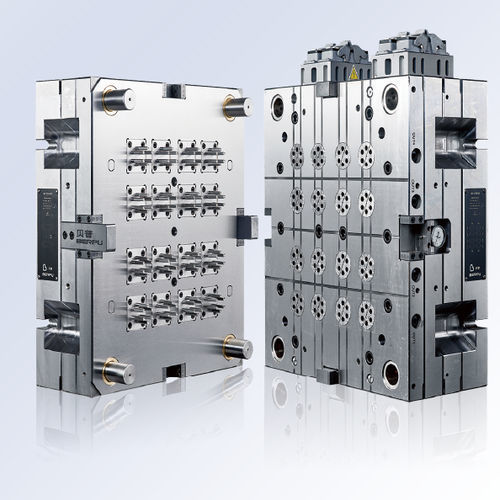
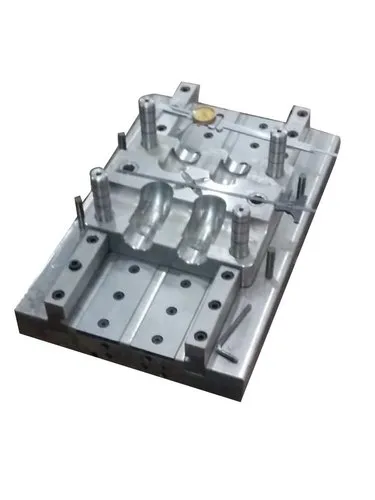
Injection moulding is one of the most widely used manufacturing processes in the medical device industry due to its ability to produce high-precision, repeatable, and contamination-free plastic components. The process involves injecting molten medical-grade polymers into a precisely engineered mould cavity, where the material cools and solidifies into the required shape.
Importance of Injection Moulding in Medical Devices
Medical devices demand extremely high standards of accuracy, hygiene, and reliability. Injection moulding fulfills these requirements by enabling:
Consistent dimensional accuracy
High-volume production with minimal variation
Compatibility with cleanroom manufacturing
Cost-effective mass production
Use of biocompatible and sterilizable materials
Common Medical Devices Produced by Injection Moulding
Injection moulding is used to manufacture a wide range of medical components, including:
Syringes and plungers
IV connectors and tubing components
Catheters and catheter hubs
Inhalers and drug delivery devices
Surgical instrument handles
Diagnostic device housings
Test kits and laboratory consumables
Implantable device components
Medical-Grade Materials Used
Selecting the right material is critical for safety and performance. Common medical-grade plastics include:
Polypropylene (PP) – Lightweight, chemical-resistant, and autoclavable
Polyethylene (PE) – Flexible and impact-resistant
Polycarbonate (PC) – High strength and transparency
ABS – Durable and easy to mould
Polyether Ether Ketone (PEEK) – High-temperature and implant-grade applications
Thermoplastic Elastomers (TPE) – Soft-touch and flexible parts
All materials must comply with medical standards such as USP Class VI and ISO 10993.
Injection Moulding Process for Medical Devices
Material Preparation – Medical-grade resin is dried and prepared to avoid contamination.
Injection – Molten plastic is injected into a high-precision mould.
Cooling – The part solidifies under controlled conditions.
Ejection – Finished components are ejected with minimal stress.
Inspection & Validation – Parts undergo dimensional and quality checks.
Cleanroom Manufacturing Requirements
Many medical moulded components are produced in cleanroom environments to prevent contamination. Typical cleanroom standards include:
ISO Class 7 or ISO Class 8 cleanrooms
Controlled temperature and humidity
HEPA filtration systems
Strict operator hygiene protocols
Quality and Regulatory Compliance
Medical injection moulding must adhere to strict regulatory requirements, including:
ISO 13485 (Quality Management System for Medical Devices)
FDA 21 CFR Part 820 (Quality System Regulation)
GMP (Good Manufacturing Practices)
Process validation (IQ, OQ, PQ)
Traceability and documentation
Advantages of Injection Moulding for Medical Applications
High precision and repeatability
Scalability from prototyping to mass production
Reduced material waste
Ability to create complex geometries
Enhanced product safety and reliability
Challenges in Medical Injection Moulding
Stringent regulatory compliance
Higher tooling and validation costs
Need for cleanroom facilities
Tight tolerance requirements
Material compatibility with sterilization methods
Future Trends in Medical Injection Moulding
Micro-injection moulding for minimally invasive devices
Use of bio-resorbable and sustainable polymers
Integration of electronics and sensors through over-moulding
Increased automation and Industry 4.0 adoption
Conclusion
Injection moulding plays a critical role in the medical device industry by enabling the production of safe, precise, and reliable components. With advancements in materials, automation, and cleanroom technologies, medical injection moulding continues to support innovation in healthcare while meeting the highest regulatory and quality standards.