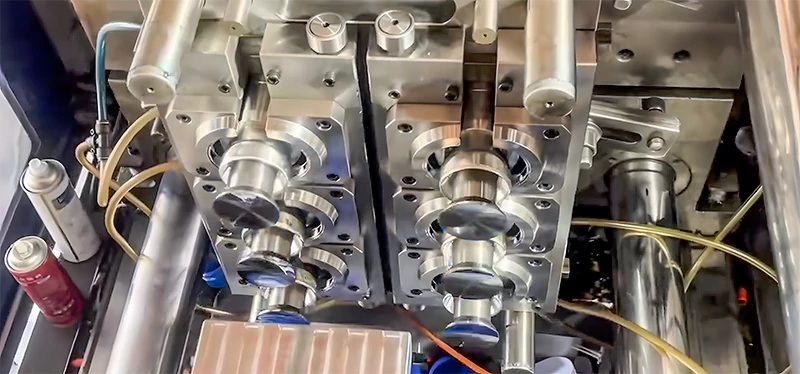
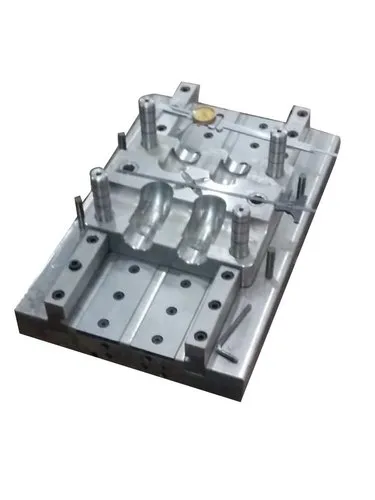
Injection moulding is the most widely used manufacturing process for producing high-quality cosmetic containers such as lipstick cases, cream jars, bottles, caps, closures, and dispensers. The process ensures excellent surface finish, dimensional accuracy, repeatability, and cost efficiency—critical requirements in the cosmetic packaging industry.
1. Overview of Injection Moulding in Cosmetic Packaging
Injection moulding involves melting thermoplastic material and injecting it into a precision-designed mould cavity, where it cools and solidifies into the desired container shape. Cosmetic brands prefer this process because it supports complex designs, decorative finishes, and mass production with consistent quality.
2. Materials Used for Cosmetic Containers
Selecting the right plastic material is crucial for aesthetics, safety, and performance. Common materials include:
Polypropylene (PP): Lightweight, chemical-resistant, and ideal for jars and caps
Polyethylene (HDPE / LDPE): Used for bottles and squeeze containers
PET & PETG: High clarity and gloss for premium cosmetic packaging
ABS: Rigid material suitable for luxury cosmetic components
SAN & Acrylic: Transparent materials with excellent surface finish
All materials used must comply with cosmetic safety and regulatory standards.
3. Mould Design Considerations
Mould design plays a vital role in achieving high-quality cosmetic containers:
Smooth cavity surfaces for premium finish
Proper gate location to avoid flow marks
Uniform wall thickness to prevent warpage and sink marks
Multi-cavity moulds for high-volume production
Hot runner systems to reduce material waste
Provision for inserts, threads, and decorative features
4. Injection Moulding Process Steps
The injection moulding process for cosmetic containers typically involves the following steps:
a. Material Feeding
Plastic granules are fed into the injection moulding machine through a hopper.
b. Melting
The material is heated in the barrel using heaters and rotating screws until it reaches a molten state.
c. Injection
The molten plastic is injected under high pressure into the mould cavity.
d. Cooling
The material cools and solidifies inside the mould, forming the cosmetic container shape.
e. Ejection
Once cooled, ejector pins push the finished container out of the mould.
5. Surface Finish and Aesthetic Enhancements
Cosmetic containers demand superior aesthetics. Injection moulding supports:
High-gloss or matte finishes
Textured surfaces
Transparent and colored parts
In-mould labeling (IML)
Metalized or painted surfaces
Embossed or engraved brand logos
6. Quality Control in Cosmetic Container Moulding
Strict quality checks ensure defect-free products:
Dimensional accuracy inspection
Visual inspection for flow lines, sink marks, and flash
Leak testing for bottles and jars
Color consistency checks
Functional testing of closures and threads
7. Advantages of Injection Moulding for Cosmetic Containers
High precision and repeatability
Excellent surface finish
Suitable for complex and premium designs
Cost-effective for mass production
Compatibility with automation
Minimal material waste
8. Sustainability and Eco-Friendly Practices
Modern injection moulding supports sustainable cosmetic packaging through:
Use of recyclable and bio-based plastics
Lightweight container designs
Energy-efficient moulding machines
Reduced scrap with hot runner systems
Compatibility with PCR (Post-Consumer Recycled) materials
9. Applications in the Cosmetic Industry
Injection moulded cosmetic containers are used for:
Lipstick and lip balm cases
Cream and lotion jars
Shampoo and conditioner bottles
Compact cases and palettes
Caps, pumps, and closures
Travel-size cosmetic packaging
10. Conclusion
The injection moulding process is essential for manufacturing cosmetic containers that meet the industry’s high standards for appearance, functionality, and safety. With precise mould design, suitable materials, and advanced moulding technology, manufacturers can produce durable, attractive, and sustainable cosmetic packaging that enhances brand value and consumer appeal.