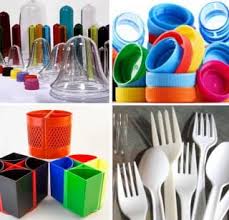
Injection moulding is one of the most widely used manufacturing processes for producing stationery items due to its ability to deliver high precision, consistent quality, and cost-effective mass production. Common stationery products such as pens, rulers, erasers, sharpeners, clips, folders, and geometry boxes are efficiently manufactured using this process.
1. Overview of Injection Moulding in Stationery Manufacturing
Injection moulding involves melting plastic granules and injecting the molten material into a specially designed mould cavity. Once cooled and solidified, the mould opens to eject the finished stationery component. The process is ideal for producing intricate shapes, smooth finishes, and durable products required in the stationery industry.
2. Common Materials Used for Stationery Items
Different stationery products require specific plastic materials based on strength, flexibility, transparency, and cost:
Polypropylene (PP): Used for folders, pen barrels, and boxes due to flexibility and chemical resistance
Polystyrene (PS): Suitable for rulers and trays requiring clarity and rigidity
ABS (Acrylonitrile Butadiene Styrene): Used for pen bodies, sharpeners, and clips for durability
Polyethylene (HDPE/LDPE): Used for caps, covers, and flexible items
PVC: Used in certain transparent or soft stationery products
3. Key Steps in the Injection Moulding Process
a. Material Feeding
Plastic granules are fed into the hopper of the injection moulding machine. Drying may be required for moisture-sensitive materials like ABS.
b. Melting and Plasticizing
The granules are heated and melted inside the barrel using heaters and a rotating screw to achieve a uniform molten state.
c. Injection
The molten plastic is injected under high pressure into the mould cavity, ensuring complete filling of fine details and thin walls common in stationery items.
d. Cooling
The plastic cools and solidifies inside the mould. Cooling time is carefully controlled to avoid warpage or shrinkage.
e. Ejection
Once solidified, the mould opens and ejector pins remove the finished stationery component.
4. Mould Design Considerations for Stationery Products
Multi-cavity moulds for high-volume production
Uniform wall thickness to reduce sink marks and warpage
Polished or textured surfaces for aesthetics and grip
Proper gate design to ensure smooth material flow
Efficient cooling channels to minimize cycle time
5. Quality Control in Stationery Injection Moulding
Quality checks ensure consistent and safe products:
Dimensional accuracy and fit
Surface finish and color consistency
Absence of defects such as flash, short shots, or sink marks
Functional testing (clip strength, cap fit, flexibility)
6. Advantages of Injection Moulding for Stationery Items
High production efficiency and repeatability
Low per-unit cost in mass production
Excellent surface finish and detailing
Wide range of material and color options
Minimal material wastage
7. Sustainability in Stationery Injection Moulding
Manufacturers increasingly use recycled plastics, bio-based polymers, and energy-efficient moulding machines to reduce environmental impact. Regrinding and reuse of runners further support sustainable production.
8. Applications of Injection Moulded Stationery Items
Ball pens and pen caps
Rulers and geometry sets
Pencil boxes and sharpeners
Clips, holders, and organizers
Educational kits and classroom accessories
Conclusion
The injection moulding process plays a crucial role in the efficient production of stationery items by offering precision, durability, and scalability. With proper material selection, mould design, and quality control, manufacturers can produce high-quality stationery products that meet educational, commercial, and consumer demands.