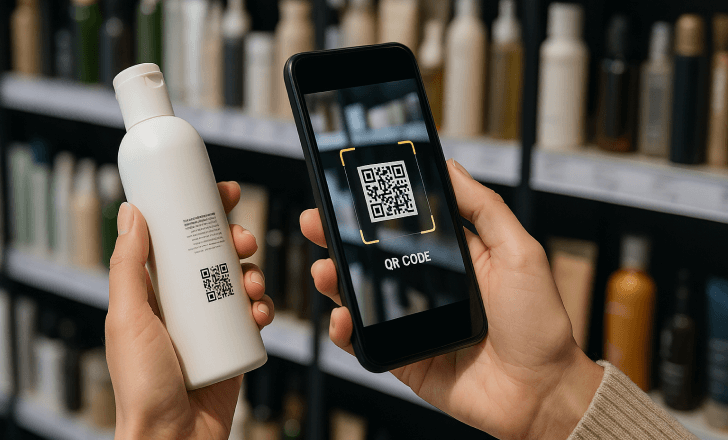
In the highly competitive cosmetics industry, innovation in packaging and product interaction plays a vital role in brand differentiation and consumer engagement. One emerging area of technological advancement is the integration of QR codes and Near Field Communication (NFC) into cosmetic moulds, offering both functional and marketing advantages.
1. Purpose of Integration
The integration of QR codes and NFC into cosmetic moulds serves multiple purposes:
Anti-counterfeiting: Ensures product authenticity and combats grey market sales.
Consumer engagement: Offers customers instant access to tutorials, promotions, and product information.
Supply chain tracking: Enables better traceability during manufacturing, logistics, and inventory management.
Smart packaging: Adds interactive, digital elements to otherwise static cosmetic containers.
2. QR Codes in Cosmetic Moulds
QR codes, when moulded or printed directly onto cosmetic packaging (e.g., lipstick tubes, compacts, or jars), provide scannable access to digital content.
Applications:
Product verification: Scanning the code confirms the product’s origin.
How-to videos: Links to tutorials tailored to the specific product.
Customer feedback: Direct access to review platforms or satisfaction surveys.
Loyalty programs: QR codes can track purchases and customer participation.
Technical Considerations:
Must ensure high contrast and precision in moulding or printing to maintain scannability.
Durability: The code should withstand handling, exposure to cosmetics, and cleaning agents.
Consider embedding on the bottom or side surfaces to maintain visual appeal.
3. NFC Integration in Cosmetic Packaging
NFC chips offer a more seamless and secure method for interacting with digital platforms—especially for high-end or luxury cosmetic products.
Applications:
One-tap authentication: Verifies product authenticity using a smartphone.
Smart refills: Alerts users when a product is running low and enables automatic reordering.
Interactive marketing: Offers dynamic content like AR experiences, personalized skincare routines, or virtual try-ons.
Data capture: Brands can gather insights on usage patterns and geographical distribution.
Technical Considerations:
Chip placement must be discreet and not interfere with product aesthetics.
Chips should be tamper-resistant and compliant with industry standards (e.g., ISO/IEC 14443).
Requires conductive-friendly materials or specialized inserts during moulding.
4. Manufacturing & Design Implications
Embedding QR codes and NFC into moulds requires collaboration between:
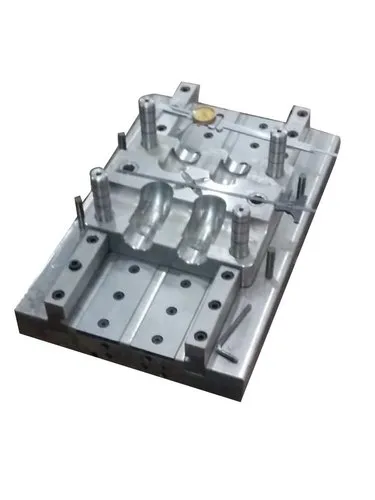
Tooling engineers: For precise engraving or chip housing in moulds.
Material scientists: To ensure compatibility with electronic components.
Design teams: To maintain branding and aesthetic consistency.
Innovative moulding techniques like multi-shot injection, in-mould labeling (IML), or laser etching can be used depending on the technology integrated.
5. Benefits to Brands and Consumers
| Brands | Consumers |
|---|---|
| Real-time consumer data | Easy access to product info |
| Enhanced brand loyalty | Assurance of authenticity |
| Reduced counterfeiting risks | Personalized digital experiences |
| Streamlined supply chain visibility | Eco-conscious options (smart refills) |