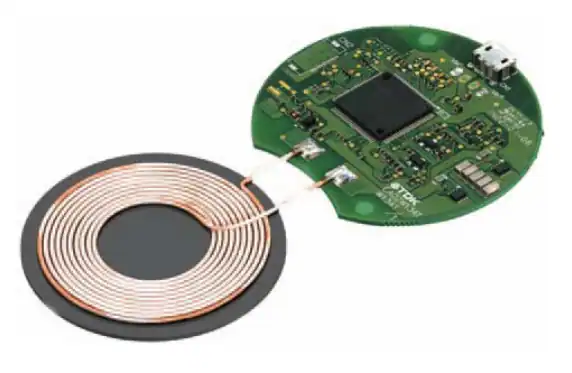
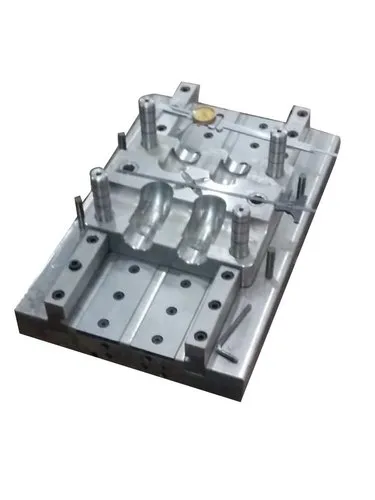
The integration of wireless charging modules through moulding technology is transforming the design and manufacturing of modern electronic products. By embedding charging components directly into moulded plastic parts, manufacturers can achieve compact designs, enhanced durability, and improved user experience.
1. Overview of Wireless Charging Technology
Wireless charging primarily operates on electromagnetic induction or resonant coupling, commonly based on standards such as Qi. A typical system includes:
Transmitter coil (charging pad)
Receiver coil (embedded in the device)
Control electronics and power management ICs
Successful integration requires precise alignment and minimal interference between the coils.
2. Role of Moulding in Wireless Charging Integration
Moulding enables seamless incorporation of wireless charging modules into device housings, eliminating the need for exposed connectors. Key moulding approaches include:
Insert moulding – Pre-assembled coils and electronics are placed in the mould before injection.
Overmoulding – Protective plastic layers are moulded over the wireless charging components.
In-mould assembly (IMA) – Charging elements are positioned and fixed during the moulding cycle.
3. Material Selection Considerations
Material choice is critical to ensure efficient power transfer and thermal stability:
Non-metallic, low-loss plastics (ABS, PC, PC-ABS blends)
Thermally stable polymers to dissipate heat generated during charging
EMI-compatible materials to reduce electromagnetic interference
Filled or reinforced plastics must be carefully evaluated to avoid signal attenuation.
4. Design and Engineering Challenges
Integrating wireless charging via moulding presents several technical challenges:
Coil alignment accuracy within tight tolerances
Wall thickness control to maintain charging efficiency
Heat management within enclosed moulded structures
Protection of electronics from injection pressure and temperature
Advanced CAD, Moldflow analysis, and electromagnetic simulation tools are often used to optimize designs.
5. Manufacturing Process Flow
A typical production workflow includes:
Design of mould-friendly wireless charging module
Pre-testing of charging efficiency
Precise placement of the module in the mould
Injection or overmoulding process
Post-mould electrical and thermal testing
Automation and vision systems are increasingly used for accurate module positioning.
6. Applications Across Industries
Mould-integrated wireless charging is widely adopted in:
Consumer electronics (smartphones, earbuds, wearables)
Automotive interiors (wireless charging pads, control consoles)
Medical devices (sealed, hygienic charging solutions)
Industrial IoT devices (rugged, waterproof enclosures)
7. Advantages of Mould-Integrated Wireless Charging
Fully sealed, water- and dust-resistant designs
Improved aesthetics and ergonomics
Reduced mechanical wear compared to plug-in connectors
Enhanced product reliability and lifespan
8. Quality, Testing, and Compliance
Manufacturers must ensure compliance with:
Wireless power standards (Qi, WPC)
EMI/EMC regulations
Thermal and environmental testing requirements
In-mould integration requires rigorous validation to maintain consistent charging performance.
9. Future Trends
Emerging trends include:
Thinner, flexible charging coils for complex moulded shapes
Integration with smart plastics and sensors
Multi-device and higher-power wireless charging
Use of sustainable and recyclable polymers
Conclusion
The integration of wireless charging modules via moulding represents a significant advancement in product design and manufacturing. By combining precision moulding techniques with wireless power technology, manufacturers can deliver robust, sealed, and user-friendly devices that meet the growing demand for cable-free charging solutions.