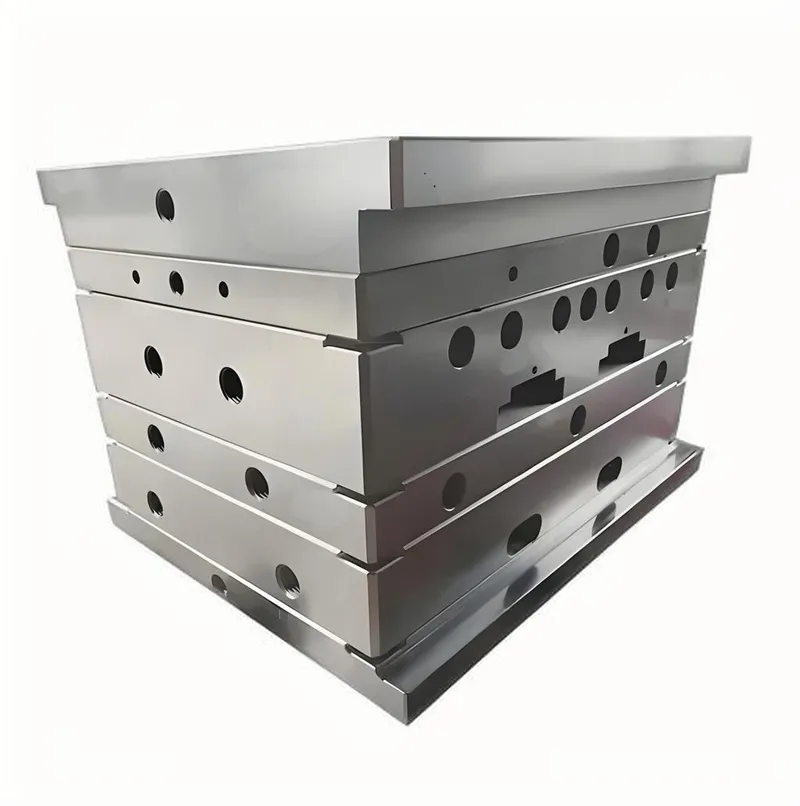
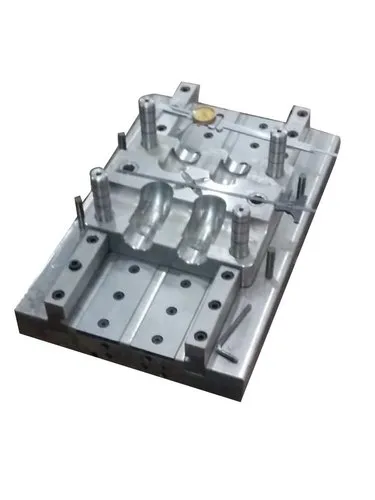
The automotive mould industry operates under stringent quality, safety, and consistency requirements. To meet the high expectations of OEMs and Tier-1 suppliers, mould manufacturers must comply with internationally recognized standards. Among the most critical are ISO standards and IATF 16949, which together define best practices for quality management, process control, and continuous improvement in automotive tooling and mould production.
1. Importance of Industry Standards in Automotive Moulding
Automotive moulds are used to manufacture safety-critical components such as dashboards, bumpers, connectors, housings, and under-the-hood parts. Non-compliance can lead to product failure, recalls, and financial loss. Industry standards ensure:
Consistent mould quality and dimensional accuracy
Process repeatability across production batches
Reduced defect rates and rework
Compliance with global OEM requirements
Improved customer confidence and traceability
2. ISO Standards Relevant to Automotive Moulds
a) ISO 9001 – Quality Management Systems
ISO 9001 is the foundational quality standard for mould manufacturers.
Key requirements:
Documented design and manufacturing processes
Risk-based thinking in mould design and production
Supplier evaluation and raw material traceability
Inspection, testing, and corrective action systems
Benefits for automotive moulds:
Improved consistency in mould performance
Better control over dimensional tolerances
Reduced customer complaints and rejects
b) ISO 14001 – Environmental Management Systems
This standard focuses on minimizing environmental impact during mould manufacturing.
Key aspects:
Waste reduction (scrap steel, coolant, plastics)
Energy efficiency in machining and heat treatment
Safe handling of chemicals and coatings
Relevance to automotive sector:
Many OEMs mandate ISO 14001 compliance to meet sustainability and ESG goals.
c) ISO 45001 – Occupational Health and Safety
Ensures safe working conditions in tool rooms and mould shops.
Key focus areas:
Safe operation of CNC machines and EDM
Handling of heavy moulds and lifting equipment
Reduction of workplace accidents
3. IATF 16949 – Automotive Quality Management Standard
Overview
IATF 16949 (formerly ISO/TS 16949) is the most critical standard for automotive mould suppliers. It is mandatory for organizations involved in the automotive supply chain.
Core Requirements:
Advanced Product Quality Planning (APQP)
Production Part Approval Process (PPAP)
Failure Mode and Effects Analysis (FMEA)
Statistical Process Control (SPC)
Measurement System Analysis (MSA)
Continuous improvement and defect prevention
4. Application of IATF 16949 in Mould Manufacturing
In automotive mould shops, IATF 16949 governs:
Mould design validation using DFMEA
Process control plans for machining, polishing, and assembly
Tool trials and sampling aligned with PPAP requirements
Traceability of mould steel, inserts, and components
Change management for design modifications
Compliance ensures moulds deliver consistent part quality throughout high-volume automotive production.
5. Supporting Automotive Standards
In addition to ISO and IATF, automotive mould manufacturers often follow:
VDA 6.3 – Process audits for automotive suppliers
AIAG Core Tools – APQP, PPAP, FMEA, SPC, MSA
OEM-specific standards (Volkswagen, BMW, Ford, Tata, Toyota, etc.)
Material and surface treatment standards for corrosion resistance and durability
6. Benefits of Compliance for Mould Manufacturers
Eligibility to supply global automotive OEMs
Improved mould life and performance consistency
Reduced warranty claims and rejections
Stronger process discipline and documentation
Enhanced global competitiveness
7. Challenges in Implementation
High documentation and audit requirements
Training costs for quality and production teams
Continuous monitoring and internal audits
Alignment with changing OEM expectations
However, long-term benefits far outweigh the initial investment.
8. Conclusion
Compliance with ISO standards and IATF 16949 is no longer optional for automotive mould manufacturers—it is a strategic necessity. These standards provide a structured framework for delivering high-precision, reliable, and durable moulds that meet the rigorous demands of the automotive industry. Adherence ensures not only regulatory compliance but also long-term business sustainability and customer trust.