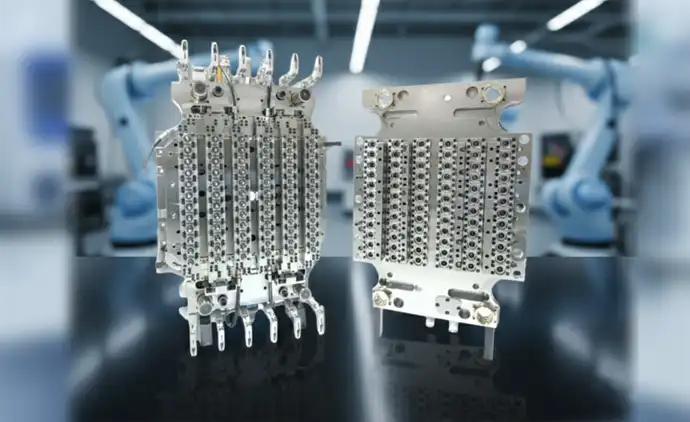
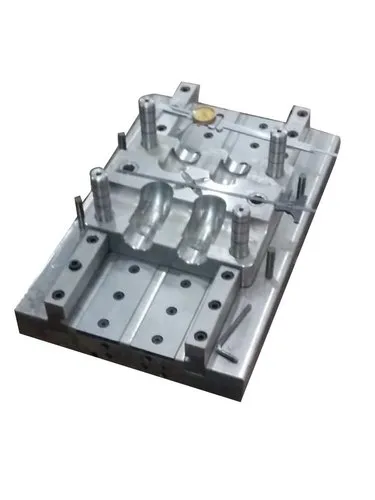
The cosmetic industry is increasingly focused on lightweight packaging solutions to reduce material consumption, lower production costs, and improve sustainability without compromising aesthetics or functionality. Advanced mould design plays a critical role in achieving these goals by enabling thinner walls, optimized structures, and consistent high-quality output.
Importance of Lightweight Cosmetic Packaging
Lightweight cosmetic packaging helps brands minimize plastic usage and carbon footprint while reducing transportation costs. Consumers also favor eco-conscious packaging that aligns with sustainability commitments. However, achieving lighter packaging requires precise mould engineering to maintain strength, appearance, and usability.
Advanced Mould Design Techniques
1. Thin-Wall Moulding Technology
Advanced thin-wall moulding allows cosmetic containers to be produced with reduced wall thickness while retaining rigidity. High-precision tooling, controlled cooling systems, and high-speed injection enable uniform material distribution and prevent warpage or sink marks.
2. Optimized Rib and Geometry Design
Strategically placed ribs, bosses, and contours enhance structural strength without adding extra material. Computer-aided design (CAD) and simulation tools help identify stress points and optimize geometry for lightweight performance.
3. Mold Flow Analysis and Simulation
Mold flow analysis is essential for predicting material behavior, flow patterns, and cooling efficiency. By simulating the injection process, mould designers can reduce material usage, improve filling balance, and avoid defects such as short shots or uneven thickness.
4. High-Precision Mould Manufacturing
Tight tolerances and precision machining ensure consistent wall thickness across cosmetic packaging components. This precision is crucial for lightweight designs, where even small variations can affect product quality and performance.
5. Advanced Cooling and Venting Systems
Efficient cooling channels and micro-venting improve cycle times and part stability. Uniform cooling minimizes internal stress, allowing thinner and lighter cosmetic packaging to be produced reliably at high volumes.
Material Compatibility and Sustainability
Advanced mould designs are compatible with lightweight-friendly materials such as PP, PET, HDPE, and bio-based or recycled plastics. Proper gate design and flow control help maintain surface finish and clarity, especially for premium cosmetic packaging.
Benefits of Advanced Lightweight Mould Design
Reduced raw material consumption
Lower production and logistics costs
Improved sustainability and reduced carbon footprint
High aesthetic quality with consistent wall thickness
Faster cycle times and higher productivity
Applications in Cosmetic Packaging
Lightweight mould designs are widely used in lipstick tubes, compact cases, bottles, jars, caps, and closures. These solutions support modern cosmetic branding by combining sleek design with functional durability.
Conclusion
Lightweight cosmetic packaging through advanced mould design offers a strategic advantage for cosmetic brands and manufacturers. By leveraging precision engineering, simulation technology, and optimized tooling, manufacturers can deliver sustainable, cost-effective, and visually appealing cosmetic packaging that meets evolving market and environmental demands.