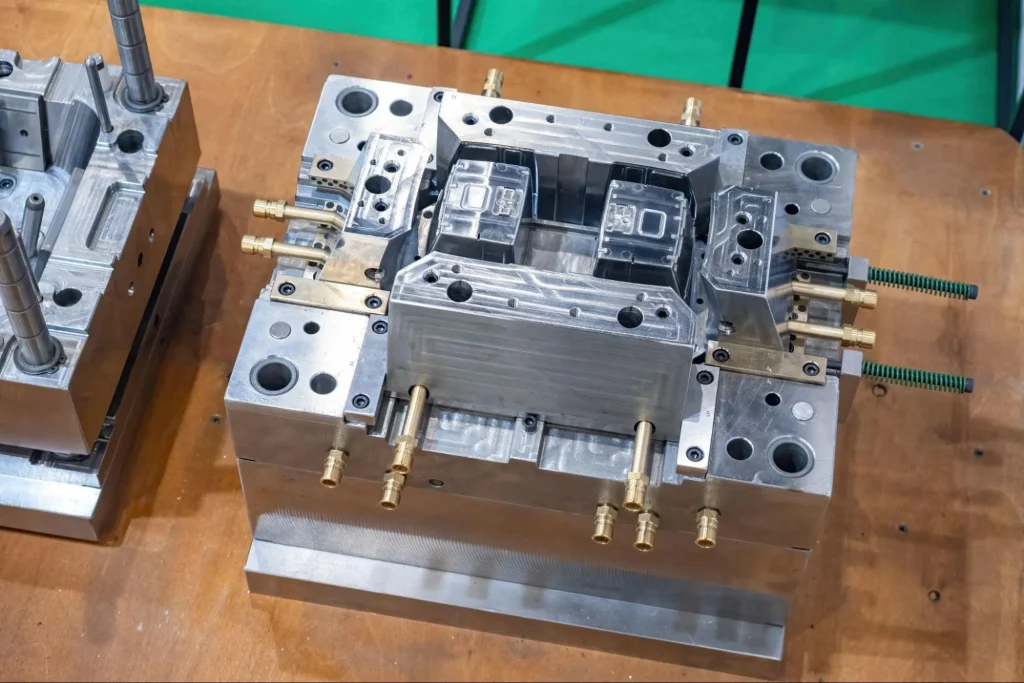
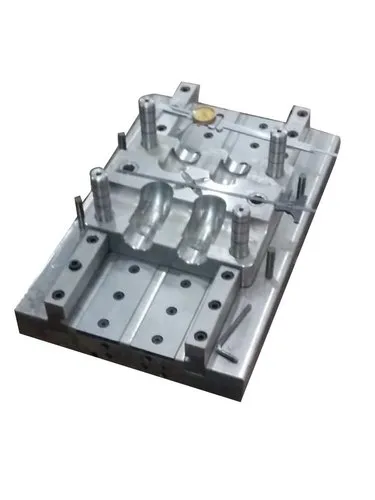
Cosmetic moulds are critical assets in the manufacturing of products such as caps, containers, lipstick cases, compact cases, and other aesthetic packaging components. Due to the high emphasis on surface finish, precision, and visual appeal, maintaining these moulds and managing their lifecycle effectively is essential for ensuring consistent quality, productivity, and cost efficiency.
1. Importance of Maintenance in Cosmetic Moulds
Unlike standard industrial moulds, cosmetic moulds often require:
- High-gloss or textured finishes
- Tight dimensional tolerances
- Complex geometries
Regular maintenance helps to:
- Preserve surface quality and aesthetics
- Prevent defects like scratches, flow marks, and flash
- Extend mould lifespan
- Reduce downtime and production losses
2. Types of Maintenance
a. Preventive Maintenance
Performed at scheduled intervals regardless of mould condition.
Key Activities:
- Cleaning cavities, cores, and vents
- Lubrication of moving parts (slides, lifters, ejector pins)
- Inspection of cooling channels for blockages
- Checking alignment and fasteners
Benefits:
- Reduces unexpected breakdowns
- Maintains consistent product quality
b. Predictive Maintenance
Based on monitoring mould performance and wear trends.
Techniques:
- Cycle count tracking
- Monitoring part quality deviations
- Thermal analysis of mould temperature
- Use of sensors in advanced moulds
Benefits:
- Maintenance performed only when needed
- Minimizes unnecessary servicing
c. Corrective Maintenance
Carried out after defects or failures occur.
Examples:
- Repairing worn-out cavities
- Replacing damaged ejector pins
- Fixing cooling system leaks
Drawback:
- Leads to unplanned downtime and higher costs
3. Key Maintenance Procedures
a. Cleaning and Surface Care
- Use non-abrasive cleaning agents to protect polished surfaces
- Avoid scratching mirror-finish cavities
- Remove residue from plastics, additives, or colorants
b. Lubrication
- Apply appropriate lubricants to moving components
- Avoid over-lubrication to prevent contamination
c. Inspection and Measurement
- Check for wear, corrosion, and misalignment
- Measure critical dimensions periodically
- Inspect venting systems to avoid air traps
d. Cooling System Maintenance
- Flush cooling channels to remove scale or deposits
- Ensure uniform temperature distribution
4. Wear and Life Cycle Factors
Several factors influence the life of cosmetic moulds:
- Material Selection: High-quality tool steels (e.g., hardened stainless steel) resist corrosion and wear
- Production Volume: Higher cycles increase wear
- Plastic Material Used: Abrasive or filled materials accelerate degradation
- Process Parameters: High pressure and temperature impact mould life
- Surface Finish Requirements: Glossy finishes require more frequent maintenance
5. Refurbishment and Reconditioning
Over time, moulds may require refurbishment to restore performance:
- Polishing and re-texturing of cavities
- Re-coating (e.g., chrome plating, PVD coating)
- Re-machining worn areas
- Replacement of standard components
Advantages:
- Extends mould life
- Reduces need for new mould investment
6. Life Cycle Management Strategy
a. Lifecycle Stages
- Design and Manufacturing
- Production and Operation
- Maintenance and Repair
- Refurbishment
- End-of-Life or Replacement
b. Documentation and Traceability
- Maintain maintenance logs
- Track cycle counts and repairs
- Record material and process changes
c. Spare Parts Management
- Maintain inventory of critical components
- Use standardized parts for quick replacement
7. Storage and Handling
Proper storage is crucial when moulds are not in use:
- Apply anti-corrosion coatings
- Store in dry, temperature-controlled environments
- Use protective covers to prevent dust and damage
- Avoid improper stacking or handling
8. Role of Automation and Technology
Modern mould maintenance is enhanced by:
- IoT-enabled sensors for real-time monitoring
- Automated cleaning systems
- Predictive analytics for maintenance scheduling
- Digital lifecycle management systems
9. Cost Optimization
Effective maintenance and lifecycle management help:
- Reduce repair and replacement costs
- Improve production efficiency
- Minimize rejection rates
- Maximize return on investment (ROI)
Conclusion
Maintenance and lifecycle management of cosmetic moulds are vital for ensuring high-quality production and long-term operational efficiency. A well-planned strategy combining preventive, predictive, and corrective maintenance, along with proper documentation and storage, can significantly extend mould life and maintain the aesthetic standards required in cosmetic packaging.