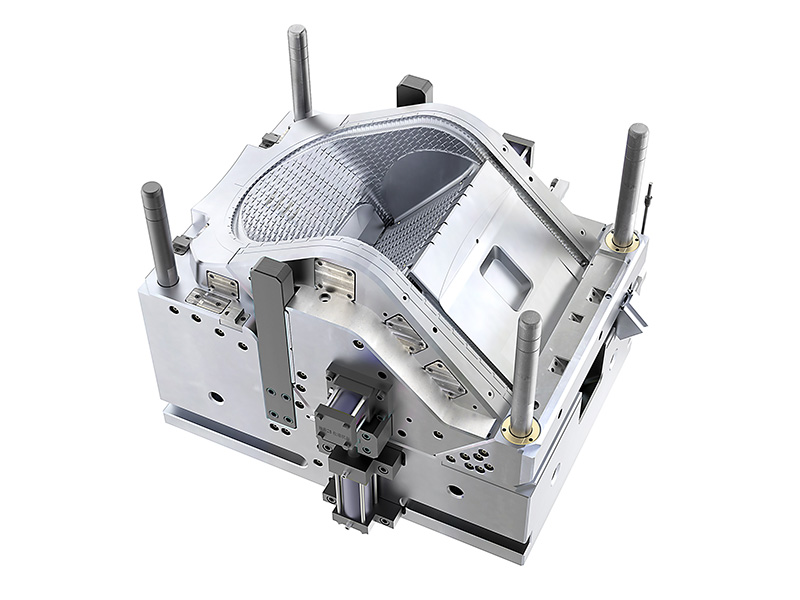
Proper maintenance of plastic furniture moulds is essential to ensure long service life, consistent product quality, and reduced production downtime. Since furniture moulds operate under high pressure and temperature conditions, systematic care and periodic checks can significantly extend their operational lifespan.
1. Importance of Mould Maintenance
Ensures consistent quality: Well-maintained moulds produce parts with accurate dimensions, smooth finish, and uniform strength.
Reduces downtime: Preventive maintenance helps avoid unexpected breakdowns that can halt production.
Extends mould life: Regular cleaning and lubrication minimize wear, corrosion, and mechanical stress.
Improves efficiency: Clean cooling channels and ejector mechanisms enhance cycle time and reduce energy consumption.
2. Types of Mould Maintenance
a. Routine (Daily/Shift-wise) Maintenance
Performed during normal production operations.
Cleaning of cavities, cores, and vents
Removing product residues and dust
Checking ejector pins for smooth movement
Ensuring cooling water flow and no leakage
Applying appropriate lubricants
b. Preventive (Scheduled) Maintenance
Based on production hours or shot count.
Polishing cavity and core surfaces
Checking wear on sliders, inserts, and guide pins
Inspecting alignment of mould plates
Tightening bolts and fasteners
Cleaning and descaling cooling channels
Assessing hydraulic or pneumatic systems
c. Corrective (Repair) Maintenance
Necessary when the mould shows defects or stops functioning properly.
Repairing damaged cores, cavity dents, or broken inserts
Replacing worn ejector pins and bushings
Fixing alignment issues
Welding and re-machining worn surfaces
3. Key Maintenance Areas
1. Cavity and Core Surfaces
Regular cleaning to prevent carbonisation and deposit build-up
Polishing to maintain part surface quality
Protecting from corrosion using anti-rust sprays during storage
2. Ejection System
Ensuring smooth action of ejector pins, sleeves, and lifters
Checking for burrs or wear that may cause sticking
Lubricating moving components with high-temperature grease
3. Cooling Channels
Flushing channels with descaling agents to remove mineral deposits
Checking for blockages to maintain optimal cooling efficiency
Preventing rust through corrosion inhibitors
4. Parting Line
Inspecting for damage or wear that may cause flash
Cleaning vent grooves
Ensuring proper alignment of mould halves
5. Guide Elements
Checking guide pillars, bushings, and leader pins for wear
Re-lubricating to ensure mould closes smoothly
4. Mould Storage Guidelines
Clean and dry the mould thoroughly before storing
Apply rust-preventive spray on all metal surfaces
Seal water lines to prevent dust and moisture entry
Store moulds in controlled environment away from humidity
Maintain a storage log with details of last maintenance and next due service
5. Best Practices for Long Mould Life
Follow shot-counter-based preventive maintenance schedules
Use high-quality lubricants and cleaning agents
Avoid excessive clamp force during injection
Conduct regular dimensional checks of mould components
Train operators and technicians on correct mould handling
Use protective covers during downtime
6. Documentation and Record Keeping
Maintaining accurate records helps in early detection of recurring issues. Logs should include:
Maintenance date and tasks performed
Shot count since last maintenance
Issues identified and parts replaced
Next scheduled maintenance
Conclusion
Consistent and well-planned maintenance of plastic furniture moulds ensures reliable production, minimizes operational costs, and significantly extends mould lifespan. By implementing daily cleaning, regular inspection, and preventive maintenance schedules, manufacturers can achieve higher productivity and superior product quality.