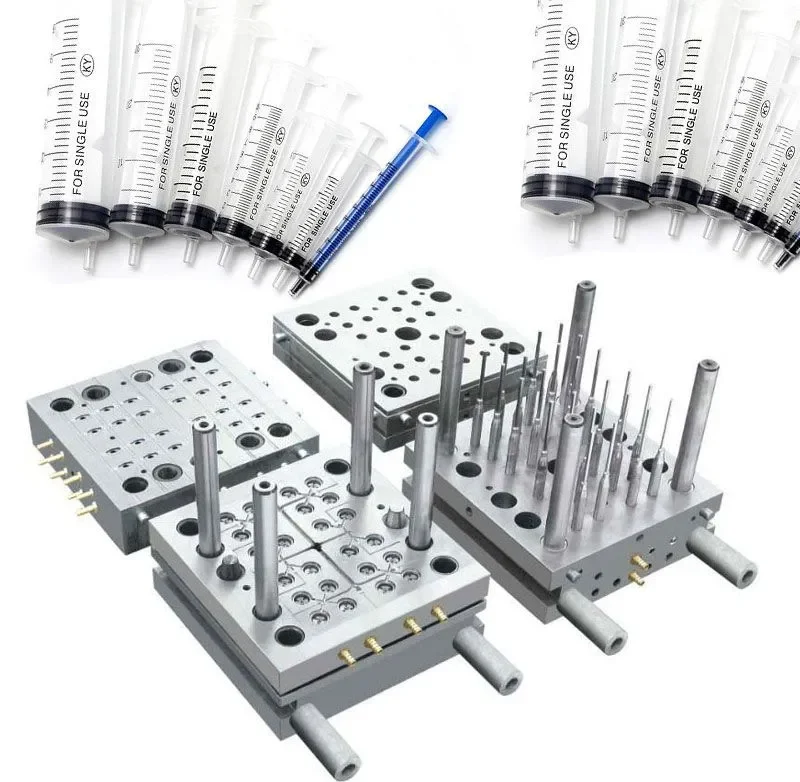
Medical-grade plastics play a critical role in the manufacturing of healthcare moulds due to their safety, durability, chemical resistance, and compliance with stringent regulatory standards. These materials are specifically engineered to meet medical industry requirements such as biocompatibility, sterilization compatibility, and precision mouldability.
Key Requirements of Medical-Grade Plastics
Medical plastics used in healthcare moulds must fulfill the following criteria:
Biocompatibility (ISO 10993, USP Class VI compliance)
High dimensional stability and precision
Resistance to chemicals and bodily fluids
Sterilization compatibility (Autoclave, EtO, Gamma, E-beam)
Low extractables and leachables
Consistency and traceability for regulatory approval
Common Medical-Grade Plastics Used in Healthcare Moulds
1. Polypropylene (PP)
Lightweight and cost-effective
Excellent chemical resistance
Suitable for syringes, specimen containers, and disposable medical items
Compatible with steam and EtO sterilization
2. Polyethylene (PE – HDPE & LDPE)
Flexible and impact-resistant
Low moisture absorption
Used in tubing, bottles, and medical packaging
Good resistance to chemicals and solvents
3. Polycarbonate (PC)
High clarity and strength
Excellent dimensional accuracy
Used in oxygenators, blood filters, and transparent housings
Withstands gamma and EtO sterilization
4. Polyvinyl Chloride (PVC – Medical Grade)
Flexible or rigid depending on formulation
Widely used in IV bags, tubing, and catheters
Good clarity and cost efficiency
Requires controlled plasticizer selection for safety
5. Acrylonitrile Butadiene Styrene (ABS)
High impact strength and toughness
Good surface finish and mouldability
Used in medical device housings and diagnostic equipment enclosures
Limited sterilization methods (typically EtO)
6. Polystyrene (PS)
High clarity and rigidity
Ideal for diagnostic labware such as Petri dishes and test tubes
Cost-effective for single-use products
Limited heat resistance
7. Thermoplastic Elastomers (TPE & TPU)
Rubber-like flexibility with thermoplastic processing
Used for seals, grips, and soft-touch medical components
Excellent biocompatibility and comfort
Compatible with over-moulding processes
8. Polyether Ether Ketone (PEEK)
High-performance engineering plastic
Excellent mechanical strength and heat resistance
Used in surgical instruments and implantable components
Withstands repeated autoclave sterilization
9. Polyphenylsulfone (PPSU) & Polysulfone (PSU)
High thermal stability and impact resistance
Resistant to repeated sterilization cycles
Used in reusable medical devices and connectors
Transparent and durable
Role of Injection Moulding in Medical Plastics
Injection moulding is the preferred manufacturing method for medical-grade plastics due to:
High precision and repeatability
Cleanroom compatibility
Ability to produce complex and micro-sized components
Scalability for mass production
Regulatory Compliance and Quality Standards
Healthcare moulds and materials must comply with:
ISO 13485 – Quality management systems
FDA (21 CFR) regulations
USP Class VI testing
ISO 10993 – Biocompatibility testing
GMP guidelines
Advantages of Using Medical-Grade Plastics in Healthcare Moulds
Reduced risk of contamination
Lightweight and corrosion-free
Cost-effective compared to metals
Design flexibility and complex geometry support
High production efficiency
Conclusion
Medical-grade plastics are essential materials in modern healthcare mould manufacturing. Selecting the right plastic ensures patient safety, regulatory compliance, and long-term performance of medical devices. With advances in polymer technology and precision moulding, medical plastics continue to drive innovation in the healthcare industry.