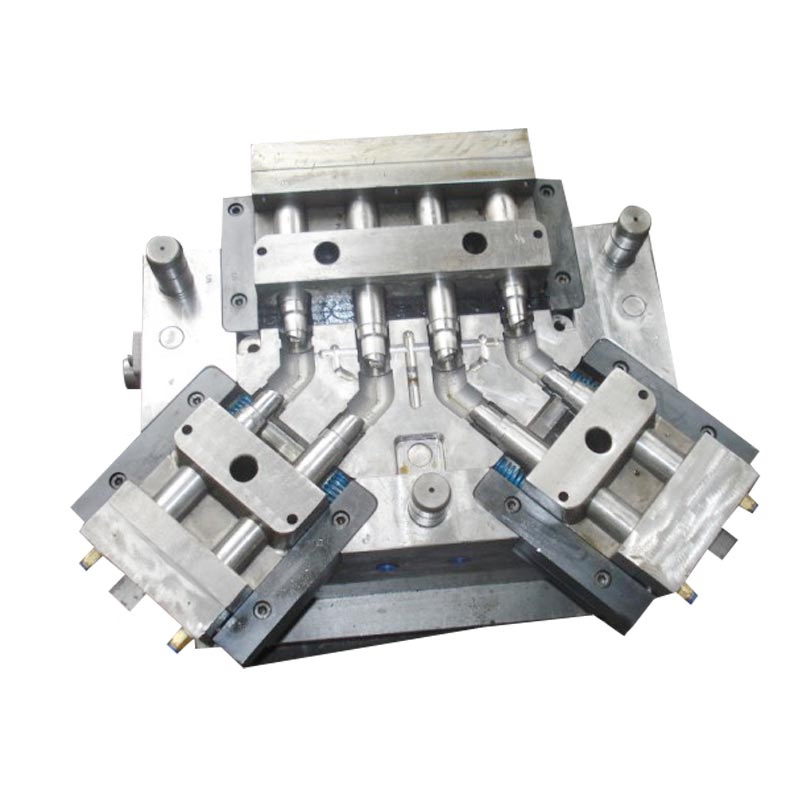
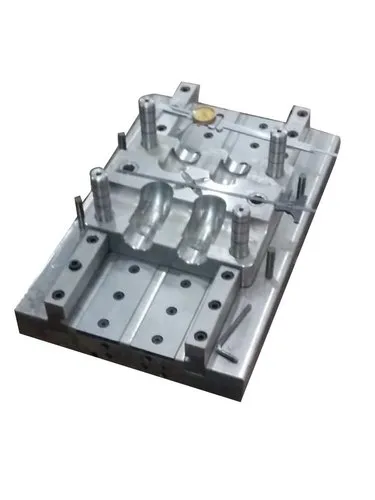
Medical tubing and connectors are critical components used in fluid transfer, drug delivery, respiratory systems, and diagnostic equipment. The moulds used to manufacture these components must meet extremely high standards of precision, cleanliness, and regulatory compliance to ensure patient safety and reliable performance.
Importance of Medical Tubing and Connectors
Medical tubing and connectors are widely used in applications such as IV infusion sets, catheters, dialysis systems, blood collection devices, and ventilator circuits. These parts must provide leak-free connections, consistent internal diameters, and compatibility with medical-grade materials, making mould design and manufacturing highly specialized.
Design Considerations for Tubing and Connector Moulds
High Dimensional Accuracy: Tight tolerances are required to ensure proper fit, secure connections, and smooth fluid flow without leakage or blockage.
Smooth Internal Surfaces: Mirror-polished cores and cavities help minimize flow resistance, prevent contamination, and reduce the risk of bacterial growth.
Complex Geometries: Luer locks, barbed connectors, Y-connectors, and multi-port fittings require advanced mould design and precise machining.
Material Shrinkage Control: Accurate allowance for material shrinkage is essential to maintain consistent internal diameters and wall thicknesses.
Materials Used in Medical Tubing and Connector Moulds
Medical tubing and connectors are typically moulded using biocompatible and sterilizable polymers such as:
Polypropylene (PP)
Polyethylene (PE)
Polycarbonate (PC)
Thermoplastic Elastomers (TPE)
Medical-grade PVC
The mould steel selection, often stainless steel or corrosion-resistant tool steels, is critical to withstand repeated sterilization processes and aggressive cleaning agents.
Mould Types and Technologies
Multi-Cavity Moulds: Used for high-volume production of standardized connectors to improve productivity and cost efficiency.
Hot Runner Systems: Reduce material waste and ensure consistent melt flow, especially important for small and thin-walled connector components.
Insert and Overmoulding: Enables the combination of rigid connectors with soft seals or flexible tubing interfaces.
Micro Moulding: Applied for very small connectors and precision components used in minimally invasive devices.
Quality and Regulatory Requirements
Medical tubing and connector moulds must support manufacturing processes compliant with international standards such as ISO 13485 and GMP. Consistent part quality, traceability, and validation (IQ, OQ, PQ) are essential. Moulds must also be designed to operate in cleanroom environments without generating contaminants.
Challenges in Manufacturing
Maintaining consistent internal diameters across large production volumes
Preventing flash, short shots, and weld lines in critical sealing areas
Achieving high surface finish in narrow and deep flow channels
Ensuring long mould life while meeting strict hygiene requirements
Benefits of High-Quality Medical Tubing and Connector Moulds
Reliable, leak-free medical connections
Improved patient safety and device performance
High production efficiency with minimal rejection rates
Compliance with global medical regulations
Conclusion
Medical tubing and connector moulds play a vital role in the healthcare industry by enabling the mass production of safe, precise, and reliable medical components. Advanced mould design, high-quality materials, and strict quality control ensure that these critical parts meet the demanding standards of modern medical applications.