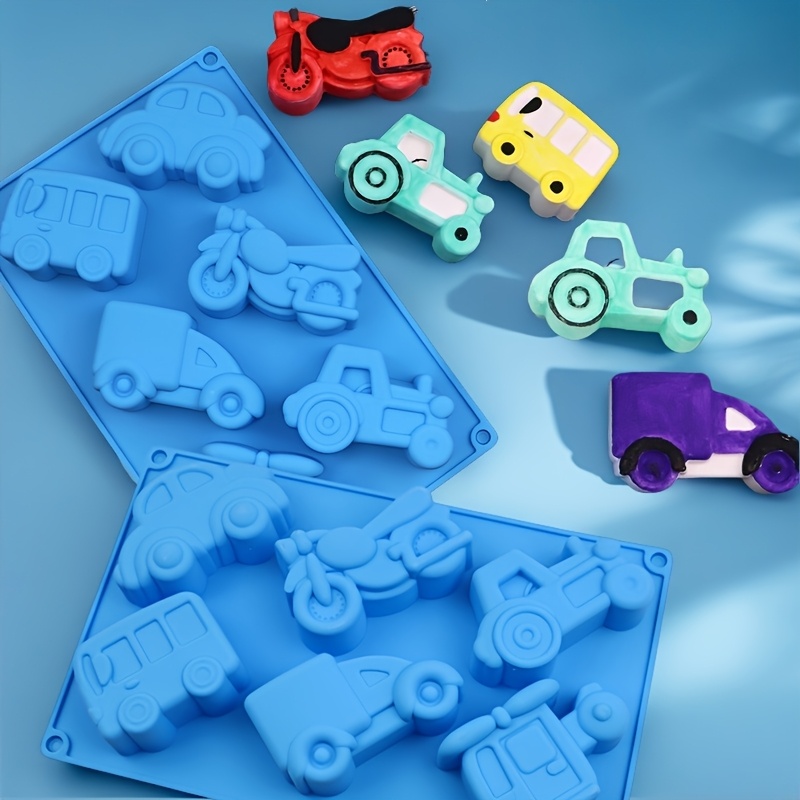
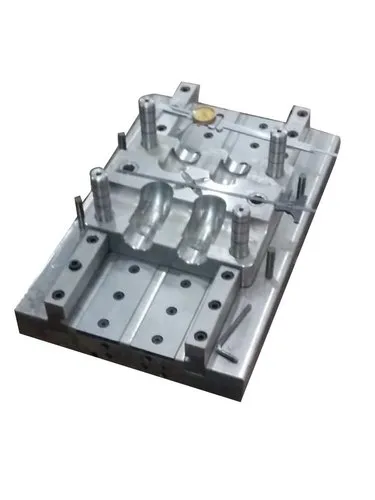
Moulds for classroom accessories and teaching aids are designed to support the mass production of durable, safe, and cost-effective educational products used in schools, training centers, and learning institutions. These moulds focus on high repeatability, child-safe designs, and long service life to meet the demands of large-scale educational supply programs.
Applications of Classroom Accessory Moulds
Injection moulds are widely used to manufacture a variety of classroom and educational products, including:
Whiteboard accessories (marker holders, erasers, pen trays)
Chalk boxes and duster holders
Geometry kits and mathematical teaching aids
Educational models and learning tools
Alphabet, number, and shape learning components
Classroom organizers, trays, and storage bins
Teaching aids for science and activity-based learning
Key Design Considerations
Mould design for classroom accessories prioritizes functionality, safety, and efficiency:
Child-Safe Geometry: Rounded edges and smooth surfaces to prevent injuries
Uniform Wall Thickness: Ensures consistent filling and minimizes warpage
High-Cavity Configurations: Enables high-volume production at low per-unit cost
Ease of Ejection: Optimized ejector pin placement to avoid marks on visible areas
Durability: Designed for repetitive use and long mould life
Materials Used
Common plastics selected for classroom accessories include:
Polypropylene (PP): Lightweight, durable, and cost-effective
ABS: Good impact resistance and surface finish
HDPE: Chemical-resistant and tough for storage products
HIPS: Suitable for colorful and visually appealing learning aids
All materials can be selected to comply with safety and non-toxicity standards for children.
Mould Construction and Tooling Features
Mould Steel: P20, EN31, or hardened tool steel for long production runs
Runner Systems: Cold runner or hot runner based on production volume
Textured or Polished Cavities: For grip, aesthetics, or easy cleaning
Interchangeable Inserts: Allows design variations with minimal tooling changes
Efficient Cooling Layout: Reduces cycle time and improves part quality
Quality and Safety Compliance
Moulds are designed to produce parts that comply with:
Educational product safety standards
Non-toxic and eco-friendly material requirements
Consistent dimensional accuracy for reliable assembly
Advantages of High-Quality Classroom Accessory Moulds
Cost-effective mass production
Long mould life with minimal maintenance
Consistent product quality and appearance
Reduced cycle time and production waste
Flexibility for different classroom product designs
Conclusion
Moulds for classroom accessories and teaching aids play a vital role in delivering reliable, safe, and affordable educational products. With optimized design, suitable material selection, and robust tooling, these moulds ensure efficient production while meeting the functional and safety needs of modern learning environments.