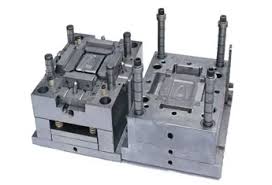
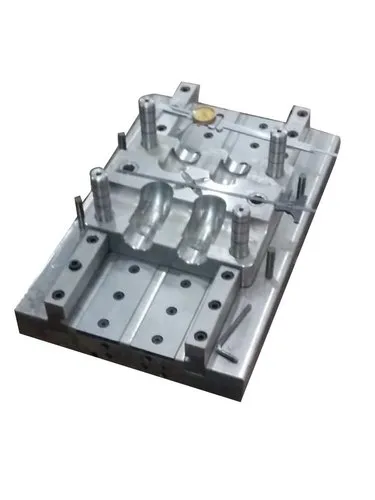
Diagnostic device components demand the highest standards of precision, cleanliness, and consistency, as they play a critical role in accurate medical testing and patient diagnosis. Injection moulds used for diagnostic devices are engineered to produce defect-free, dimensionally stable, and contamination-free plastic components that meet stringent medical and regulatory requirements.
Overview of Diagnostic Device Moulding
Diagnostic devices include components used in blood testing, urine analysis, molecular diagnostics, immunoassay systems, and point-of-care testing equipment. These parts often feature complex geometries, micro-sized features, thin walls, and tight tolerances. Moulds designed for diagnostic components must support high-volume production while maintaining repeatable accuracy and surface quality.
Key Diagnostic Components Produced by Moulds
Sample collection tubes and caps
Test cartridges and cassettes
Microfluidic chips and lab-on-chip components
Pipette tips and droppers
Reaction chambers and cuvettes
Diagnostic housings and sensor covers
Precision and Tolerance Requirements
Diagnostic moulds are built to achieve extremely tight tolerances, often within ±0.01 mm or better. Precision in mould design ensures proper fluid flow, accurate reagent measurement, leak-free sealing, and reliable device performance. Advanced CNC machining, EDM, and micro-machining techniques are commonly employed to meet these requirements.
Material Compatibility
Medical-grade plastics used in diagnostic devices must be biocompatible, chemically resistant, and capable of maintaining stability under sterilization processes. Commonly used materials include:
Polypropylene (PP)
Polycarbonate (PC)
Polystyrene (PS)
Cyclic Olefin Copolymer (COC)
Cyclic Olefin Polymer (COP)
Moulds are designed to accommodate the flow, shrinkage, and thermal characteristics of these materials while preserving optical clarity and dimensional accuracy.
Cleanroom and Contamination Control
Diagnostic component moulds are typically used in cleanroom injection moulding environments. Mould designs incorporate features that minimize particle generation, such as polished cavities, reduced ejector contact, and optimized venting. This ensures compliance with ISO 13485 and cleanroom class requirements.
Surface Finish and Optical Clarity
Many diagnostic components require high-quality surface finishes for optical transparency and accurate visual or sensor-based readings. Mirror-polished cavities and controlled textures help achieve clarity, prevent sample adhesion, and ensure consistent test results.
Multi-Cavity and High-Volume Production
To meet large-scale diagnostic testing demands, moulds are often designed with multiple cavities and hot runner systems. Balanced runner layouts ensure uniform filling across all cavities, reducing cycle time, material waste, and part-to-part variation.
Validation and Regulatory Compliance
Moulds for diagnostic devices must support process validation and documentation required by regulatory authorities. This includes IQ, OQ, and PQ validation, traceability of mould materials, and repeatable performance over long production runs.
Advantages of High-Quality Diagnostic Moulds
Consistent and reliable part quality
Reduced risk of contamination or defects
Enhanced device accuracy and performance
Long mould life with minimal maintenance
Compliance with international medical standards
Applications
In-vitro diagnostic (IVD) equipment
Point-of-care testing devices
Laboratory automation systems
Hospital and clinical diagnostic kits
Home diagnostic and rapid test devices
Conclusion
Moulds for diagnostic device components are a critical foundation of modern healthcare diagnostics. By combining precision engineering, medical-grade materials, cleanroom compatibility, and regulatory compliance, these moulds enable the mass production of reliable and high-performance diagnostic components that support accurate and timely medical decisions.