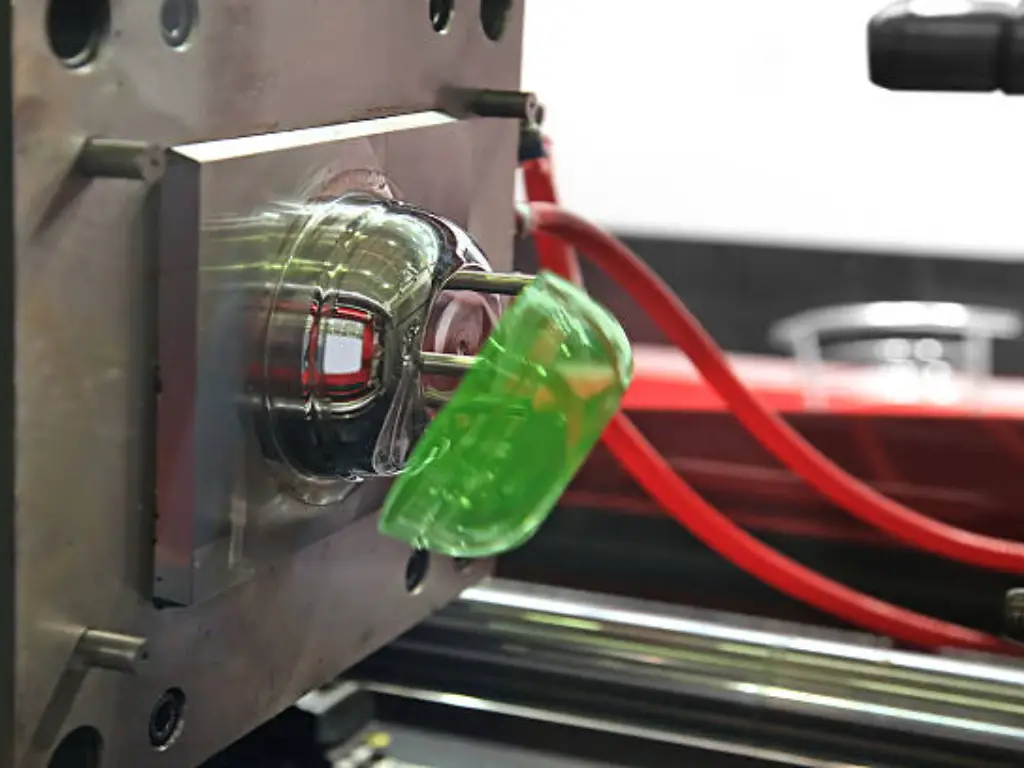
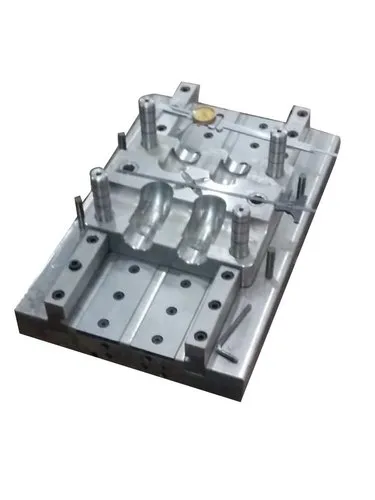
Medical injection moulding is a highly precise manufacturing process used to produce critical components such as syringes, IV parts, diagnostic devices, and surgical instruments. Since these products directly impact patient safety, defect prevention is essential to ensure compliance with stringent regulatory standards and to maintain product reliability and consistency.
Common Defects in Medical Injection Moulding
Understanding typical defects is the first step toward prevention:
- Short Shots – Incomplete filling of the mould cavity
- Flash – Excess material at parting lines
- Sink Marks – Depressions due to uneven cooling
- Warpage – Distortion caused by internal stresses
- Burn Marks – Discoloration due to trapped air or overheating
- Contamination – Presence of foreign particles or impurities
- Voids – Air pockets inside the component
Key Strategies for Defect Prevention
1. Optimized Mould Design
- Ensure proper gate design and location for uniform material flow
- Maintain adequate venting to avoid air traps and burn marks
- Use uniform wall thickness to reduce sink marks and warpage
- Incorporate proper cooling channels for consistent temperature control
2. Material Selection and Handling
- Use medical-grade polymers compliant with regulatory standards
- Ensure proper drying of hygroscopic materials (e.g., ABS, Nylon)
- Prevent contamination through controlled storage and handling
- Maintain traceability of raw materials
3. Process Parameter Control
- Optimize injection pressure, temperature, and speed
- Maintain consistent cycle times
- Use scientific moulding techniques to establish process windows
- Monitor parameters using real-time systems
4. Cleanroom Manufacturing
- Conduct moulding in controlled cleanroom environments (ISO Class 7 or 8)
- Minimize particulate contamination
- Ensure proper gowning and hygiene practices
- Regularly clean equipment and moulds
5. Tool Maintenance and Inspection
- Perform regular preventive maintenance of moulds
- Inspect cavities, cores, and vents for wear or damage
- Ensure proper alignment and clamping
- Use high-quality tool steels and surface coatings
6. Automation and Robotics
- Use robotic part handling to reduce human contact
- Automate processes like part removal, inspection, and packaging
- Improve consistency and reduce contamination risks
7. In-Process Quality Monitoring
- Use sensors for pressure, temperature, and cavity fill
- Implement Statistical Process Control (SPC)
- Conduct regular sampling and inspection
- Use vision systems for defect detection
8. Validation and Documentation
- Perform Installation Qualification (IQ), Operational Qualification (OQ), and Performance Qualification (PQ)
- Maintain detailed documentation for traceability
- Follow Good Manufacturing Practices (GMP)
- Ensure compliance with standards like ISO 13485
Advanced Techniques for Defect Prevention
- Mold Flow Analysis (Simulation) – Predicts defects before manufacturing
- Scientific Moulding (Decoupled Moulding) – Ensures stable processing
- Hot Runner Systems – Improve flow consistency and reduce waste
- Cavity Pressure Monitoring – Provides real-time quality feedback
Benefits of Effective Defect Prevention
- Improved product quality and reliability
- Reduced scrap and rework costs
- Enhanced compliance with medical regulations
- Increased production efficiency
- Better customer satisfaction and trust
Conclusion
Defect prevention in medical injection moulding is a combination of precise design, controlled processing, strict cleanliness, and continuous monitoring. By adopting a proactive and systematic approach, manufacturers can ensure high-quality, safe, and compliant medical components while minimizing production risks.