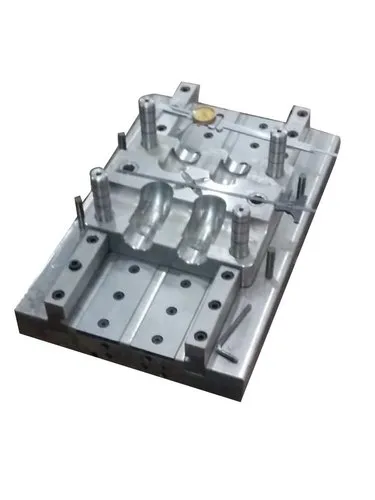
Moulds for educational toys and learning kits play a crucial role in producing safe, durable, and engaging products that support cognitive and physical development. These moulds are designed to manufacture items such as building blocks, puzzles, counting tools, science kits, and interactive learning aids used in schools and homes.
Key Requirements of Educational Toy Moulds
1. Safety and Compliance
- Must adhere to global safety standards such as:
- ASTM International (ASTM F963 for toy safety)
- European Committee for Standardization (EN71 standards)
- Use of non-toxic, BPA-free, and child-safe materials
- Rounded edges and smooth finishes to prevent injuries
2. Precision and Accuracy
- Tight tolerances ensure proper fit and function (especially for puzzles and building blocks)
- Consistency in dimensions for interchangeable parts
3. Durability
- Moulds must withstand high production volumes
- Use of hardened tool steels for long lifecycle
- Resistance to wear and corrosion
4. Aesthetic and Functional Design
- Bright colors and attractive shapes for engagement
- Incorporation of textures, letters, numbers, and patterns
- Multi-functional features for interactive learning
Types of Educational Toy Moulds
1. Building Block Moulds
- Used for interlocking blocks (similar to LEGO-style systems)
- Requires extremely high precision for perfect fitting
2. Puzzle Moulds
- Includes jigsaw puzzles, shape sorters, and 3D puzzles
- Focus on accuracy and smooth edge finishing
3. STEM Kit Moulds
- Components for science, technology, engineering, and math kits
- Includes gears, connectors, and experiment tools
4. Montessori Learning Tools
- Designed for hands-on learning (e.g., counting beads, stacking rings)
- Emphasis on simplicity and functionality
5. Alphabet and Number Moulds
- Used to produce letters and numbers for early education
- Often includes embossing or engraving features
Materials Used in Mould Manufacturing
- P20 Steel: Suitable for medium production volumes
- H13 Steel: High strength and thermal resistance
- Stainless Steel: Preferred for corrosion resistance and hygiene
- Aluminum Moulds: Used for prototyping and low-volume production
Design Considerations
1. Ergonomics
- Child-friendly shapes and sizes
- Easy to grip and handle
2. Multi-Cavity Design
- Enables mass production of multiple parts in one cycle
- Improves productivity and cost efficiency
3. Surface Finish
- Polished surfaces for smooth touch
- Textured finishes for grip and visual appeal
4. Color Compatibility
- Designed for multi-color injection moulding
- Supports vibrant and long-lasting colors
Manufacturing Process
- Concept Design & CAD Modeling
- Mould Flow Analysis
- Tool Steel Selection
- CNC Machining & EDM
- Polishing & Surface Treatment
- Trial Runs & Validation
- Mass Production
Quality Control and Testing
- Dimensional inspection using precision instruments
- Drop and impact testing for durability
- Toxicity and material safety checks
- Fit and functionality testing (especially for interlocking parts)
Advantages of High-Quality Moulds
- Consistent product quality
- Reduced defect rates
- Enhanced child safety
- Longer mould life and lower maintenance costs
- Better brand reputation in educational markets
Challenges in Educational Toy Moulding
- Maintaining tight tolerances for small parts
- Ensuring safety compliance across different countries
- Managing complex designs with multiple components
- Avoiding defects like flash, warpage, and shrinkage
Future Trends
- Integration of smart features (electronics-ready moulds)
- Eco-friendly and biodegradable materials
- Customizable and modular toy designs
- Increased use of automation and robotics in production
Conclusion
Moulds for educational toys and learning kits are vital in shaping safe, innovative, and engaging products for children. With a strong focus on precision, safety, and durability, these moulds enable manufacturers to produce high-quality learning tools that contribute to early childhood development and education.